










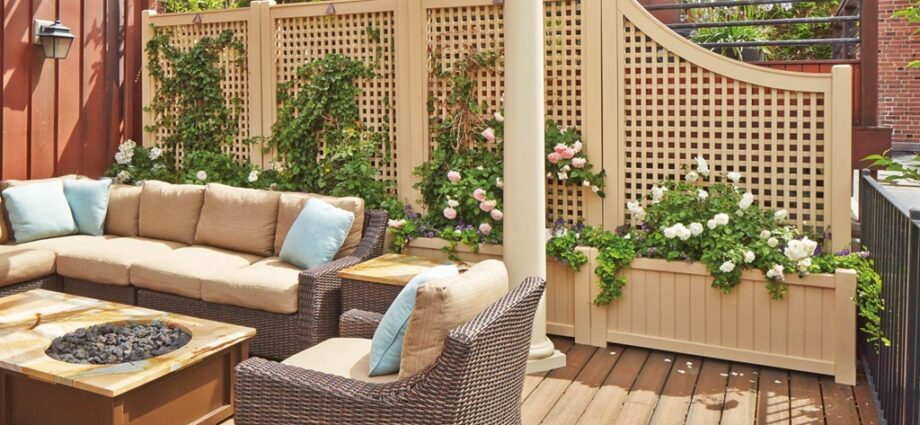
Lattice fences, once relegated to simple garden trellises, have blossomed into a versatile and aesthetically pleasing fencing solution for homeowners seeking to enhance privacy, security, and curb appeal. Their intricate grid patterns, offering a blend of openness and enclosure, provide a unique charm that distinguishes them from solid fence panels. This article delves into the diverse world of lattice fences, exploring the various types, materials, designs, and considerations for choosing the perfect option for your property.
Understanding the Essence of Lattice: More Than Just a Grid
At its core, a lattice fence is defined by its crisscrossing framework, creating a grid-like pattern that allows for partial visibility and airflow. This fundamental structure lends itself to a wide array of applications, from defining garden borders and creating privacy screens to adding decorative accents to decks and patios. The openness of the lattice design distinguishes it from solid fencing, offering a lighter, airier feel while still providing a sense of enclosure. It can soften harsh lines and create a transition between the built environment and the natural landscape.
Types of Lattice Fences Based on Material:
The choice of material plays a crucial role in the durability, aesthetics, and maintenance requirements of a lattice fence.
Here are the most common materials used:
Wood Lattice Fences:
-
- This is the classic and most popular option, offering natural beauty and versatility. Wood lattice fences can be constructed from various wood species, including cedar, redwood, pine, and pressure-treated lumber.
- Cedar: Known for its natural resistance to rot and insects, cedar is a premium choice for outdoor applications. Its rich color and pleasant aroma add to its appeal.
- Pressure-treated Pine: This is a more affordable option that has been chemically treated to resist decay. It requires regular sealing or staining to maintain its appearance and prolong its lifespan.
- Wood lattice fences offer a timeless aesthetic and can be stained or painted to match any style. However, they require regular maintenance to prevent warping, rotting, and insect infestation.
Vinyl Lattice Fences:
-
- Vinyl lattice fences are a low-maintenance alternative to wood, offering exceptional durability and resistance to weathering, rot, and insects.
- They are available in a wide range of colors and styles, mimicking the look of wood without the need for painting or staining.
- Vinyl lattice fences are easy to clean and maintain, requiring only occasional washing with soap and water.
- They are a long-lasting and cost-effective option for homeowners seeking a durable and hassle-free fencing solution.
Composite Lattice Fences:
-
- Composite lattice fences are made from a blend of wood fibers and recycled plastic, combining the natural beauty of wood with the durability and low maintenance of plastic.
- They are resistant to rot, insects, and fading, making them an excellent choice for areas with harsh weather conditions.
- Composite lattice fences offer a sustainable and eco-friendly alternative to traditional wood fencing.
Metal Lattice Fences:
-
- metal lattice fences offer a modern and strong design. Often built with aluminum or wrought iron, those types of fences offer unique styles that can not be obtained with other materials.
- These can be designed to provide extremely ornate styles that are very stylish.
- Metal fence costs are usually far higher than wood or vinyl fences.
Variations in Lattice Design:
Beyond material, lattice fences offer a diverse range of design options, including:
- Square Lattice:
- This is the most common lattice pattern, featuring a grid of evenly spaced squares.
- It offers a clean and classic look that complements a variety of architectural styles.
- Diagonal Lattice:
- This pattern features a grid of diagonal lines, creating a more dynamic and visually interesting design.
- It adds a touch of modern flair to any outdoor space.
- Privacy Lattice:
- Designed to provide maximum privacy, this type of lattice features closely spaced slats or smaller grid openings.
- It effectively blocks views while still allowing for some airflow and natural light.
- Decorative Lattice:
- This category encompasses a wide range of custom designs, including curved lines, intricate patterns, and unique shapes.
- It allows homeowners to create a truly personalized fencing solution that reflects their individual style.
- Lattice Toppers:
- Lattice toppers are panels placed above a solid fence. They provide added style and often increase privacy.
Related: How Tall Are Garden Fences
Factors to Consider When Choosing a Lattice Fence:

When selecting a lattice fence, it’s essential to consider the following factors:
- Privacy Needs:
- Determine the level of privacy required for your property. Privacy lattice or closely spaced designs are ideal for blocking views.
- Style and Aesthetics:
- Choose a lattice design and material that complements your home’s architectural style and existing landscaping.
- Durability and Maintenance:
- Consider the climate and weather conditions in your area when selecting a material. Vinyl and composite are low-maintenance options, while wood requires regular upkeep.
- Budget:
- Lattice fences vary in price depending on the material, design, and size. Set a budget before you begin shopping to avoid overspending.
- Installation:
- Determine whether you will install the fence yourself or hire a professional. DIY installation can save money, but professional installation ensures proper construction and longevity.
People Also Ask (FAQs):
- Q: Do lattice fences provide privacy?
- A: It depends on the design. Privacy lattice with closely spaced slats or small grid openings offers excellent privacy. Standard square or diagonal lattice provides partial privacy.
- Q: How much does a lattice fence cost?
- A: The cost varies depending on the material, design, and size. Wood lattice is generally the most affordable, while vinyl and composite are mid-range options. Metal is the most expensive.
- Q: Can I paint or stain a vinyl lattice fence?
- A: Vinyl fences are designed to not require painting or staining. However, paint made for vinyl materials can be used.
- Q: How do I maintain a lattice fence?
- A: Wood lattice requires regular sealing or staining to prevent rot and decay. Vinyl and composite are low-maintenance and can be cleaned with soap and water.
- Q: Can lattice fences be used for garden trellises?
- A: Yes, lattice fences are commonly used as garden trellises for climbing plants and vines.
- Q: Are lattice fences easy to install?
- A: Yes, Lattice fences are generally easy to install. However, the installation complexity will depend on the ground conditions and fence size.
- Q: Does the pattern of the lattice weave directly influence the level of privacy in a lattice fence?
- A: Yes, the pattern of the lattice weave is a primary factor in determining privacy. Closer weaves and smaller gaps equal higher privacy.
Related: Transform Your Backyard: Crafting an Inviting and Functional Outdoor Living Space
Conclusion:
Lattice fences offers a versatile and aesthetically pleasing fencing solution for homeowners seeking to enhance privacy, security, and curb appeal. With a wide range of materials, designs, and privacy options available, you can find the perfect lattice fence to complement your home and landscape. By carefully considering your needs and preferences, you can create a beautiful and functional outdoor space that you and your family will enjoy for years to come. From simple garden dividers to ornate privacy screens, lattice fencing can fulfill any need.