





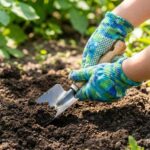
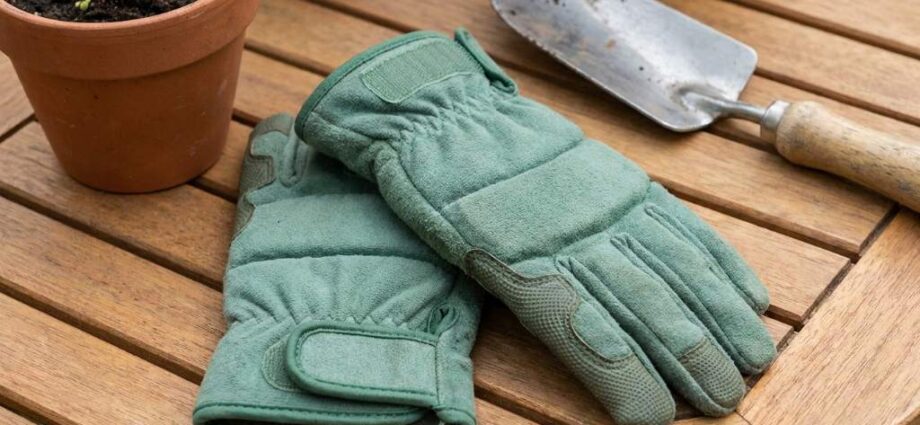
Compression style gloves with padded palms, soft stretch fabric, and no hard seams work best for arthritis. These features reduce joint strain and prevent irritation during repetitive gripping. A snug, flexible fit matters more here than puncture resistance or heavy duty materials.
Joint pain and reduced grip strength change what actually matters in a glove. Standard pairs built for puncture resistance often ignore comfort entirely.
This guide covers the specific features that ease strain, which designs to avoid, and how to balance protection with comfort for sensitive hands. A thoughtful choice here can make gardening possible again on difficult days.
Why Standard Gloves Often Fail Sensitive Hands
Most gardening gloves prioritize durability and puncture resistance over comfort for joint conditions. Stiff leather and hard seams press directly against swollen or sensitive knuckles.
Tight-fitting cuffs can also restrict circulation, which worsens stiffness during longer sessions. Choosing a glove without considering these factors often leads to pain that ends a gardening session early.
Features That Reduce Strain
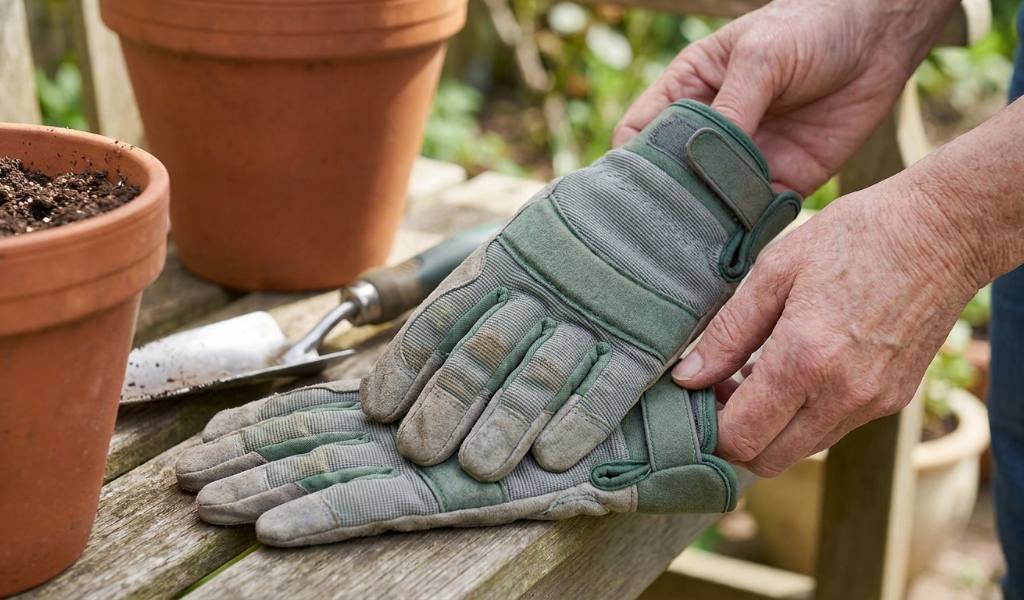
A few specific design choices make the biggest difference for arthritis and sensitive hands.
Compression Fit
A gentle compression fit supports joints without restricting movement entirely. This light pressure can ease some of the discomfort associated with repetitive gripping motions.
Padded Palms
Extra padding across the palm absorbs pressure from tool handles during digging or raking. This cushioning reduces direct impact on joints that flare easily.
Lightweight Materials
Heavy leather adds strain simply through its own weight during extended wear. Lightweight synthetic blends reduce overall hand fatigue across a longer gardening session.
Seamless Or Flat Seam Construction
Hard seams rub against sensitive skin and swollen joints repeatedly during use. Flat or seamless construction removes this friction point entirely.
Easy On And Off Designs For Limited Dexterity
Gloves requiring a tight pull or complicated closure frustrate hands with limited dexterity. Look for a wide opening with soft, stretchy material that slides on without much effort.
Hook and loop closures work better than small buttons or tight elastic bands for anyone with reduced finger strength. A simple design here removes an unnecessary daily obstacle.
Gloves To Avoid
A few common designs make symptoms worse rather than better for sensitive hands.
Stiff, unbroken leather: resists flexing and forces joints to work harder than necessary during grip.
Tight elastic cuffs: can restrict circulation and increase stiffness over a long session.
Heavily textured grip palms: sometimes create pressure points that aggravate sensitive skin or swollen joints.
Oversized gloves: reduce control and force extra gripping effort to compensate for the loose fit.
Choosing Between Compression And Standard Fit
Compression style gloves suit gardeners seeking joint support during active tasks like digging or weeding. Standard fit gloves with simple padding suit those who find compression uncomfortable or restrictive.
Testing both styles, when possible, helps identify which approach actually eases your specific discomfort rather than guessing from a product description alone.
Pairing Gloves With Ergonomic Garden Tools
Among gardeners managing joint pain, pairing gardening gloves with ergonomic, cushioned tool handles often brings more relief than gloves alone.
Lightweight tools with larger, padded grips reduce the force your hands need to apply during repetitive tasks. This combination addresses strain from both directions, the tool and the glove itself.
Raised garden beds also reduce the bending and kneeling that often accompanies hand strain during longer sessions.
Caring For Compression And Stretch Fabric Gloves
Most stretch fabric and compression gloves tolerate a gentle hand wash with mild soap. Avoid wringing the fabric forcefully, since this can stretch out the compression fit over time.
Air dry flat rather than hanging, which helps the gloves maintain their original shape and support across repeated washes.
Frequently Asked Questions
Do Compression Gloves Actually Help With Gardening Tasks?
Many users find compression support reduces discomfort during repetitive gripping, though comfort levels vary by individual.
What Material Is Gentlest On Sensitive Skin?
Soft stretch fabric without hard seams tends to cause the least irritation for sensitive skin and joints.
Should I Avoid Leather Gloves Entirely With Arthritis?
Not necessarily, since softer, well broken in leather can still work if seams and fit feel comfortable.
Are Padded Palm Gloves Good For All Garden Tasks?
They suit most hand intensive tasks well, though very detailed work may benefit from thinner padding instead.
How Do I Know If A Glove Is Too Tight For Sensitive Hands?
Watch for numbness, tingling, or visible indentations after wear, which signal the fit is too restrictive.
Final Thoughts
Gardening should not require pushing through unnecessary hand pain. Compression support, padded palms, and seamless construction let sensitive hands stay active in the garden comfortably.
Try on a few styles before committing to one pair, since comfort varies noticeably between designs. The right glove keeps gardening enjoyable rather than something to dread.