




HVAC efficiency ratings show how much heating or cooling equipment delivers per unit of energy. SEER2, EER2, and HSPF2 rate electric cooling and heat pump heating. AFUE instead rates furnaces that burn fuel.
However, the numbers only compare equipment under controlled laboratory test conditions. Additionally, real homes add duct losses, sizing errors, and installation flaws. Therefore, ratings work best as a starting point for understanding equipment. Still, homeowners who decode each label gain clearer expectations about energy use. Additionally, an hvac contractor can measure airflow and refrigerant charge during a careful installation.
For example, one rating covers a full cooling season. Another rating instead checks one fixed hot afternoon condition. In practice, each rating answers a different question about performance.
The Four HVAC Efficiency Ratings in Plain Language

Each rating matches one fuel type and one job. Electric cooling, electric heating, and fuel heating each behave differently. Therefore, no single number describes every system in every home.
SEER2 for Seasonal Cooling
SEER2 measures total seasonal cooling output in Btu across a cooling season. It then divides that output by total electricity used in watt-hours. Therefore, a higher SEER2 value means more cooling per unit of electricity. For example, SEER2 covers air conditioners and the cooling mode of heat pumps.
EER2 for One Hot Condition
EER2 measures cooling efficiency at one fixed hot outdoor condition. In contrast, SEER2 averages performance across changing seasonal temperatures. EER2 therefore helps reveal how equipment behaves during intense summer heat. Additionally, utilities and regulators value that fixed snapshot during heat waves.
HSPF2 for Heat Pump Heating
HSPF2 measures a heat pump’s total seasonal heating output each winter. It divides that output by the electricity the system consumes seasonally. As a result, higher HSPF2 values signal stronger heating efficiency overall. Still, HSPF2 applies only to heat pumps, never to furnaces.
AFUE for Fuel-Burning Furnaces
AFUE states the share of fuel energy that becomes usable heat. A furnace at 80 percent AFUE converts most fuel into warmth. The remaining share instead escapes through venting and system losses. Meanwhile, condensing models reach 90 percent and above through extra heat recovery. Together, these HVAC efficiency ratings describe cooling, heating, and fuel performance.
Why HVAC Efficiency Ratings Moved to SEER2
The DOE replaced SEER, EER, and HSPF in January 2023. The new SEER2, EER2, and HSPF2 names reflect an updated method. That method, called M1, raises external static pressure during testing. As a result, the test mimics resistance inside real home ductwork.
However, higher test pressure makes equipment work harder on paper. Therefore, the new ratings usually read lower than old ratings. For example, a model rated 15 SEER roughly equals 14.3 SEER2. In practice, that lower number can describe exactly equal equipment.
Older nameplates and manuals may still show the original ratings. Meanwhile, current labels list only the newer rating names. Homeowners therefore compare models carefully across the two scales. In contrast, mixing scales creates misleading conclusions about efficiency.
Current Federal Minimum HVAC Efficiency Ratings
Federal minimums set the lowest ratings that new equipment must meet. However, the required values change by equipment type and region. Additionally, heat pumps follow one national standard across all regions.
- Northern air conditioners: Split systems under 45,000 Btuh need at least 13.4 SEER2.
- Southeast and Southwest air conditioners: Split systems in those regions need at least 14.3 SEER2.
- Heat pumps nationwide: Split heat pumps need at least 14.3 SEER2 and 7.5 HSPF2.
- Southwest EER2 rule: Many smaller systems there also need at least 11.7 EER2.
- Gas furnaces: Most new models need at least 80 percent AFUE.
These minimums describe legal baselines, not typical performance levels. Many models exceed the minimums by several rating points. However, regional rules still reflect climate differences across the country.
Reading HVAC Efficiency Ratings on EnergyGuide Labels
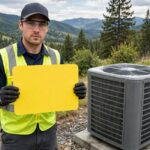
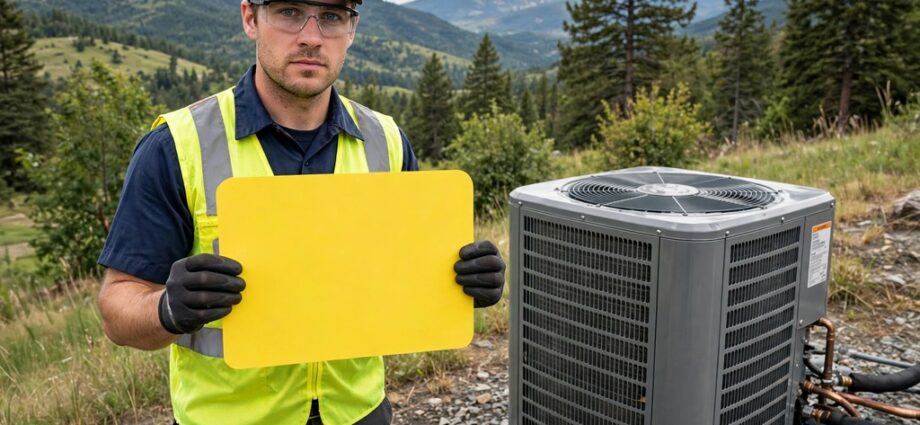
The yellow EnergyGuide label appears on equipment and its packaging. It lists the model’s rating in large, clear print. Additionally, the label shows a comparison range for similar models. Therefore, readers can see where one model falls within that range.
Next, check whether the label shows SEER2 or older SEER values. Older documents may still carry the previous rating scale instead. Similarly, a heat pump label lists both SEER2 and HSPF2. Finally, the label never describes a specific home or installation.
For example, a heat pump vs furnace comparison shows ratings side by side clearly. That view also highlights how AFUE and HSPF2 measure different machines.
What HVAC Efficiency Ratings Cannot Tell You
Ratings assume correct sizing, yet many homes carry oversized equipment. Oversized systems cycle briefly and leave humidity behind after cooling. Undersized systems instead run constantly and still miss comfort targets. Therefore, sizing errors can erase an otherwise strong rating.
Duct condition also shapes real performance in every home. Leaky ducts lose cooled or heated air before rooms receive it. Blocked ducts similarly strain airflow and reduce delivered comfort. As a result, laboratory ratings never capture those hidden losses.
Installation quality matters just as much as the rating itself. However, poor installation leaves even efficient equipment performing below its rating. Over time, those small flaws raise energy costs noticeably.
Controls also influence how closely homes match laboratory expectations. Similarly, a smart thermostat hvac setup can reduce wasted runtime between cycles. Still, no control fixes poor sizing or damaged ductwork.
Maintenance habits also protect rated performance over time. Dirty filters restrict airflow and force longer system runtime. Clean coils similarly help equipment exchange heat more effectively. Finally, routine inspections catch small faults before performance drops further.
Frequently Asked Questions
What is a good SEER2 rating for a home?
Additionally, ratings above the federal minimum indicate stronger efficiency under standard tests.
How is SEER2 different from SEER?
SEER2 uses the M1 test, which applies higher external static pressure.
What does AFUE mean on a furnace?
AFUE shows the share of fuel energy converted into seasonal heat.
Why do heat pumps have two ratings?
Heat pumps cool and heat, so SEER2 and HSPF2 cover both.
Can a high rating guarantee lower energy costs?
However, sizing, ducts, and installation quality still shape actual energy use.
Conclusion
Efficiency ratings translate laboratory testing into numbers homeowners can compare. However, SEER2, EER2, HSPF2, and AFUE each measure different equipment. Therefore, read every label with its equipment type in mind. Additionally, check sizing, ducts, and installation before trusting any rating.
Next, compare the EnergyGuide range whenever you review unfamiliar equipment. Finally, learn how each rating behaves across seasons and conditions. In practice, informed readers interpret ratings as guidance, never guarantees. Overall, HVAC efficiency ratings guide comparisons but never replace proper sizing. In practice, HVAC efficiency ratings matter most alongside installation quality.