



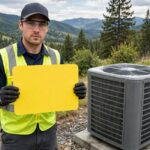

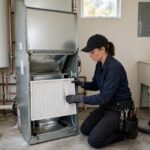
An HVAC contractor installs, maintains, and repairs home heating and cooling systems. They also design airflow, select equipment, and check safe operation. Homeowners use a hvac maintenance checklist to track routine care tasks.
Additionally, this guide explains system types, efficiency, and indoor comfort basics. Heating, cooling, and ventilation work together during every season. For example, ducts move conditioned air while controls manage temperature. Meanwhile, filters and vents support cleaner airflow throughout the home.
Contractors follow licensing rules and technical training for each task. Therefore, informed homeowners understand systems before problems grow larger. In practice, simple knowledge helps families maintain comfort and safety. Also, clear explanations build confidence during maintenance and repair decisions.
What HVAC Means and How Residential Systems Work
HVAC stands for heating, ventilation, and air conditioning. Additionally, each part supports comfort, airflow, and indoor air quality. Heating warms rooms during cold weather and cold snaps. Cooling also removes heat and humidity during warm weather.
A heating system also generates warmth or moves warmth indoors. For example, furnaces burn fuel or use electric resistance heat. Heat pumps move existing heat instead of creating it. Therefore, heat pumps often use less electricity for heating.
An air conditioner also moves indoor heat to outdoor air. Refrigerant circulates through coils and also absorbs indoor heat. Next, a compressor raises refrigerant pressure and temperature. Finally, an outdoor fan releases heat outside the home.
Ventilation also exchanges stale indoor air with fresh outdoor air. Additionally, ventilation dilutes odors, moisture, and indoor pollutants. Some systems use ducts and fans for whole home ventilation. Others use exhaust fans in kitchens and bathrooms only.
A thermostat also senses indoor temperature and signals the system. The system then heats, cools, or simply moves air. Also, blowers push conditioned air through supply ducts. Return ducts bring room air back for conditioning again.
Heating and cooling cycles also repeat throughout the day. However, long cycles and short cycles signal different problems. Steady cycles usually indicate balanced equipment and airflow. In contrast, rapid cycling wastes energy and stresses parts.
Comfort also depends on humidity and air movement. Dry air irritates skin, throats, and wooden furniture. Humid air feels heavy and encourages mold growth. Therefore, balanced humidity supports comfort and health together.
System size strongly influences comfort and efficiency. Oversized equipment cycles briefly and removes little humidity. Undersized equipment runs constantly and struggles during extremes. In practice, proper sizing matters more than raw power.
Homeowners sometimes notice weak cooling during extreme heat. Warm rooms, weak airflow, and ice indicate possible faults. Similarly, a system blowing warm air needs prompt diagnosis. Guides on ac not cooling problems explain common causes clearly.
Sound also reveals useful clues about system health. Normal systems hum softly and start smoothly. However, grinding, rattling, or squealing sounds deserve attention. Homeowners should note new sounds and their timing.
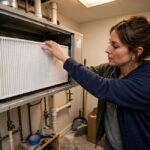
Over time, dust and wear reduce system performance. Filters also catch dust before dust coats indoor coils. Clean coils transfer heat far more effectively. As a result, basic care protects comfort and efficiency. A licensed HVAC contractor also sizes each system for the home it serves. In practice, an HVAC contractor checks airflow before recommending any equipment change.
Main Types of Residential HVAC Systems
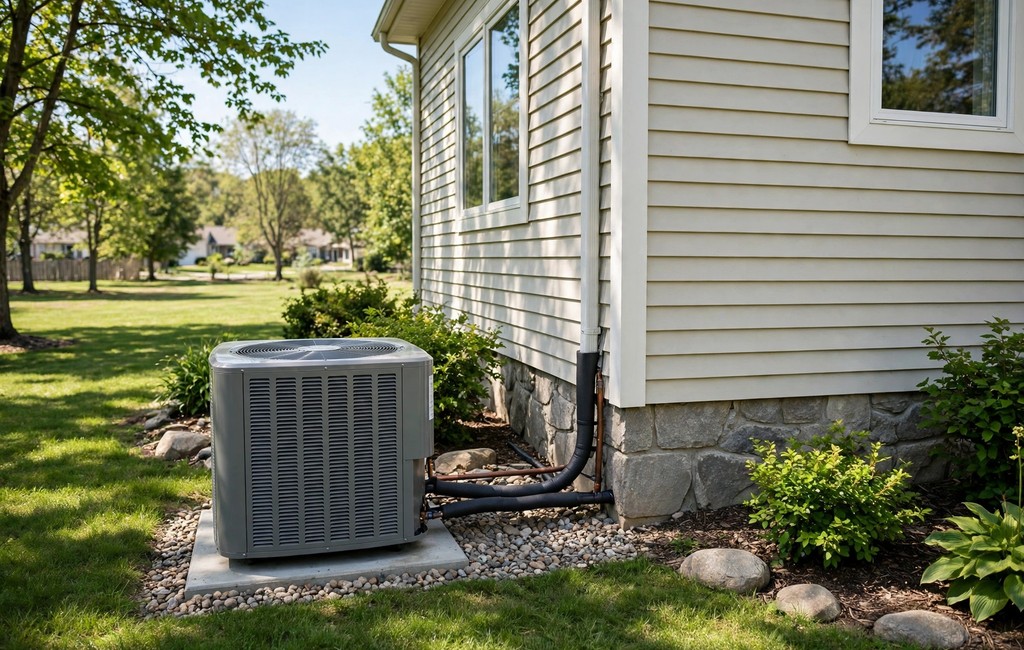
Homes use several system designs across different climates. Additionally, housing style and ductwork shape each choice. Some homes combine separate heating and cooling equipment. Other homes use one system for both functions.
A furnace plus central air conditioner remains common. The furnace heats air and shares a blower. Meanwhile, the air conditioner cools air through indoor coils. Both systems share ducts and one thermostat.
Gas furnaces also burn natural gas or propane. Electric furnaces use resistance coils for heat instead. Oil furnaces serve some older homes in colder regions. Each furnace type needs specific venting and maintenance.
Heat pumps provide heating and cooling in one system. They move heat rather than generating heat directly. Therefore, heat pumps can deliver more heat than electricity consumed. Cold climate models now perform better during freezing weather.
Homeowners often compare a heat pump vs furnace decision before replacing equipment. Climate, fuel access, and ducts influence that comparison. Also, backup heat supports heat pumps during extreme cold. Dual fuel systems pair heat pumps with gas furnaces.
Air source heat pumps also draw heat from outdoor air. Ground source heat pumps draw heat from the ground. In contrast, ground temperatures stay steadier than air temperatures. Each design suits different lots and budgets of space.
- Split systems: Separate indoor and outdoor units share refrigerant lines and ducts.
- Packaged units: One outdoor cabinet contains heating, cooling, and blower components together.
- Ductless systems: Wall mounted indoor units condition individual rooms without ducts.
- Hybrid systems: Paired equipment switches between electric and fuel heat automatically.
Packaged units also place all major components outdoors. Rooftops and ground pads commonly support packaged units. Additionally, packaged units suit homes lacking indoor equipment space. Technicians access every component from one cabinet location.
Ductless systems serve additions, garages, and older homes. Each indoor unit conditions one zone or room. A ductless mini split system connects several indoor units outdoors. Occupants control each zone with separate temperature settings.
Zoning also improves comfort across large or multistory homes. Dampers direct air toward rooms needing conditioning most. Similarly, ductless zones avoid conditioning empty rooms. Proper design prevents pressure problems and noisy airflow.
Boilers also heat water and circulate warmth through radiators. Radiant floors distribute gentle heat across whole rooms. However, boilers provide heating without cooling capacity. Homeowners often pair boilers with separate cooling systems.
Window units and portable units cool single rooms. They suit temporary needs and very small spaces. Still, central systems deliver quieter, more even comfort. Whole home systems also filter air more effectively.
What an HVAC Contractor Does
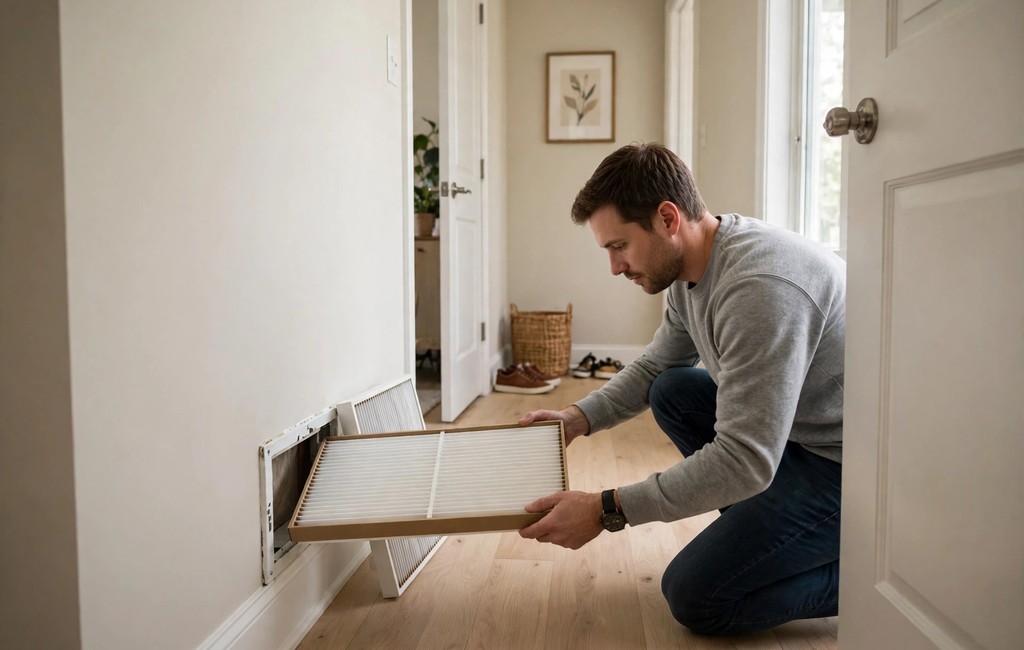
HVAC contractors install, service, repair, and design systems. Additionally, contractors evaluate homes before recommending any equipment. They measure rooms, inspect ducts, and review insulation. Accurate evaluation prevents sizing and airflow mistakes later.
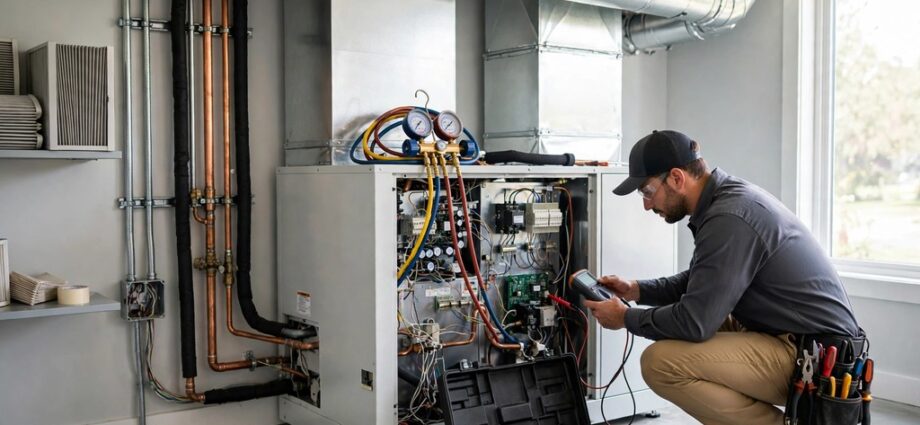
During installation work, contractors also mount and connect equipment. They run refrigerant lines, drains, wiring, and duct connections. Next, they test pressures, temperatures, and safety controls. Careful testing confirms safe and efficient operation.
During maintenance visits, contractors clean and inspect components. They check filters, coils, motors, belts, and electrical connections. Also, they lubricate moving parts where designs require lubrication. Small adjustments during visits prevent larger failures later.
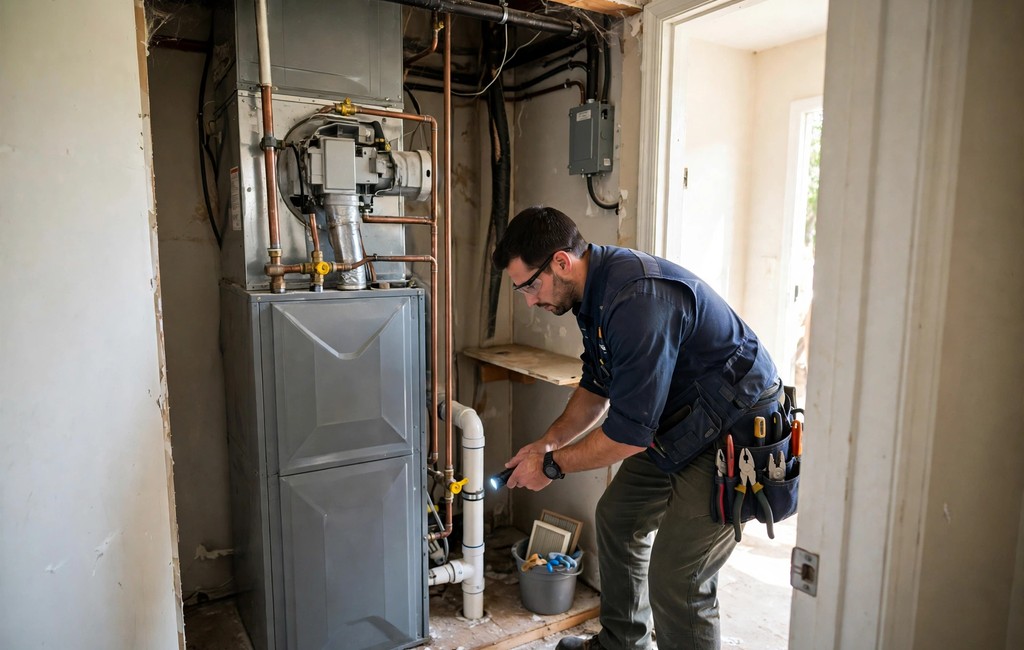
During repair work, contractors diagnose faults and replace parts. They test capacitors, motors, igniters, valves, and control boards. For example, a failed capacitor can stop a fan. Systematic testing separates real faults from misleading symptoms.
Refrigerant work demands special training and federal certification. Technicians check pressures and inspect lines for damage. Recognizing hvac refrigerant leak symptoms helps technicians locate leaks. Technicians then repair leaks and recharge systems correctly.
Contractors also design systems for new homes and additions. They calculate heating and cooling loads for each room. Load calculations also consider windows, insulation, orientation, and occupancy. Therefore, designs match equipment capacity to real demand.
Duct design forms another core contractor responsibility. Contractors size ducts for quiet and balanced airflow. They also seal joints and insulate exposed runs. Good duct design improves comfort in every room.
Contractors explain system operation to homeowners after work. They demonstrate thermostats, filters, shutoffs, and maintenance tasks. Additionally, they document model numbers and service history. Clear records support faster diagnosis during future visits.
Emergency repairs also form a smaller share of contractor work. Most work involves planned installations and scheduled maintenance. Meanwhile, seasonal demand peaks during heat waves and freezes. Planning ahead helps homeowners avoid peak season delays.
Contractors follow building codes and manufacturer instructions carefully. Codes govern venting, electrical work, and refrigerant handling. Manufacturers specify clearances, wiring, and startup procedures. In practice, compliance protects safety, warranties, and performance.
Some contractors specialize in residential work only. Others serve commercial buildings with larger rooftop systems. Similarly, some firms focus on specific equipment brands. Specialization builds deeper experience with particular system designs.
How an HVAC Contractor Handles Installation
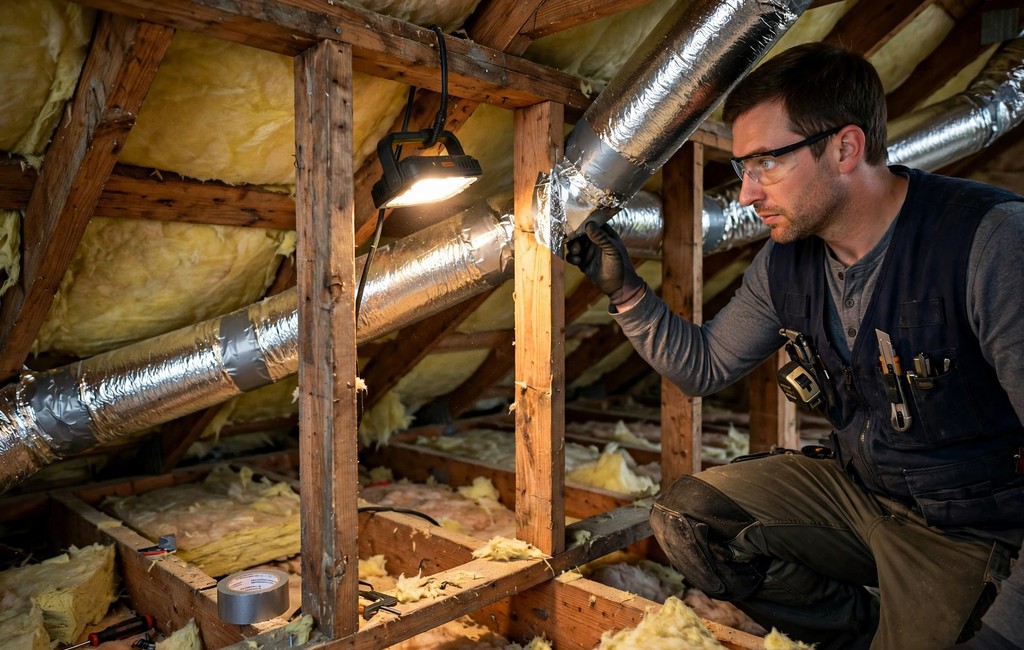
Installation also begins with evaluation and load calculation. Contractors measure the home and inspect existing ducts. Additionally, they review electrical capacity and equipment locations. This planning stage determines equipment size and configuration.
Crews then remove old equipment safely and responsibly. Technicians recover refrigerant from old systems before removal. Federal rules prohibit venting refrigerant into the air. Next, crews disconnect wiring, lines, and duct connections.
New equipment placement also requires level and stable support. Outdoor units need clearance for airflow and service access. Indoor units need drain access and filter access. Also, proper placement reduces vibration and operating noise.
Technicians connect refrigerant lines between indoor and outdoor units. They braze or flare joints and insulate suction lines. Careful joints prevent leaks and moisture contamination. Finally, technicians pressure test lines before charging them.
Electrical work connects power, controls, and safety switches. Technicians install disconnects and verify breaker sizes. They also wire thermostats and condensate safety switches. Correct wiring protects equipment and occupants alike.
Duct connections link equipment to the distribution system. Crews seal new joints and repair obvious leakage. Additionally, crews balance dampers for even room airflow. Balanced airflow prevents hot and cold spots.
Startup testing also verifies the complete installed system. Technicians measure temperatures, pressures, airflow, and voltage. They also confirm heating, cooling, and defrost modes. As a result, homeowners receive a verified working system.
Newer systems use lower impact refrigerants than older systems. Since January 2025, new systems use refrigerants below seven hundred GWP. Manufacturers mainly use R-454B and R-32 refrigerants now. Standards classify both refrigerants as A2L, mildly flammable.
Installers handle A2L refrigerants with updated tools and training. Meanwhile, existing R-410A systems remain serviceable and repairable. Technicians can still service older refrigerant systems normally. Homeowners need not replace working equipment over refrigerant changes.
A final walkthrough closes most installation projects. Contractors explain filters, thermostat settings, and warranty registration. They also point out shutoff switches and drain locations. In practice, this orientation prevents many avoidable problems. Before startup, the HVAC contractor verifies wiring, drainage, and refrigerant charge carefully. A careful HVAC contractor also registers warranties and explains basic operation afterward.
Why HVAC Contractor Maintenance Matters
Regular maintenance also keeps systems efficient, reliable, and safe. Additionally, maintenance catches small problems before failures occur. Dirty coils and clogged filters strain every component. Clean systems move air and transfer heat easily.
Filters also protect equipment and support cleaner indoor air. Homeowners ask how often to change hvac filter schedules for their homes. Most homes need fresh filters every one to three months. Pets, dust, and allergies shorten filter life noticeably.
- Filter checks: Inspect filters monthly and replace dirty filters promptly.
- Coil cleaning: Clean coils transfer heat efficiently and reduce strain.
- Drain clearing: Clear condensate drains prevent water damage and shutdowns.
- Electrical testing: Tight connections and tested parts prevent sudden failures.
- Airflow checks: Open vents and clean returns support balanced airflow.
Coil cleaning also strongly influences cooling and heating performance. Dust layers insulate coils and block heat transfer. Therefore, dirty coils raise energy use and runtime. Outdoor coils also collect leaves, grass, and dirt.
Condensate drains also remove moisture collected during cooling. Algae and debris clog drains over time. Clogged drains trigger safety switches and water leaks. Also, clear drains protect ceilings, walls, and floors.
Electrical inspections catch wear before components fail. Technicians tighten connections and test capacitors and relays. Loose connections overheat and damage motors and boards. In contrast, sound connections support reliable daily operation.
Moving parts benefit from inspection and adjustment. Blower wheels collect dust and lose balance slowly. Belts crack, stretch, and slip as they age. Next, technicians clean wheels and replace worn belts.
Maintenance also includes safety checks on heating equipment. Technicians inspect burners, heat exchangers, and venting systems. Cracked heat exchangers can leak dangerous combustion gases. Therefore, heating safety checks deserve priority every year.
Seasonal timing improves maintenance value for homeowners. Spring visits prepare cooling systems for summer heat. Fall visits prepare heating systems for winter cold. Similarly, off season scheduling offers more flexible appointments.
Records make maintenance more effective over time. Homeowners should log filter changes and service dates. Technicians compare current readings against earlier readings. As a result, trends reveal developing problems early.
Well maintained systems usually last longer overall. Reduced strain slows wear on motors and compressors. Additionally, efficient operation reduces monthly energy waste noticeably. Consistent care protects comfort during extreme weather. During each visit, an HVAC contractor cleans coils and tests safety controls. Regular records help your HVAC contractor spot gradual performance losses early.
How an HVAC Contractor Troubleshoots and Repairs
Troubleshooting still starts with the simplest possible causes. Homeowners first check thermostat settings and power switches. Additionally, they check breakers, filters, and vent positions. Many shutdowns trace back to simple overlooked settings.
Technicians follow a logical diagnostic sequence on site. They interview homeowners about symptoms and recent changes. Next, they observe a full heating or cooling cycle. Observation narrows possible causes before testing begins.
Meters and gauges also provide objective diagnostic evidence. Technicians measure voltage, current, temperatures, and refrigerant pressures. For example, temperature splits reveal airflow or refrigerant problems. Accurate readings guide repairs better than guesses.
Airflow problems cause many comfort complaints at home. Blocked filters, closed vents, and dirty blowers restrict airflow. Restricted airflow freezes coils and overheats furnaces. Therefore, technicians check airflow before condemning major components.
Noises also guide technicians toward specific failing parts. Squealing suggests belt or bearing problems in motors. Meanwhile, rattling suggests loose panels or debris nearby. Buzzing often indicates electrical contactor or capacitor trouble.
Short cycling signals sizing, airflow, or control problems. The system starts and stops within minutes repeatedly. However, a faulty thermostat can also cause short cycling. Technicians test controls before replacing larger components.
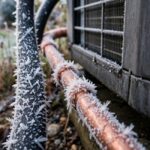
Ice formation also points toward airflow or refrigerant faults. Frost coats coils, lines, and sometimes outdoor units. Homeowners should switch systems off and melt ice first. Running frozen systems can damage compressors permanently.
Some repairs restore function quickly and simply. Replacing capacitors, igniters, or flame sensors happens often. Other repairs involve compressors, motors, or control boards. In practice, diagnosis quality determines repair value most.
Safety limits every troubleshooting and repair decision. Homeowners should avoid opening electrical panels or refrigerant lines. Gas smells, sparking, or burning odors require urgent caution. Finally, clear symptom notes help technicians work efficiently.
HVAC Contractor Qualifications, Licensing, and Training
Qualifications also separate trained professionals from untrained workers. Additionally, qualifications protect homeowners, equipment, and the environment. Licensing, certification, and training each cover different ground. Homeowners benefit from understanding each credential clearly.
States and localities set HVAC contractor licensing rules. Therefore, licensing requirements vary significantly by location. Some jurisdictions require exams, insurance, and documented experience. Other jurisdictions regulate only certain project types.
Federal law requires EPA Section 608 certification for refrigerant work. Technicians need certification to handle or purchase refrigerant. Federal rules also prohibit venting refrigerant during service. Certification ensures technicians recover refrigerant safely and legally.
- Type I certification: Technicians service small appliances with limited refrigerant charges.
- Type II certification: Technicians service high pressure appliances and larger systems.
- Type III certification: Technicians service low pressure appliances and chillers.
- Universal certification: Technicians hold all three certification types together.
NATE certification offers a voluntary industry credential. North American Technician Excellence operates as a nonprofit organization. Technicians pass knowledge exams on installation and service topics. Also, NATE certified technicians renew credentials through continuing education.
Manufacturer training covers specific equipment lines deeply. Factories train technicians on controls, diagnostics, and procedures. New refrigerants and electronics demand frequent updated training. In practice, ongoing education keeps field skills current.
Apprenticeships combine classroom study with supervised field experience. New technicians learn alongside experienced licensed professionals. Trade schools teach refrigeration theory, electricity, and safety. Similarly, hands on practice builds diagnostic judgment gradually.
Experience also matters alongside formal credentials and training. Seasoned technicians recognize patterns across many system types. However, experience alone cannot replace required certifications. Refrigerant and electrical rules apply to every technician equally.
Insurance and business licensing support professional accountability. Established firms document permits, warranties, and service records. They also follow local codes for each installation. As a result, documented firms offer clearer homeowner recourse.
Homeowners can verify licenses through state licensing boards. Boards publish license status and disciplinary records online. Additionally, homeowners can request certificates before work begins. Verification takes minutes and prevents many problems. Homeowners should confirm that an HVAC contractor carries insurance and proper licensing. A qualified HVAC contractor also documents every repair for future reference.
Indoor Air Quality and Humidity Basics
Indoor air quality affects comfort, health, and sleep. Additionally, HVAC systems strongly influence indoor air conditions. Filtration, ventilation, and humidity control work together daily. Balanced systems address all three factors consistently.
Filters also capture dust, pollen, and pet dander particles. Higher rated filters capture smaller particles more effectively. However, dense filters can restrict airflow in some systems. Technicians match filter ratings to blower capacity carefully.
Humidity control also shapes comfort at any temperature. Indoor relative humidity feels best between thirty and fifty percent. Dry winter air benefits from added moisture sometimes. Humid summer air benefits from stronger dehumidification.
Ventilation dilutes indoor pollutants and replenishes oxygen. Cooking, cleaning, and bathing add moisture and particles. Therefore, exhaust fans remove contaminants at their source. Whole home ventilation systems exchange air more evenly.
Duct condition strongly affects delivered air quality. Leaky returns pull dust from attics and crawlspaces. Dirty ducts circulate accumulated particles through rooms repeatedly. Learning about indoor air quality hvac topics clarifies improvement options.
Air purifiers and ultraviolet lights supplement basic filtration. Purifiers target particles, odors, or specific airborne contaminants. Still, source control and ventilation remain foundational strategies. No single device solves every air quality problem.
Plants, candles, and furnishings also affect indoor air. New materials release gases that fade over time. Meanwhile, regular cleaning reduces dust reservoirs on surfaces. Simple habits support mechanical systems every day.
Monitoring helps homeowners track indoor conditions objectively. Hygrometers measure humidity in main living areas. Carbon dioxide monitors indicate ventilation adequacy in bedrooms. Finally, measurements guide adjustments better than impressions.
Smart Controls and Thermostat Basics
Thermostats also act as command centers for HVAC systems. Additionally, modern controls add scheduling, sensing, and remote access. A smart thermostat hvac setup adjusts temperatures automatically. Schedules reduce runtime while homes stand empty.
Programmable thermostats also follow preset daily temperature schedules. Families set sleep, work, and evening temperatures separately. Consistent schedules reduce forgotten manual adjustments significantly. However, schedules must match real household routines.
Smart thermostats learn patterns and suggest adjustments. Sensors track occupancy and temperature across several rooms. Some models report runtime, humidity, and maintenance reminders. In practice, reports help homeowners spot unusual patterns.
Zoning controls divide homes into independent temperature areas. Motorized dampers open and close for each zone. Each zone uses a separate thermostat or sensor. Similarly, zoning solves many upstairs and downstairs imbalances.
Compatibility determines whether controls work correctly. Heat pumps, furnaces, and dual fuel systems wire differently. Technicians verify wiring and configuration during installation. Wrong settings can trigger backup heat unnecessarily.
Placement affects thermostat accuracy and system behavior. Interior walls away from sunlight read temperatures best. Drafts, lamps, and kitchens distort thermostat readings. Next, technicians relocate poorly placed thermostats when needed.
Sensible settings support comfort and efficiency together. Small setbacks save energy without sacrificing comfort. Extreme setbacks force long recovery cycles later. As a result, moderate adjustments usually work best.
Efficiency Ratings in Brief
Efficiency ratings also help homeowners compare equipment performance. Additionally, standardized tests make fair comparisons possible. Understanding hvac efficiency ratings prevents misleading comparisons. Ratings describe tested efficiency under controlled conditions.
SEER2 also measures seasonal cooling efficiency for air conditioners. EER2 measures cooling efficiency at peak conditions. HSPF2 measures seasonal heating efficiency for heat pumps. Therefore, each rating covers a different operating picture.
New DOE metrics replaced older ratings in January 2023. SEER2, EER2, and HSPF2 replaced SEER, EER, and HSPF. Updated tests use higher external static pressure now. Consequently, SEER2 numbers run lower than old SEER numbers.
Minimum standards vary by region and equipment type. Northern split systems need thirteen point four SEER2 minimum. Southern split systems need fourteen point three SEER2 minimum. Split heat pumps need fourteen point three SEER2 nationwide.
Heat pumps also meet an HSPF2 minimum standard. Nationwide rules require seven point five HSPF2 minimum. Most new gas furnaces rate eighty percent AFUE minimum. AFUE measures fuel converted into useful heat.
Higher ratings generally indicate lower energy consumption. However, installation quality affects real world performance strongly. Poor airflow and wrong charges erase rated efficiency. In contrast, careful installation preserves manufacturer performance claims.
Ratings help comparison but never tell everything. Comfort, noise, humidity control, and reliability also matter. Homeowners should weigh ratings alongside sizing and duct condition. Finally, balanced decisions beat single number decisions.
Ductwork and Air Distribution in Brief
Ductwork also delivers conditioned air throughout the home. Additionally, return ducts complete the circulation loop. Supply registers deliver air into each room. Return grilles pull air back toward equipment.
Leaks also waste a surprising share of conditioned air. ENERGY STAR estimates typical losses near twenty to thirty percent. Leaky ducts dump conditioned air into attics and crawlspaces. Therefore, sealing ducts improves comfort and efficiency together.
Common leak points include joints, boots, and connections. Mastic and metal tape seal duct joints effectively. Older tape often dries and falls away. Also, disconnected runs silently waste entire room airflow.
Insulation also protects ducts in unconditioned spaces. Hot attics heat cool air inside thin ducts. Cold spaces chill warm air during winter delivery. In practice, insulated ducts deliver temperatures more faithfully.
Duct sizing controls noise, pressure, and airflow balance. Undersized ducts whistle and strain blower motors. Oversized ducts waste space and materials unnecessarily. Proper design distributes air quietly and evenly.
Room pressure affects doors, comfort, and airflow. Closed doors can starve rooms without return paths. Transfer grilles and undercut doors relieve pressure differences. Similarly, balanced pressure reduces drafts and noise.
Duct cleanliness matters most after contamination events. Construction dust, pests, and mold justify closer inspection. Routine homes usually need sealing more than cleaning. Finally, inspections reveal actual duct conditions clearly.
Seasonal Planning With Your HVAC Contractor
Additionally, seasonal care aligns maintenance with weather demands. Next, spring preparation readies cooling equipment for summer heat. Similarly, fall preparation readies heating equipment for winter cold. In practice, seasonal timing prevents rushed emergency repairs.
Over time, consistent seasonal habits extend equipment service life noticeably. Also, homeowners notice small changes between seasonal checks. For example, new noises often appear during first seasonal runs. Therefore, early observations guide timely professional inspections.
Meanwhile, outdoor units need attention before each peak season. Also, homeowners clear leaves and debris around outdoor cabinets. Additionally, trimmed shrubs preserve airflow around outdoor units. Still, generous clearance supports airflow and service access.
Next, indoor preparation supports balanced seasonal performance. Also, homeowners open supply vents across all rooms. Additionally, closed vents create pressure and noise problems. In contrast, open vents support even temperatures everywhere.
For example, spring checks focus on cooling readiness. Next, technicians test condensate drains before humid weather arrives. Also, technicians verify refrigerant pressures during spring visits. As a result, systems enter summer in verified condition.
Similarly, fall checks focus on heating readiness. Additionally, technicians inspect burners and ignition systems carefully. However, heating safety checks matter most during fall. Finally, fall checks confirm venting and shutoff operation.
Over time, seasonal records reveal useful performance patterns. Also, homeowners log runtime changes and unusual patterns. In practice, records help technicians diagnose intermittent faults. Therefore, simple notes add real diagnostic value.
Meanwhile, extreme weather demands extra homeowner attention. Still, heat waves push cooling systems toward continuous operation. Similarly, cold snaps strain heating equipment and occupants. Yet, steady maintenance reduces weather related breakdown risks.
Additionally, travel periods require thoughtful system settings. In practice, moderate setbacks protect pipes and furnishings. However, extreme setbacks risk frozen pipes and damage. Also, trusted neighbors can watch for obvious problems.
Finally, seasonal planning turns maintenance into routine. Next, calendars remind homeowners about filters and inspections. Similarly, reminders reduce forgotten tasks during busy months. As a result, systems receive steadier care all year.
Additionally, seasonal care includes simple thermostat reviews. Also, homeowners adjust schedules when household routines change. In practice, accurate schedules reduce wasted runtime daily. Therefore, small setting changes support seasonal efficiency.
System Lifespan, Wear, and Replacement Basics
Over time, every HVAC system ages and wears. Additionally, wear accumulates across motors, compressors, and controls. Meanwhile, heat, moisture, and dust accelerate component aging. Therefore, age alone never tells the whole story.
In practice, use patterns shape system lifespan strongly. Similarly, homes in extreme climates run equipment longer. Also, oversized systems cycle frequently and wear controls. However, gentle steady operation usually ages equipment slowly.
For example, compressors and blower motors show wear first. Next, bearings loosen, windings weaken, and starters fail. Additionally, refrigerant leaks often signal aging coils. Still, individual part failures rarely condemn whole systems.
Over time, aging systems often lose efficiency gradually. Also, dirty coils and worn motors increase energy use. In contrast, maintained systems retain performance far longer. Therefore, maintenance history strongly predicts remaining lifespan.
Meanwhile, repair frequency offers another aging signal. Similarly, repeated breakdowns suggest deeper underlying wear patterns. Yet, one major repair differs from constant failures. In practice, patterns matter more than single events.
Additionally, comfort changes reveal declining system capacity. For example, rooms cool slowly and humidity lingers. However, duct problems can mimic equipment decline. Therefore, diagnosis should precede any replacement decision.
Next, homeowners can gather information before replacement planning. Also, they review age, repair history, and comfort. Additionally, they note fuel type and duct condition. Finally, they record room by room comfort problems.
Similarly, new equipment technology changes over time. For example, modern systems offer variable speed motors. Also, newer refrigerants reflect updated environmental rules. In contrast, older systems use earlier refrigerant types.
Over time, parts availability shrinks for older models. Meanwhile, manufacturers eventually discontinue components for aging equipment. Still, many older systems remain repairable for years. As a result, condition matters more than age alone.
Finally, informed homeowners plan transitions before emergencies. Additionally, they learn system basics and track trends. However, rushed decisions during breakdowns limit careful comparison. In practice, preparation supports calmer and better decisions.
Also, documentation supports smarter long term decisions. Next, manuals explain model features and maintenance requirements. Similarly, warranty documents clarify coverage and conditions. Finally, organized records simplify every future service visit.
Frequently Asked Questions
What does an HVAC contractor do?
HVAC contractors install, maintain, repair, and design home comfort systems.
How often should HVAC systems get maintenance?
Most systems benefit from professional maintenance twice each year.
What certification do refrigerant technicians need?
Federal law requires EPA Section 608 certification for refrigerant handling.
Why is my house not cooling evenly?
Uneven cooling usually signals airflow, duct, or sizing problems.
What does SEER2 mean for homeowners?
SEER2 measures seasonal cooling efficiency under updated federal testing.
Conclusion
HVAC knowledge also helps homeowners protect comfort year round. Additionally, informed owners spot problems earlier and communicate clearly. Systems reward consistent attention with reliable performance. Small habits compound into meaningful long term benefits.
Check filters monthly and inspect vents every season. Learn thermostat settings and normal system sounds. Maintain clear space around outdoor equipment always. Compare readings and notes across seasons for trends.
Inspect ducts, drains, and insulation during routine checks. Understand ratings, credentials, and maintenance records fully. Also, review humidity and airflow in problem rooms. Steady observation keeps small issues from growing.
Continue learning about ducts and indoor air care. Explore hvac duct cleaning guidance to judge duct needs wisely. Maintain records, inspect systems regularly, and learn continuously. Overall, a trusted HVAC contractor keeps every season comfortable and predictable.