




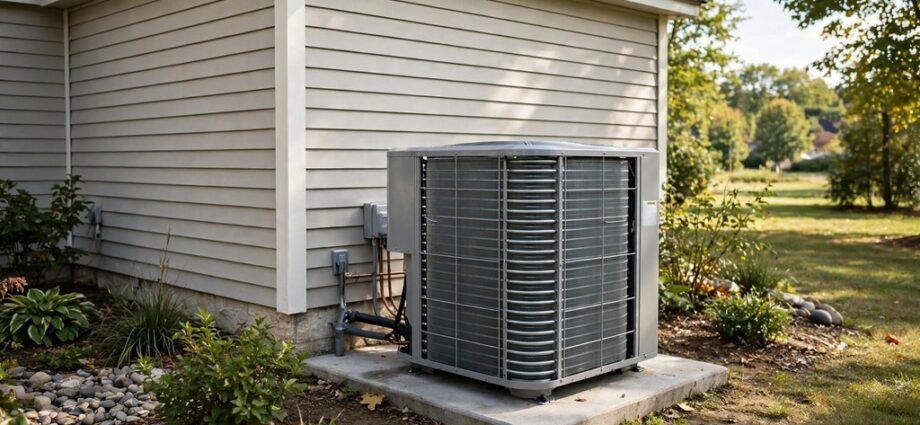
Heat pumps move existing heat indoors, while furnaces generate heat on site. Therefore, the heat pump vs furnace choice shapes efficiency, comfort, and cooling. Both systems use ducts and blowers to distribute warmed air evenly. Homeowners often review an hvac contractor guide to understand blower and venting basics. For example, climate, fuel access, and duct condition influence that match strongly.
However, their energy sources and cold weather behavior differ in important ways. Additionally, a heat pump provides cooling, while a furnace needs separate equipment. Understanding these differences helps homeowners match a system to their home. This guide compares both options using clear, even handed explanations throughout.
How a Heat Pump and Furnace Produce Heat
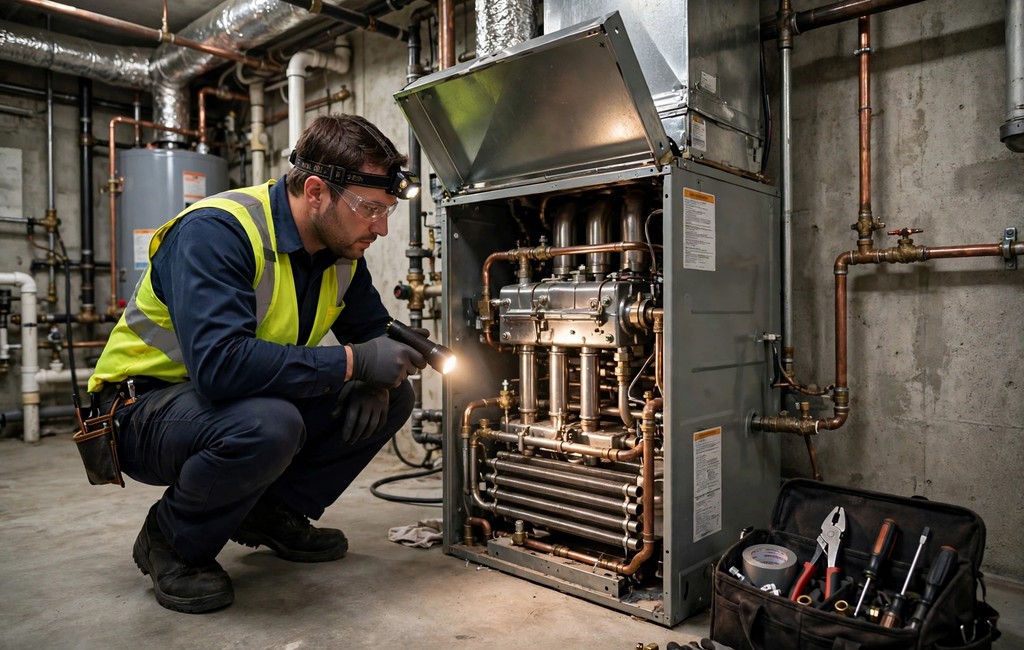
A heat pump uses refrigerant and a compressor to transfer heat. In heating mode, it extracts heat from outdoor air, even when cold. Similarly, it reverses that process to move indoor heat outside during summer.
In contrast, a furnace burns fuel or uses electric resistance to create heat. Gas models ignite burners inside a heat exchanger that warms passing air.
Oil and propane furnaces burn liquid or gaseous fuel in a sealed chamber. Meanwhile, electric furnaces pass current through coils that glow with resistance heat. Both furnace types then push heated air through ducts into living spaces.
Moving Heat Versus Making Heat
Moving heat takes less energy than generating heat from scratch, generally. For example, heat pumps deliver two to four units per electricity unit. That ratio describes coefficient of performance, commonly shortened to COP in ratings.
- Heat pump heat: Moves existing heat indoors using refrigerant and compression cycles.
- Furnace heat: Burns fuel or uses resistance coils to generate heat directly.
- Shared delivery: Uses a blower and ductwork to circulate conditioned air evenly.
Heat Pump and Furnace Efficiency Ratings
Ratings help homeowners compare seasonal performance across very different heating technologies fairly. Additionally, an hvac efficiency ratings overview explains how test conditions shape each number. Still, each system uses its own scale, so direct comparisons need context.
Heat Pump Ratings
Heat pumps carry SEER2 ratings for cooling and HSPF2 ratings for heating. Split systems must meet 14.3 SEER2 and 7.5 HSPF2 under current minimums. Higher numbers signal greater seasonal efficiency, though actual results vary by home.
Furnace Ratings
Furnaces use AFUE, which shows the share of fuel converted into heat. Most new gas furnaces must reach at least 80 percent AFUE federally. Also, condensing models reach 90 percent and above through exhaust heat recovery.
However, AFUE measures fuel conversion, while COP measures heat moved per unit. Therefore, homeowners should compare ratings within each category before comparing across categories. In practice, insulation, ducts, and sizing influence real efficiency as much as ratings.
Heat Pump and Furnace Cold Weather Performance
Heat pump efficiency falls as outdoor temperatures drop and available heat shrinks. However, cold climate models keep useful capacity well below freezing temperatures consistently. Many models operate near minus 13 degrees Fahrenheit in suitable conditions.
The cold climate specification asks for COP of 1.75 at five degrees. Additionally, furnaces deliver steady heat output regardless of outdoor temperature changes. That consistency suits regions facing long stretches of severe winter cold.
Backup Heat and Dual Fuel
Many cold region systems pair heat pumps with auxiliary resistance heat strips. Others pair a heat pump with a gas furnace in dual fuel setups. Next, the backup source takes over when outdoor temperatures fall below balance point.
- Dual fuel heating: Combines electric heat pump operation with furnace backup during extremes.
- Resistance backup: Supplies supplemental heat quickly when heat pump capacity drops outdoors.
- Balance point: Marks the temperature where backup heat supports the main system.
Heat Pump Cooling and Furnace Pairings
A heat pump also cools by reversing refrigerant flow during warm weather. It therefore replaces separate heating and cooling equipment in many homes. In contrast, a furnace alone cannot cool any rooms in a home.
A furnace pairs with a separate air conditioner that shares its blower. Homeowners without ducts sometimes consider a ductless mini split system for zoned comfort. Both paired setups still need properly sized ducts for balanced airflow.
Fuel, Maintenance, and Lifespan
Heat pumps run on electricity, while furnaces use gas, oil, propane, or electricity. Additionally, local fuel access and utility mix shape which option fits better. Homes without gas service often rely on electricity, oil, or propane deliveries.
Both systems need regular filter changes and periodic professional inspections for safety. Heat pumps also need clean outdoor coils and clear airflow around units. Meanwhile, furnaces need burner checks, venting inspections, and heat exchanger reviews regularly.
Heat pumps run through all seasons, so their compressors accumulate more operating hours. Furnaces run seasonally, yet their heat exchangers face repeated heating and cooling cycles. Over time, maintenance habits and local climate influence how long each lasts.
Which Homes Suit Each System
Mild and moderate climates often suit heat pumps especially well for efficiency. However, well insulated homes in colder regions also use cold climate models successfully. For example, good insulation reduces heat loss and lowers backup heat needs.
Homes with existing gas service and ducts often suit furnaces very naturally. Similarly, homes needing strong cold weather output often value furnace backup heat. Finally, homeowners should weigh climate, insulation, fuel access, and duct condition together.
- Mild climate homes: Often match heat pumps for efficient heating and cooling.
- Cold climate homes: May need cold climate models or dual fuel backup.
- Homes with gas: Often suit furnaces that use existing fuel lines and ducts.
Frequently Asked Questions
What is the main difference between a heat pump and a furnace?
A heat pump moves heat, while a furnace generates heat on site.
Can a heat pump also cool a home?
Yes, a heat pump reverses refrigerant flow to cool indoor spaces during summer.
How cold can a heat pump work?
Many cold climate models operate near minus 13 degrees Fahrenheit, with backup support.
What does AFUE mean for a furnace?
AFUE shows the share of fuel energy a furnace converts into seasonal heat.
What is a dual fuel heating system?
A dual fuel system pairs a heat pump with a furnace for backup.
Conclusion
In practice, heat pumps move heat and cool, while furnaces generate steady heat. Therefore, climate, insulation, fuel access, and ducts shape the better fit. Homeowners should inspect their ducts and compare system ratings before deciding.
Additionally, homeowners should check insulation levels and review backup heat needs carefully. Learning how each system handles local winters helps homeowners maintain comfort efficiently.