




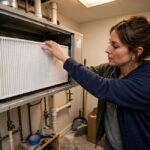

An AC not cooling properly usually traces back to a few common, fixable causes. For example, dirty filters, wrong thermostat settings, and blocked coils reduce cooling fast. However, refrigerant leaks and failing parts also create the same frustrating symptoms.
Therefore, you should check simple items before you assume major system damage. Additionally, careful symptom notes help you separate airflow problems from deeper faults. This guide walks through each cause in a clear troubleshooting order. In practice, an hvac contractor explains leak testing and repair options clearly.
Warm air, weak airflow, and ice point toward different failures. Still, a methodical check prevents guesswork and protects sensitive system components.
AC Not Cooling? Start With Thermostat Settings
First, set the thermostat to cool and lower the target temperature slightly. Next, confirm the fan setting matches your normal cooling routine exactly. Also, replace weak batteries if the display looks dim or blank.
However, sunlight and lamps can warm a thermostat and distort its readings. For example, a thermostat near a kitchen often senses extra heat daily. Therefore, steady readings in a shaded hallway usually reflect real indoor conditions.
Additionally, programmable schedules sometimes override comfortable settings without obvious warnings appearing. For example, a vacation hold keeps temperatures higher during normal hours. Still, a quick settings review often restores normal cooling within minutes.
AC Not Cooling From Dirty Filters and Blocked Vents
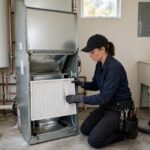
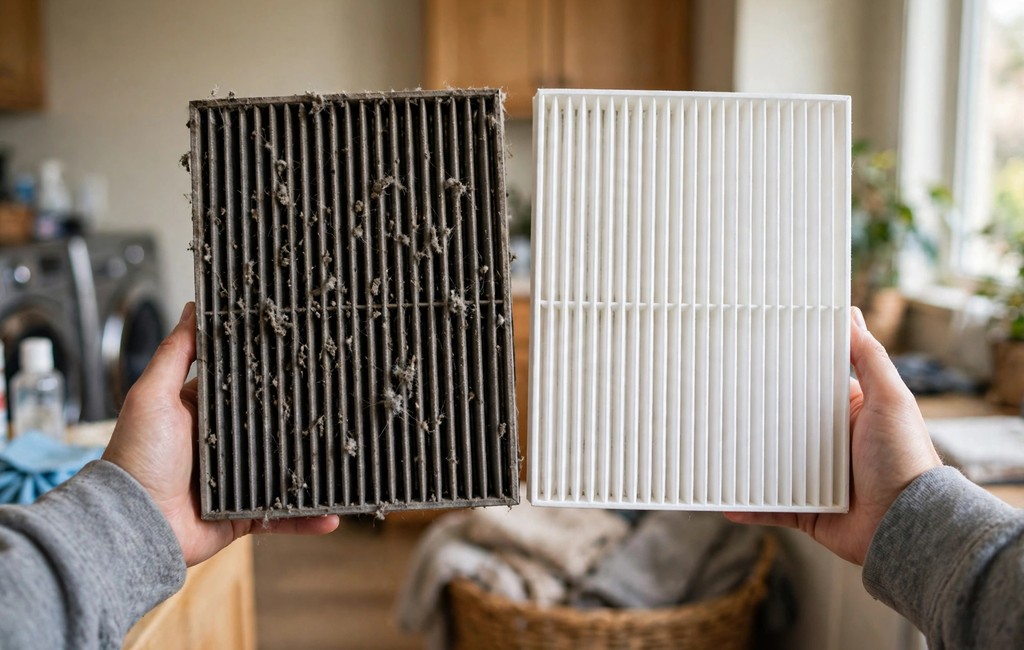
A clogged filter restricts airflow and forces the system to work harder. As a result, rooms cool slowly and vents deliver noticeably weaker airflow. Additionally, dust buildup strains the blower and raises energy consumption steadily.
- Dirty filter: Replace or clean the filter when dust visibly coats the surface.
- Blocked vents: Move furniture and curtains away from every supply vent.
- Closed registers: Open registers fully in rooms that need consistent cooling.
- Return grilles: Vacuum dust from return grilles to restore smooth airflow.
Similarly, open vents throughout the home balance pressure and improve circulation. In contrast, closed vents in unused rooms rarely improve overall cooling.
AC Not Cooling and Dirty Outdoor Condenser Coils
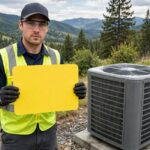
The outdoor unit releases indoor heat through its condenser coils outside. However, dirt and debris coat the coils and trap heat inside. A dirty condenser coil cannot reject heat efficiently during hot weather.
As a result, cooling capacity drops and run times grow much longer. Additionally, bent fins and nearby shrubs further block outdoor airflow circulation. Therefore, clear leaves and maintain open space around the outdoor unit.
Similarly, grass clippings and cottonwood seeds clog coil surfaces very quickly. Over time, heavy buildup forces longer cycles and warmer indoor temperatures. Next, gentle cleaning and clear surroundings help the unit breathe freely.
AC Not Cooling With Frozen Evaporator Coils
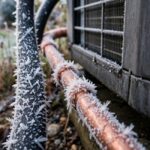
Ice on indoor coils signals restricted airflow or low refrigerant charge. For example, a clogged filter often starves the coil of warm air. Meanwhile, the system runs longer yet delivers less cooling to rooms.
Still, ice itself blocks airflow further and worsens the cooling problem. Therefore, turn the system off and let the ice melt completely. Next, replace the filter and restart the system for observation.
Additionally, closed vents and blocked returns also starve the coil quietly. In contrast, a healthy coil stays cold without building visible frost layers. Finally, recurring ice signals an unresolved airflow or refrigerant problem underneath.
Understand Low Refrigerant and Leaks
Refrigerant circulates in a sealed loop and never gets used up. Therefore, low charge signals a leak, and hvac refrigerant leak symptoms deserve prompt professional attention. Additionally, leaks reduce cooling gradually rather than causing a sudden stop.
Only technicians with EPA Section 608 certification may handle refrigerant legally. Still, topping off refrigerant without fixing the leak wastes time.
Similarly, hissing sounds and oily residue near lines suggest possible leakage points. However, small leaks hide easily and require specialized detection equipment instead. Over time, falling charge steadily weakens cooling across every room equally. Technicians also confirm AC not cooling complaints by measuring vent temperatures directly.
Check Ductwork for Hidden Leaks
Ducts carry cooled air from the air handler to every room. However, gaps and loose joints let cooled air escape into attics. Typical duct systems lose about 20 to 30 percent through leaks.
As a result, distant rooms stay warm while nearby rooms feel comfortable. Additionally, dust streaks near joints often reveal escaping air paths. Similarly, uneven room temperatures often point toward duct problems first.
Next, inspect visible duct sections in attics, basements, and crawl spaces. For example, disconnected sections dump cooled air before rooms receive it. Still, sealed joints and intact insulation help ducts deliver air efficiently.
Watch for Failing Capacitors and Blower Motors
Capacitors help motors start and keep fans spinning during each cycle. However, a failing capacitor often causes humming, clicking, or hard starts. Meanwhile, a weak blower motor moves too little air across coils.
For example, short cycling often signals electrical or control problems developing. In contrast, constant running often signals lost capacity or airflow restrictions. Finally, certified professionals must handle capacitor testing and motor replacement safely.
Additionally, burning smells or tripped breakers signal serious electrical trouble nearby. Yet, homeowners should avoid opening electrical panels or testing capacitors themselves. Similarly, grinding noises from the blower suggest worn bearings or debris.
Match AC Not Cooling Symptoms to Likely Causes
Warm air alone often points toward refrigerant or condenser problems first. For example, healthy supply air feels 15 to 20 degrees cooler than return air. Additionally, an hvac maintenance checklist helps you track each symptom and check systematically.
Weak airflow usually points toward filters, blower trouble, or duct leaks. In contrast, visible ice points toward airflow restriction or low refrigerant. Over time, patterns in run time reveal worsening problems more clearly.
Frequently Asked Questions
Why is my AC running but not cooling the house?
However, dirty filters, low refrigerant, and dirty coils commonly cause this problem.
What temperature difference should vents show during cooling?
For example, healthy vents deliver air 15 to 20 degrees cooler than return air.
Can a dirty filter really stop proper cooling?
Yes, and additionally, a clogged filter restricts airflow and strains the blower.
Why does ice form on my AC coils?
Ice forms when restricted airflow or low refrigerant chills the coil excessively.
When should a professional inspect my AC system?
Finally, a professional inspection suits ice, leaks, or recurring electrical symptoms best.
Conclusion
In practice, simple checks reveal many cooling problems before deeper faults worsen. Therefore, inspect filters, vents, coils, and thermostat settings on a regular schedule. Finally, compare symptoms carefully and learn how each system part works. Overall, an AC not cooling deserves checks from the thermostat outward. In practice, most AC not cooling cases trace to airflow or refrigerant problems.