







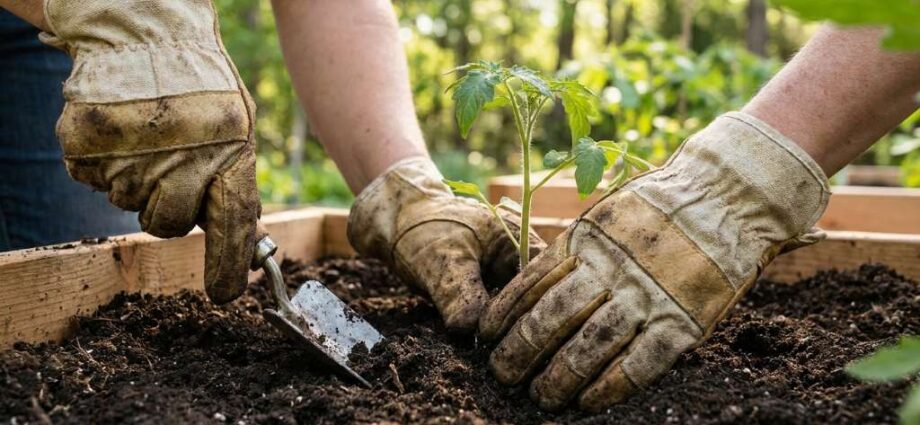
The best gardening gloves combine puncture resistant material, a snug fit, and breathable fabric suited to your main task. Leather suits thorny pruning and rough digging. Rubber or nitrile coated gloves suit wet soil, planting, and anything messy.
Picking the right pair is not about grabbing the first set on a shelf. Your hands do different work in different seasons, and no single glove handles every job well.
This guide walks through every material, every fit question, and every task so you can match the right gardening gloves to your garden. You will also find care tips, budget guidance, and sustainability notes that stretch a good pair across several seasons instead of one.
Why Gardening Gloves Matter
Bare hands pick up splinters, blisters, and soil borne bacteria faster than most gardeners expect. A thorn scratch seems minor until it swells or gets infected days later.
Gloves also improve grip on tools that vibrate or slip when wet. Waterproof gardening gloves reduce strain on your wrists during long pruning or digging sessions.
Beyond safety, gloves protect your skin from sun exposure and harsh fertilizers. Many hands show more wear from gardening than from any other hobby, simply because bare skin meets dirt, thorns, and chemicals for hours at a time.
Soil itself carries bacteria and fungal spores that can enter through small cuts. A sturdy barrier between your skin and that soil lowers your risk considerably.
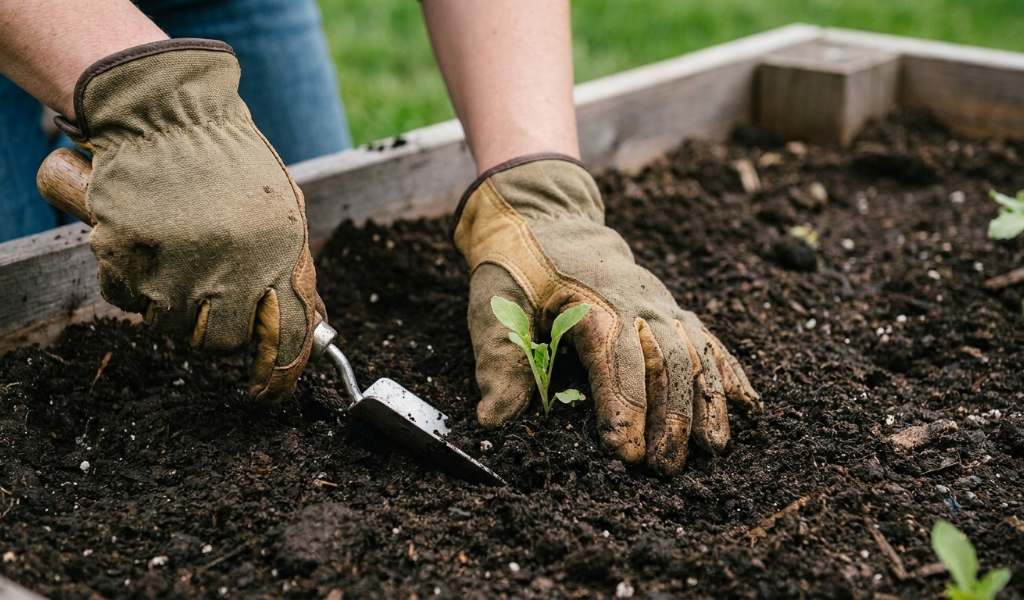
The Evolution Of Gardening Gloves
Early gardeners relied on simple cloth or leather coverings with little shaping or reinforcement. These basic designs offered minimal protection and wore out quickly under regular use.
Modern manufacturing introduced dipped coatings, ergonomic cutting patterns, and reinforced stitching that extended durability significantly. Synthetic materials like nitrile and neoprene later expanded options beyond traditional leather and cotton.
Today’s gloves also reflect lessons from sports and industrial safety gear, borrowing grip technology and padding placement from those fields. This cross industry influence explains why recent gloves feel noticeably more ergonomic than older designs.
Hand Health And Long Term Benefits
Consistent glove use protects more than just the skin during a single session. Repeated exposure to soil, thorns, and chemicals without protection adds up over years of gardening.
Calluses, scarring, and skin irritation become more common among gardeners who skip gloves regularly. Joint strain also increases without the cushioning a padded palm provides during repetitive gripping.
Wearing gloves consistently protects hand health over the long term, not just during any single task. This matters especially for gardeners who treat the hobby as a weekly or daily habit.
Anatomy Of A Quality Gardening Glove
Understanding how a glove is built helps you judge quality beyond the label. Four parts decide how well a pair performs over time.
Palm Reinforcement
The palm takes the most friction during digging, raking, and gripping tools. Double layered or reinforced palms resist wear far longer than a single layer of fabric.
Fingertip Protection
Fingertips meet thorns, rocks, and rough bark constantly during detail work. Reinforced stitching or an extra material layer at the tips prevents early tearing.
Cuff And Wrist Closure
A secure cuff keeps soil, insects, and thorns from entering the glove. Elastic bands, hook and loop straps, or drawstrings each offer a different balance of security and ease of use.
Lining And Seams
Interior lining affects comfort during long wear, while seam placement affects durability. Flat seams along high friction areas reduce the chance of early splitting.
Types Of Gardening Gloves At A Glance
Not every glove is built the same way, and the differences matter more than color or brand. Here is a quick breakdown before we go deeper:
- Leather: best for thorns, rough bark, and heavy digging
- Rubber or latex coated: best for wet soil, seeding, and messy planting
- Cotton and canvas: best for light weeding and warm weather comfort
- Nitrile dipped: best for fine motor tasks like transplanting seedlings
- Suede: a softer leather option with less puncture resistance
- Gauntlet length: extended cuffs that guard forearms from thorny branches
- Disposable: single use options for quick chemical or messy jobs
Each type trades off breathability against protection. Knowing your main task narrows the list quickly.
Gardening Gloves Vs Work Gloves
General work gloves prioritize impact protection and heavy abrasion resistance for construction or mechanical tasks. Gardening gloves for thorns prioritize flexibility, breathability, and fine motor control for plant handling instead.
Wearing standard work gloves for detailed potting or seedling work often feels clumsy and reduces precision. Wearing lightweight gardening gloves for heavy construction tasks leaves hands under protected against impact.
Choosing gardening gloves for arthritis built specifically for safe gardening tasks gives better results than borrowing gloves designed for an unrelated purpose.
Materials Compared In Depth
Material choice decides how a glove performs under real pressure, not just how it looks on a shelf.
Leather
Full grain leather resists punctures better than almost any other material. It stiffens over time with wet soil exposure, so it works best for dry, thorny tasks rather than constant mud.
Leather breathes reasonably well but needs conditioning to avoid cracking. A well maintained pair can outlast several synthetic gloves.
Rubber And Latex Coated
These gloves excel in wet or muddy conditions since the coating blocks moisture completely. Grip stays strong even when your hands are damp from a hose or morning dew.
The trade off is heat buildup during long, warm sessions. Breathability suffers compared to leather or cotton.
Cotton And Canvas
Lightweight and breathable, cotton gloves suit short tasks like weeding or light pruning. They absorb moisture rather than blocking it, so they soak through quickly in wet soil.
Canvas blends add some durability while keeping the glove flexible. Neither option handles thorns or sharp branches well.
Nitrile Dipped
A thin nitrile coating over a knit shell gives excellent dexterity for small, precise movements. Transplanting seedlings or handling small tools feels natural in this style.
Puncture resistance stays moderate, so these gloves suit careful tasks rather than rough digging. Many gardeners keep a pair specifically for spring planting.
Suede
Suede trades some puncture resistance for softness and flexibility. It feels comfortable during long wear but tears faster against sharp thorns than full grain leather.
This makes suede a reasonable middle ground for general yard work that avoids heavy brush.
Gauntlet Length And Disposable Options
Gauntlet cuffs extend past the wrist, often six inches or more, to guard forearms from scratches. Rose growers and anyone pruning thick brush benefit most from this length.
Disposable gloves handle quick, messy jobs like spreading fertilizer or handling chemicals. They offer little long term durability but prevent cross contamination between tasks.
Stretch Knit And Spandex Blends
Stretch knit gloves, often blended with spandex, hug the hand closely for maximum flexibility. They suit detailed tasks where feeling small objects precisely matters more than heavy protection.
These blends breathe well and dry quickly after light moisture exposure. Durability stays lower than leather or nitrile coated options, so they work best as a secondary pair for fine work.
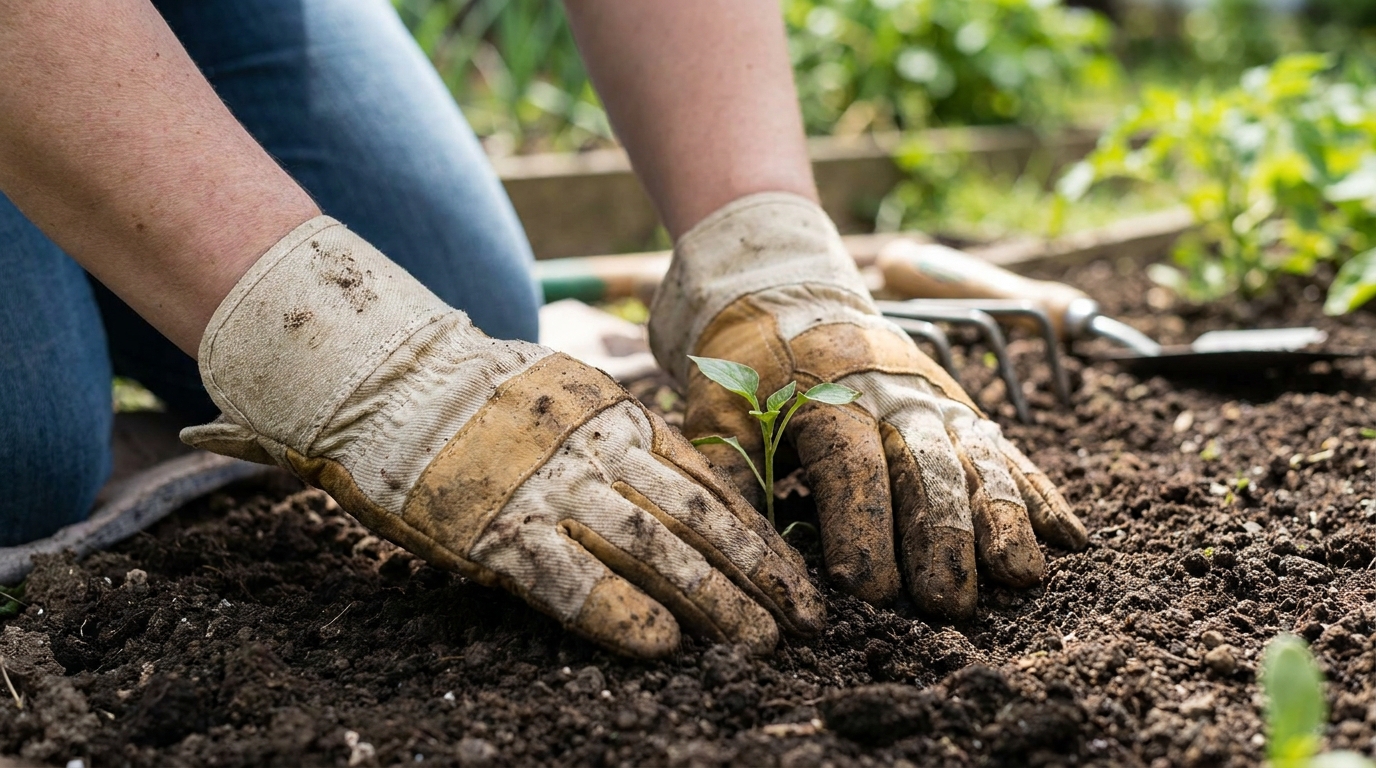
Choosing Gardening Gloves By Task
Matching glove type to task prevents both wasted money and frustrated hands mid job.
Digging And Soil Work
Heavy digging calls for thick leather or reinforced synthetic palms. Your hands grip shovels and rakes under constant pressure, so padding at the palm reduces blisters.
Look for reinforced fingertips too, since soil work often involves pulling rocks or roots by hand.
Pruning And Thorny Plants
Rose bushes, blackberry brambles, and thorny hedges need full grain leather with gauntlet cuffs. Thin gloves tear within a single pruning session against serious thorns.
A snug wrist closure also keeps debris from falling inside the glove while you reach into dense branches.
Weeding
Light cotton or thin nitrile gloves work well here since weeding demands dexterity more than brute protection. You need to feel roots and grip small weeds precisely.
Breathability matters most during long weeding sessions in warm weather.
Potting And Seedlings
Nitrile dipped gloves shine for potting since they protect skin from potting mix while keeping touch sensitivity high. Seedlings need gentle handling that thick leather cannot offer.
A snug fit around the fingertips avoids accidentally crushing delicate stems.
Lawn And Power Tool Work
Trimmers and mowers demand vibration dampening and strong grip more than puncture resistance. Padded palms reduce hand fatigue during longer mowing sessions.
Avoid loose cuffs near any rotating blade or trimmer line for safety.
Hedge Trimming And Tree Work
Taller shrubs and small trees combine sharp branches with overhead reaching. A gauntlet style glove with reinforced palms handles both the scratches and the grip strain well.
Forearm coverage becomes especially important when reaching through dense foliage above shoulder height.
Sizing And Fit Guide
A glove that fits poorly undermines even the best material choice. Measure around your palm, excluding the thumb, to find your base size.
Then measure from your wrist to the tip of your middle finger for length. Compare both numbers against the brand’s size chart, since sizing varies noticeably between manufacturers.
Signs of a poor fit include:
- Bunching fabric: at the fingertips signals a glove too long for your hand
- Restricted movement: when making a fist signals a glove too tight
- Gaps at the wrist: let in dirt and reduce cuff protection
- Slipping during grip: means the palm area runs too large
Kids need gloves sized specifically for smaller hands rather than a scaled down adult pair. Extra wide or narrow hands often fit better in brands offering half sizes or adjustable wrist straps.
Left And Right Hand Fit
Most gardening gloves are symmetrical and fit both hand size equally well. Higher end pairs sometimes shape the thumb and palm differently for each hand, which improves grip and comfort during long sessions.
If you garden for hours at a time, this small design detail can reduce fatigue noticeably.
Features That Matter
Beyond material and size, a few details separate a good glove from a great one.
Grip coating on the palm and fingertips prevents tools from slipping during repetitive motion. Silicone dots or textured rubber patches add this without sacrificing flexibility.
Cuff length decides how much forearm protection you get. Short cuffs suit quick tasks, while gauntlet styles suit anything involving thorns or reaching into dense growth.
Breathable panels, often mesh across the back of the hand, reduce sweat during long sessions. Touchscreen compatible fingertips let you check a phone without removing gloves mid task.
Waterproofing matters most for anyone working in wet soil or near hoses regularly. A fully waterproof glove sacrifices some breathability, so match this feature to your typical conditions rather than buying it by default.
UV Protection And Sun Exposure
The backs of your hands get constant sun exposure during long gardening sessions. Gloves with UV resistant fabric reduce that exposure without adding bulk.
This feature matters most for gardeners working several hours in direct sun during spring and summer months.
Glove Liners And Layering For Extra Protection
Thin liner gloves worn underneath your main pair add warmth or sweat absorption without changing fit significantly. Cotton liners work well in cold weather under insulated outer gloves.
Layering also extends the life of your main pair by reducing direct sweat contact with the lining. This approach suits gardeners who work outdoors across very different seasons with the same outer gloves.
Matching Gloves To Your Garden Tools
The tool in your hand should influence which glove you reach for. Shovels and rakes favor padded palms that absorb pressure during repetitive motion.
Pruning shears and loppers favor a snug fingertip fit for precise control near the blade. Power tools like trimmers favor vibration dampening padding over raw puncture resistance.
Hand trowels and small tools favor thinner, flexible gloves that preserve tactile feedback. Matching glove thickness to tool type prevents both fatigue and reduced control.
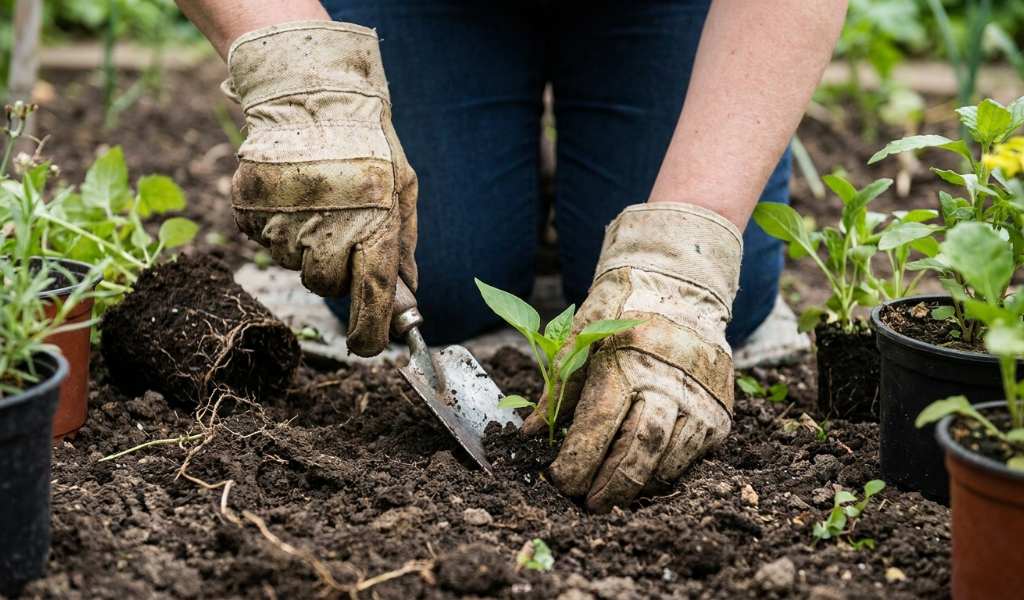
Gardening Gloves For Different Garden Types
The style of garden you keep shapes which glove features matter most. A few common setups call for noticeably different choices.
Vegetable Gardens
Vegetable beds mix soil contact with gentle handling of produce and seedlings. Nitrile dipped or thin cotton gloves balance protection with the dexterity needed for harvesting.
Rose And Flower Gardens
Thorny stems and dense foliage make this setting the toughest on standard gloves. Full grain leather with gauntlet cuffs remains the clear choice for serious rose care.
Succulent And Cactus Gardens
Fine spines slip through loosely woven fabric easily, so tightly woven or leather gloves work best. Thinner padding still allows the precise handling succulents often need during repotting.
Orchard And Tree Care
Reaching into branches for pruning or harvesting combines scratches with overhead strain. Gauntlet length gloves with reinforced palms protect forearms while supporting grip during extended reaching.
Professional Vs Hobbyist Gardening Gloves
Landscapers and nursery workers use gloves for hours daily, which changes what counts as good value. Professional grade pairs prioritize reinforced stitching and replaceable components built for constant wear.
Hobbyist gardeners working a few hours weekly can reasonably choose lighter, less reinforced options. Matching your purchase to actual usage hours avoids overspending on durability you will never fully use.
Professionals also tend to keep several task specific pairs rather than one general pair. Hobbyists can often cover most needs with two well chosen gloves instead of five.
Budget Guide: What You Get At Each Price Point
Price does correlate with durability, but the right choice still depends on how often you garden.
Entry Level
Budget cotton or thin synthetic gloves suit occasional gardeners doing light tasks a few times a month. Expect shorter lifespans and less puncture resistance at this tier.
Mid Range
Reinforced leather palms or quality nitrile coatings appear at this level, offering a solid balance of durability and comfort. Most regular gardeners find their best value here.
Premium
Full grain leather, ergonomic shaping, and specialized features like UV protection or thermal lining define premium pairs. Frequent gardeners or professionals often recover the higher cost through extended durability.
Buying one quality mid range pair often beats replacing cheap gloves every few weeks. Consider how many hours per week you spend gardening before deciding where to spend more.
Gardening Gloves For Group Projects And Community Gardens
Shared tool sheds and community plots often mean gloves get passed between several people. Durable, easy to clean materials matter more here than in a personal, single user pair.
Labeling gloves by size helps avoid the mismatched fit problems that come from a shared bin. Machine washable cotton or wipeable nitrile coatings hold up best under rotating, multi user conditions.
Keeping a few disposable pairs on hand also covers volunteers who show up without their own gloves for a one time event.
How To Test Gloves Before You Buy
A few simple checks in store or right after unboxing reveal fit and quality quickly.
Make a tight fist and check for restriction across the knuckles. Stretch your fingers fully open and check for strain at the seams.
Press your fingertip against a hard surface to gauge padding and puncture resistance. Check that the cuff closes snugly without pinching your wrist.
If ordering online, test these same movements the moment the gloves arrive. Most retailers allow returns within a short window, so confirm fit before removing tags or using them outdoors.
Breaking In New Gardening Gloves
Stiff leather gloves often feel restrictive straight out of the packaging. Flexing your fingers repeatedly for a few minutes softens the material faster than simply wearing them during a long task.
A light conditioning treatment before first use also speeds up the break in process for leather pairs. Synthetic and fabric gloves generally need no break in period and fit comfortably from the first wear.
Comparing Glove Closures
The closure at the wrist affects both comfort and how much debris stays out. Elastic cuffs offer quick on and off access with consistent light pressure around the wrist.
Hook and loop straps allow a fully adjustable fit, which suits gardeners with wider or narrower wrists. Drawstring closures seal tightly against debris but take longer to adjust than the other two styles.
Choose elastic for quick tasks, straps for a customized fit, and drawstrings for messy or thorny work where sealing the cuff matters most.
Gloves For Specific Needs
Standard gloves do not suit every gardener equally, and a few groups benefit from specialized designs.
Kids
Children need lightweight, snug fitting kids’ gloves with elastic cuffs rather than oversized adult pairs. Loose fabric creates a safety hazard around tools and increases blisters from constant shifting.
Arthritis Or Sensitive Hands
Compression style gloves with padded palms reduce joint strain during repetitive gripping. Soft stretch fabric without hard seams prevents irritation for sensitive skin.
Winter Conditions
Insulated, waterproof gloves with a fleece or thermal lining keep hands functional during cold weather pruning. Bulkier insulation reduces dexterity, so thinner thermal linings work better for detailed tasks.
Latex Allergies
Nitrile and neoprene options avoid the allergic reactions that latex coated gloves can trigger. Always check the coating material listed on the product rather than assuming based on appearance alone.
Travel And Storage Between Gardening Trips
Gardeners who tend a community plot, allotment, or second property often need gloves that travel well. A breathable mesh pouch keeps a damp pair from developing odor during transport.
Avoid sealing a worn pair in a plastic bag immediately after use, since trapped moisture speeds up material breakdown. Letting gloves air out for even a short period before packing them preserves both shape and smell.
A small carabiner clip on a glove’s cuff also makes it easy to secure a pair to a bag or belt loop between tasks.
Leather Vs Rubber: Quick Verdict
Leather wins for dry, thorny, and rough textured work where puncture resistance matters most. Rubber wins for wet, messy, or chemical heavy tasks where moisture blocking takes priority.
Many experienced gardeners keep both types on hand and switch based on the day’s main task rather than relying on a single pair for everything.
Eco-Friendly And Sustainable Gardening Gloves
Sustainable options have grown noticeably, giving environmentally conscious gardeners more real choices. Recycled cotton, natural rubber, and plant based coatings now appear across many budget and mid range lines.
Biodegradable disposable gloves break down faster than standard plastic coated versions after single use tasks. Choosing a durable, repairable pair also reduces waste simply by lasting several seasons instead of one.
Look for brands disclosing their material sourcing clearly rather than vague green marketing claims. A genuinely sustainable glove usually names its recycled content percentage or natural material source directly on the packaging.
Seasonal Glove Rotation Strategy
Rotating gloves by season extends the life of each pair and matches protection to changing conditions. Spring planting favors nitrile dipped gloves for seedling work and soil contact.
Summer favors breathable cotton or mesh backed gloves for comfort during heat. Fall pruning favors leather with gauntlet cuffs as woody growth and thorns increase.
Winter favors insulated waterproof gloves for cold, wet conditions during dormant season cleanup. Keeping two or three pairs on rotation also gives each one time to fully dry and recover between uses.
How Climate Affects Glove Choice
Regional climate matters as much as season when picking a glove. Humid climates accelerate mildew growth, so breathable, quick drying materials matter more than in drier regions.
Arid climates create dusty, abrasive conditions that wear down fabric faster than moisture does. Reinforced palms and tightly woven materials hold up better against constant dust and grit.
Cold climates demand insulation without sacrificing too much dexterity for detailed late season tasks. Gardeners in milder year round climates can often rely on a smaller glove collection overall.
Gardening Gloves And Grip Technology
Grip technology has improved noticeably across most price tiers in recent years. Textured silicone patterns now replace older smooth rubber dots on many mid range gloves.
Dot patterns suit lighter tool handling, while fuller palm coatings suit heavy digging and repetitive gripping. Wet grip formulas specifically resist slipping when hands or tool handles are damp.
Checking grip technology matters most for anyone using gloves alongside power tools or wet hose work regularly. A reliable grip reduces tool slippage, which lowers the chance of accidental injury during repetitive tasks.
Common Myths About Gardening Gloves
A few persistent myths lead gardeners toward the wrong purchase. Clearing these up saves both money and discomfort.
Thicker always means safer: is false, since overly thick gloves reduce dexterity and increase fatigue for detailed work.
One pair suits every task: ignores how differently materials perform across wet, dry, thorny, and delicate conditions.
Expensive always means better: overlooks that mid range gloves often match premium performance for typical home gardening needs.
Care, Cleaning, And Storage
Proper care extends the life of any pair significantly, regardless of material.
Leather gloves need occasional conditioning with a leather specific product to prevent cracking. Avoid machine washing leather, since water and agitation damage the fibers over time.
Rubber coated and nitrile gloves clean easily with mild soap and water. Air dry them fully before storage to prevent mildew buildup inside the fabric.
Cotton and canvas gloves typically tolerate a gentle machine wash cycle. Always air dry rather than using high heat, which can shrink the fabric and loosen seams.
Store all gloves in a dry, ventilated spot rather than a sealed plastic bin. Rotating between two pairs also lets each one fully dry between uses, which slows material breakdown considerably.
Odor Control And Hygiene
Sweat and damp soil trapped inside a glove create odor and bacteria growth over time. Turning gloves inside out to dry speeds up moisture evaporation significantly.
A light baking soda dusting between uses absorbs lingering odor without damaging most materials. Washing hands before removing gloves also reduces the soil residue left behind inside the fabric.
Signs It Is Time To Replace Your Gardening Gloves
Even well cared for gloves reach a point where replacement beats continued repair. Watch for a few clear warning signs.
Thinning material at the palm or fingertips: means puncture resistance has already dropped significantly. Persistent stiffness after conditioning: signals leather fibers have broken down beyond normal recovery.
Cuffs that no longer hold their shape: let in dirt and debris regardless of how snug they once fit. Noticing these signs early prevents an injury that a worn out glove failed to stop.
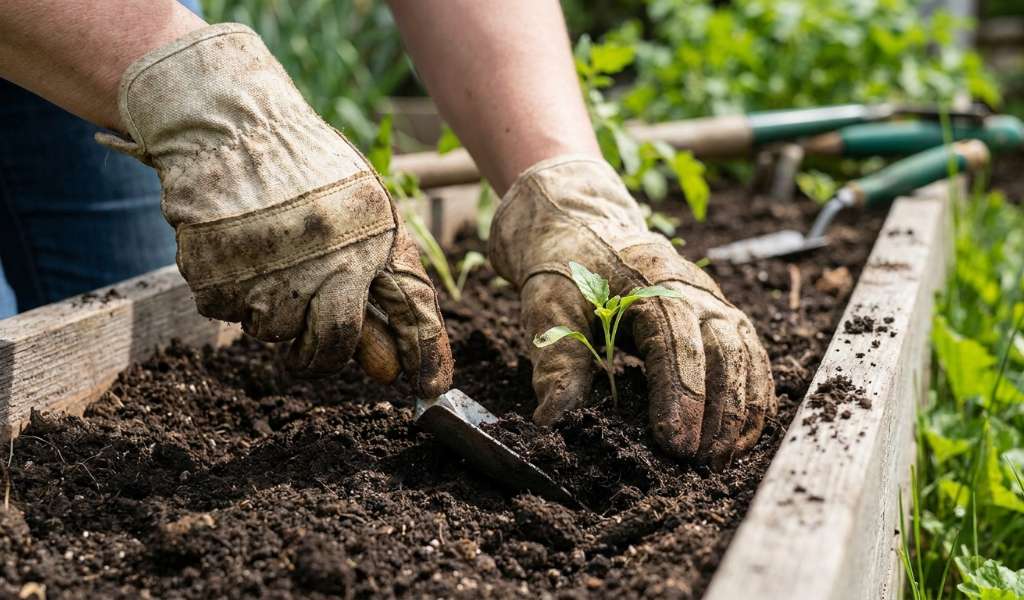
Common Mistakes When Choosing Gardening Gloves
A few recurring errors shorten glove life and reduce comfort more than material quality ever does.
Buying based on price alone: often means replacing cheap gloves every few weeks instead of investing once.
Ignoring cuff length: for thorny work leaves forearms exposed to unnecessary scratches.
Choosing one pair for every task: forces compromises in either protection or dexterity depending on the job.
Skipping proper sizing: leads to blisters, reduced grip, and gloves that wear out faster than expected.
Storing gloves damp: speeds up mildew growth and material breakdown significantly.
Extending Glove Lifespan With Simple Repairs
Small repairs often add months of extra use to a favorite pair. A torn seam can usually be restitched by hand with heavy duty thread.
Thin patches at worn fingertips extend leather gloves noticeably before replacement becomes necessary. Re-waterproofing a coated glove with a spray treatment restores water resistance once the original coating wears thin.
Knowing when a repair is worth the effort versus when replacement makes more sense saves both time and money over a gardening season.
Gloves For Unpredictable Weather Events
Sudden rain, early frost, or an unexpected heatwave can catch any gardener without the ideal pair on hand. Keeping one versatile, weather resistant glove in reserve covers most surprise conditions.
A lightly insulated, water resistant pair handles both unexpected cold snaps and light rain reasonably well. For sudden heat, simply switching to a breathable cotton pair prevents discomfort during an unplanned long session.
Planning for weather swings, rather than assuming consistent conditions, keeps your hands protected no matter what the forecast does.
Troubleshooting Common Glove Problems
Even a good pair develops issues over time, and most have simple fixes.
Stiff leather after drying usually means the glove needs conditioning and slow, gentle flexing before the next use. Persistent odor despite washing often signals it is time to retire the pair rather than keep treating it.
Fingertip holes on an otherwise solid glove can sometimes be patched with fabric glue for short term use. Loose cuffs that no longer grip the wrist typically mean the elastic has worn out, which usually means replacement rather than repair.
Gardening Gloves And Insect Protection
Thick, tightly woven gloves add a useful barrier against stinging insects and biting pests hidden in foliage. Gauntlet cuffs specifically reduce the chance of an insect reaching skin near the wrist.
Light colored gloves make it easier to spot a landed insect before it becomes a problem. This small detail matters most for gardeners working near flowering plants or dense ground cover regularly.
Combining a solid glove with long sleeves offers the most complete protection during peak insect activity in warmer months.
Where To Buy Gardening Gloves
Garden centers let you try gloves on before buying, which helps confirm fit and flexibility firsthand. Hardware stores typically carry a reliable mid range selection at competitive prices.
Online retailers offer the widest selection, including specialized materials and sizes harder to find locally. Checking return policies before ordering online protects you if the sizing does not match expectations.
Buying directly from a specialty glove maker sometimes unlocks better quality control and more detailed material information than general retailers provide.
Gift Guide: Choosing Gardening Gloves For Someone Else
Buying gloves as a gift requires a bit more guesswork than buying for yourself. A few questions narrow the choice quickly.
Ask what the recipient grows most, since a rose enthusiast needs different protection than a vegetable gardener. When in doubt, a mid range pair with adjustable closures fits a wider range of hand sizes comfortably.
Avoid highly specialized gloves, like heavy winter insulated pairs, unless you know the recipient gardens through cold months. A versatile, well reviewed all purpose pair usually makes a safer gift choice than a niche option.
Including a small care product, such as leather conditioner, adds a thoughtful touch without much extra cost. When choosing gardening gloves, consider leather vs rubber.
Buying Checklist
Run through this list before adding any pair of gardening gloves to your cart:
- Task match: confirm the material suits your most frequent gardening activity
- Correct size: measured against the brand’s own size chart
- Cuff length: appropriate for thorns, brush, or quick tasks
- Grip coating: present where you need tool control most
- Breathability: matched to your climate and session length
- Care requirements: realistic for your routine and storage space
Frequently Asked Questions
What Material Lasts Longest For Gardening Gloves?
Full grain leather typically lasts longest when properly conditioned and kept dry between heavy uses.
Can I Machine Wash Leather Gardening Gloves?
No, machine washing damages leather fibers, so hand cleaning with a leather specific product works better.
Do I Need Different Gloves For Summer And Winter?
Yes, breathable cotton or nitrile suits summer while insulated waterproof gloves suit cold winter tasks.
Are Gauntlet Gloves Necessary For All Gardening?
No, gauntlet length only matters for thorny plants or dense brush where forearms need extra coverage.
How Often Should I Replace My Gardening Gloves?
Replace gloves once seams fray, padding thins, or puncture resistance noticeably drops during regular use.
Do Eco-Friendly Gardening Gloves Perform As Well As Standard Ones?
Yes, many recycled or natural material options now match standard gloves in durability and grip performance.
Should I Buy More Than One Pair?
Yes, rotating two or three pairs by task and season extends the life of each one considerably.
Do Gardening Gloves Need A Break In Period?
Leather gloves often need light flexing before first use, while fabric and synthetic gloves fit comfortably right away.
What Closure Type Works Best For Messy Jobs?
Drawstring closures seal tightest against debris, making them the best choice for muddy or thorny conditions.
Final Thoughts
The right gardening gloves depend entirely on what your garden demands most often. Match material to your primary task, get the sizing right, and care for each pair consistently.
Start by identifying your most frequent gardening activity, then choose a glove built specifically for it. Your hands will thank you through every season ahead.