








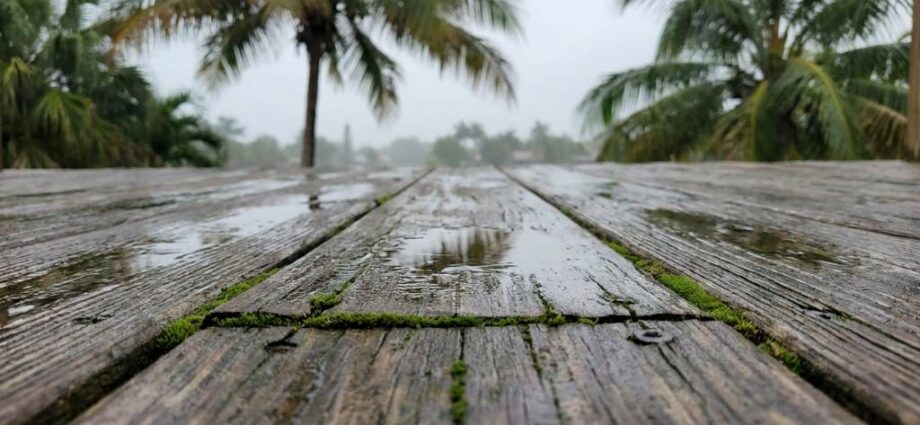
Your Miami lanai floor rots fast because extreme subtropical humidity and trapped condensation saturate subfloor framing. In addition, poor ground clearance and insufficient board spacing prevent timber from drying out after tropical storms. Installing rot-resistant materials and elevating joists halts destructive fungal decay permanently.
South Florida receives over 60 inches of driving rainfall across prolonged summer storm seasons. Furthermore, regional relative humidity levels consistently hover near 80 percent throughout coastal residential zones. Homeowners evaluating the structural difference between deck and patio bases must account for extreme coastal dampness. Consequently, enclosed lanai floors trap warm moisture against unventilated wood framing members. Understanding aggressive moisture dynamics protects outdoor timber floors from expensive structural failure.
Key Takeaways
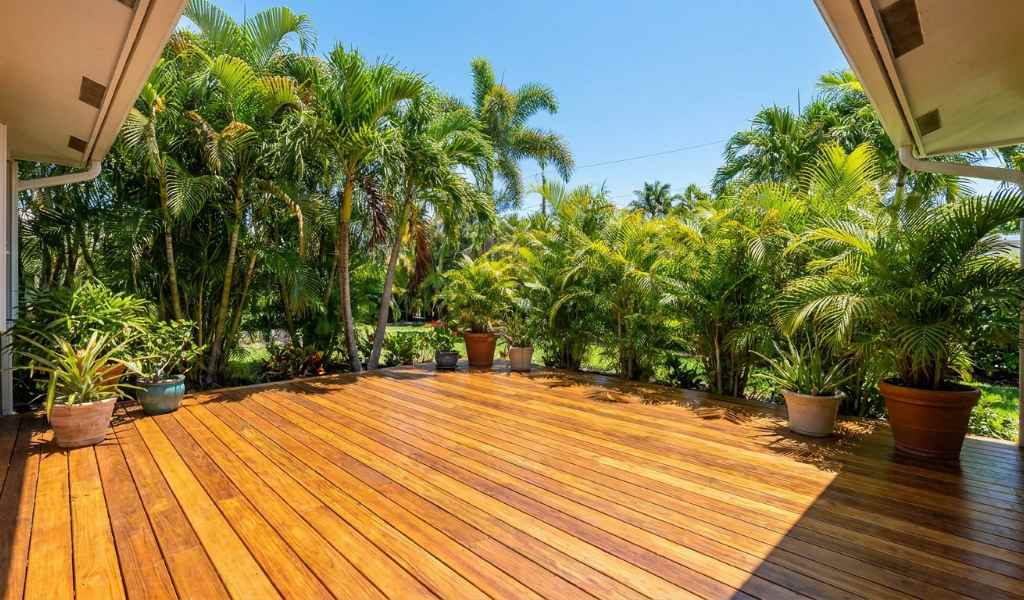
- Ground clearance: Maintain at least twelve inches of open ventilation space beneath ground-level lanai timber framing.
- Board spacing: Leave quarter-inch drainage gaps between individual floor planks to prevent pooling storm water.
- Material choice: Use marine-grade composite decking or pressure-treated southern yellow pine rated for direct ground contact.
- Flashing barriers: Install thick butyl joist tape along top framing edges before fastening finished floor boards.
- Fastener selection: Secure deck structures with 316-grade stainless steel screws to resist humid salt air corrosion.
Examine Subtropical Humidity and Constant Moisture Traps
South Florida sustains high ambient moisture levels that nourish wood-decaying fungal organisms continuously. Fungi thrive whenever wood fiber moisture content exceeds twenty percent in humid climates. Screened lanai enclosures block direct wind while trapping humid air against damp flooring boards. Consequently, saturated timber framework struggles to release absorbed moisture between afternoon torrential downpours.
In addition, decorative outdoor rugs trap condensation against wooden deck boards for prolonged periods. Moisture migrating upward from wet concrete slabs becomes trapped beneath impenetrable vinyl mats. Anaerobic bacteria and white-rot fungi digest wood cellulose behind these unnoticed moisture pockets. Removing saturated floor coverings reveals spongy, discolored flooring boards that require complete structural replacement.
Furthermore, air conditioning condensate drains sometimes discharge moisture directly near outdoor lanai foundations. Persistent trickles of cool water saturate underlying soil, creating a localized swamp beneath framing timbers. Inspect exterior drain lines to ensure clean discharge away from your outdoor enclosure. Eliminating secondary moisture sources significantly extends outdoor wood lifespan.
Prevent Ground Contact Decay and Inadequate Ledger Spacing
Building wooden lanai joists directly over bare dirt or concrete invites rapid microbial decay. Moisture wicks upward through porous concrete footings and penetrates untreated lumber end grain directly. Always isolate structural timber from concrete surfaces using elevated galvanized steel standoff brackets. Standoff brackets keep vulnerable bottom joists dry during sudden seasonal flash flood events.
Attending a vibrant great big home garden exposition reveals modern waterproof structural ledger fastening solutions. Specifically, install thick nylon spacer washers behind ledger boards attached to exterior home walls. Half-inch drainage gaps allow rainwater to cascade freely down wall surfaces without soaking wood. Continuous drainage prevents hidden rot from invading adjacent interior house wall framing.
Additionally, wrap all supporting substructure joists with protective self-adhering butyl flashing membrane tape. Butyl joist tape seals screw penetrations against standing rainwater and stops top-down timber decay. Bare joist crowns rot rapidly when tropical downpours settle in recessed screw holes. Flashing tape adds years of reliable service life to exterior lanai framing.
Improve Under-Floor Air Circulation and Ground Drainage
Stagnant air underneath lanai flooring accelerates wood rot by preventing normal evaporation cycles. Therefore, install perimeter foundation vents or decorative lattice panels along bottom skirt boards. Free airflow draws away damp air pockets and dries soaked substructure lumber after heavy rains. Proper passive ventilation keeps substructure humidity levels comparable to surrounding ambient air.
Just as gardeners manage compost kitchen scraps without odor by aerating organic matter, wood requires airflow. Therefore, grade the underlying ground soil beneath your lanai away from the primary residence. Cover bare underlying ground dirt with a heavy six-mil black polyethylene vapor barrier. Top the plastic barrier with crushed pea gravel to suppress ground moisture vapors effectively.
Furthermore, ensure roof gutter downspouts discharge at least five feet away from lanai perimeter walls. Overflowing patio gutters pour sheets of water directly onto unprotected lower framing members. Install underground corrugated drainage pipes to divert stormwater safely into municipal drainage swales. Keeping soil dry under your lanai stops rising dampness from rotting flooring timbers.
Select Marine-Grade Fasteners and Rot-Resistant Deck Materials
Corrosive coastal sea air quickly destroys standard galvanized screws and exterior nails in Miami. Rusting fasteners expand inside wood grain, creating deep cracks that channel rainwater into joist cores. Therefore, build outdoor lanai structures exclusively using 316-grade marine stainless steel fasteners and structural connectors. Stainless steel never corrodes, preserving structural rigidity against extreme hurricane wind loads.
Exhibitors at the annual maryland fall home garden event highlight durable rot-resistant composite exterior building planks. Specifically, capped polymer composite decking contains zero wood fibers and resists tropical fungal decay completely. Composite boards do not warp, splinter, or absorb standing rainwater during prolonged rainy spells. Investing in synthetic composite materials eliminates seasonal floor plank sanding and sealing chores entirely.
If you prefer natural hardwood beauty, choose dense tropical hardwoods like ipe or cumaru. These ultra-dense Brazilian hardwoods contain natural protective oils that resist termite attacks and wood-rotting fungi. Pre-drill all screw holes to prevent splitting dense exotic grain during exterior installation. Natural tropical hardwoods easily endure decades of harsh coastal weather exposure with routine maintenance.
Apply Penetrating Hydrophobic Sealants and Fungicidal Finishes
Standard latex paint forms a brittle surface film that cracks under intense subtropical sunshine. Rainwater slips behind tiny paint cracks and becomes trapped against raw wood grain beneath. Consequently, trapped water accelerates rapid internal wood rotting while the surface paint appears intact. Homeowners must avoid non-breathable exterior paints on horizontal outdoor lanai walking surfaces.
Instead, apply deep-penetrating oil-based sealants formulated with active mold and mildew inhibitors. Penetrating paraffin or alkyd oils saturate wood fibers, repelling liquid moisture while allowing timber to breathe. Moisture that enters can evaporate naturally during hot sunny spells without blistering the exterior finish. Reapply high-performance penetrating wood sealants every twelve to eighteen months for continuous protection.
Additionally, choose tinted translucent wood stains over completely clear water-repellent sealers. Concentrated color pigments deflect damaging ultraviolet rays that break down protective natural wood lignin fibers. Preserving wood fiber integrity prevents surface checking and splintering caused by harsh tropical sun exposure. UV protection preserves wood density and structural stability over many humid seasons.
Implement Routine Cleaning and Debris Extraction Protocols
Falling palm debris, oak leaves, and pollen settle between narrow floor plank gaps each spring. Trapped organic matter decomposes into damp acidic compost that retains moisture against board edges. Consequently, mold and fungal spores flourish along hidden plank edges where sunlight never reaches. Keeping gaps completely clear allows rainfall to drain swiftly through lower drainage channels.
Clean out packed gap debris twice annually using a stiff putty knife or specialty decking tool. Follow mechanical debris clearing with a thorough wash using a mild sodium percarbonate oxygen bleach cleaner. Oxygen bleach eradicates living mildew colonies without damaging surrounding plants or discoloring rich wood fibers. Rinse thoroughly with low-pressure water from a standard residential garden hose nozzle.
Finally, inspect perimeter floor edges where insect screens meet aluminum door tracks every month. Screen splines can trap rain runoff, funneling moisture directly onto end-grain wood flooring boards. Seal aluminum base channels with durable polyurethane caulk to create watertight exterior transitions. Diligent cleaning habits ensure your Miami lanai floor remains sound and beautiful indefinitely.
Conclusion
Stopping premature lanai floor rot in Miami requires proactive moisture management and resilient building materials. By improving subfloor air circulation, applying flashing tape, and utilizing stainless fasteners, you stop structural rot. These durable improvements safeguard your outdoor investment against intense subtropical storms and coastal humidity.
Take decisive action to preserve your outdoor living comfort before tropical downpours cause irreversible timber decay. Inspect bottom framing joists, clear accumulated gap debris, and reseal weathered wood planks this week. Contact a licensed Florida deck builder to upgrade your lanai flooring with permanent rot-resistant solutions today.
FAQs
Why do outdoor lanai floors rot faster in Miami?
Miami floors rot faster due to constant high humidity, heavy rainfall, and poor under-deck ventilation.
Can I install indoor-outdoor rugs over a wood lanai floor?
Rugs trap storm moisture against timber boards, accelerating hidden fungal decay and severe wood rot.
What screws should I use for a coastal Florida lanai?
You should use 316-grade marine stainless steel screws to prevent salt air corrosion and failure.
How much space should remain between lanai floor boards?
Leave at least one-quarter inch of space between boards to promote proper rainwater drainage.
Does pressure-treated wood rot in subtropical Florida climates?
Pressure-treated wood can rot if placed in direct ground contact without adequate air ventilation.