










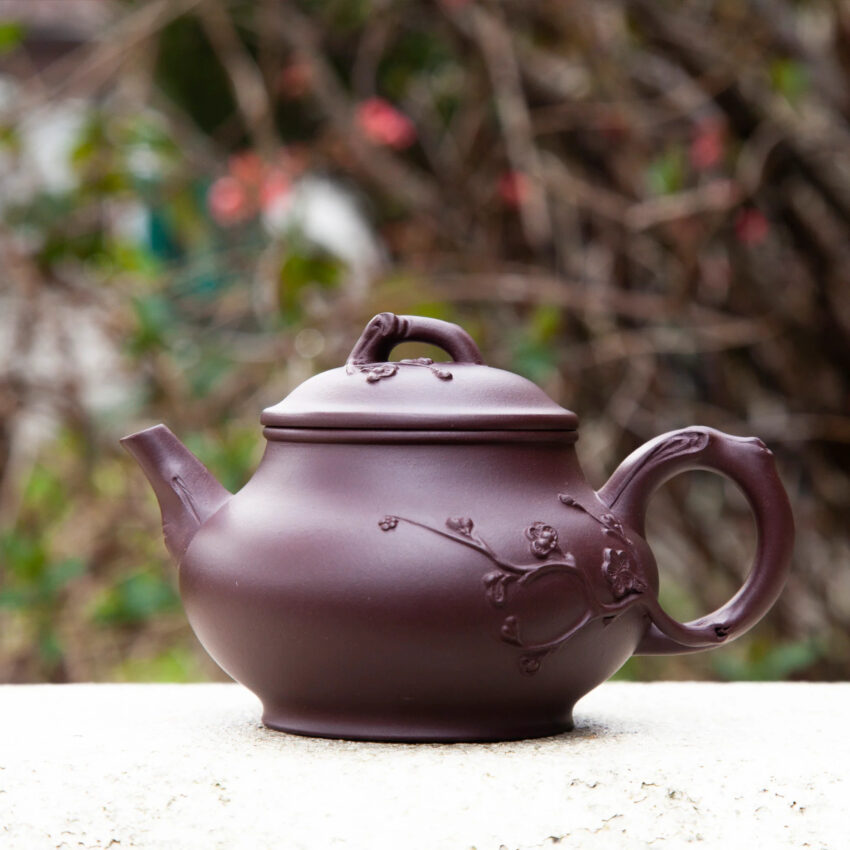
A teapot is a great aid for the tea drinker. It allows the user to brew tea in a way that leaves the tea leaves unfettered and free from the bitterness of oxidized flavors. It also leaves the choice of tea leaves to the user.
However, there is another type of teapot that exists: Vents. We’re talking about vent holes or openings in the base of a teapot that allows air to enter and exit the pot while brewing tea. What are they? Why are they important? And most importantly, how can you use them? Let’s dive into this fascinating world of teapot vents and find out!
What are teapot vent holes?

Teapot vent holes are small openings found on the lids of teapots that serve a specific purpose. They allow air to enter the pot, which prevents the spout from dripping excessively. Antique teapots often have more irregular vent holes, indicating a higher level of craftsmanship and historical value. These holes are a topic of frequent discussion in tea forums, where tea enthusiasts debate the merits of various designs. Teapots also come in different materials, sizes, and finishes, all contributing to a unique tea-drinking experience. The handle, thumbpiece, and sockets connecting the handle to the pot also play a critical role in the overall design and function of the teapot. Teapots with vent holes are just one aspect of the fascinating world of tea culture.
Why are teapot vent holes important?
Teapot vent holes serve a vital purpose in teapot design. They prevent spout dripping, which can ruin the aesthetics of a properly poured cup of tea. The vent hole is also essential during the brewing process – it allows hot air to escape during steeping, preventing the teapot from boiling over. Antique teapots often have uneven vent holes, indicating their age and uniqueness. It’s an election between functionality and aesthetics, and some ceramic or porcelain teawares may also feature this hole. Developed during the Ming Dynasty, the teapot has undergone a wide range of changes in design over the years, making the teapots more valuable as they age. A teapot’s age and value increase along with the beauty of its design and the quality of the material.
Benefits of using teapot vent holes
The use of teapot vent holes is an essential feature of teaware, and it comes with many benefits. For example, it prevents dripping and splashing during pouring, which ensures the liquid goes into the cup rather than onto the table. Some antique teapots have uneven holes leading to the spout, which is an indicator of their age and craftsmanship. Furthermore, teapots and kettles typically have a lid with an air hole to prevent the spout from dripping when pouring out the tea or water. This feature is especially important since it helps to control the flow of liquid and can prevent disasters such as spills, scalds, or burns, which are common in any household kitchen or dining setting. In short, teapot vent holes are a must-have feature for any teapot or kettle because of their practical benefits and added convenience.
Potential problems with teapot vent holes
Teapot vent holes are a crucial component that can impact the taste and flow of your tea. Antique teapots have uneven vent holes, while modern ones have perfect, rounded ones. Some teapots also have a small air hole in the lid, which helps prevent dripping and splashing.
Discussions on teapot vent holes can often be found in online tea communities. Improperly placed or sized vent holes can negatively affect the flow and flavor of your tea. This is an important aspect to consider when evaluating the authenticity and value of an antique teapot.
When purchasing a teapot, it’s important to pay attention to the vent holes and ensure they are properly placed and sized. While antique teapots with uneven vent holes may have unique historical value, they may not necessarily be the best option for brewing a perfect cup of tea. Modern teapots with rounded vent holes and air holes in the lid are likely to provide a better brewing experience.
How to make use of teapot vent holes?
Teapot vent holes, also known as air holes, can be found in the lid or the spout of teapots. They serve multiple purposes – one of them is to prevent spout dripping while serving. The air hole in the lid ensures that air can pass through the pot, allowing the liquid to pour out smoothly without splashing or getting stuck. The hole in the spout helps create a ‘pool’ of surface tension around the indent, preventing liquid from running down the side of the pot. Some teapots even have a strainer built in on the inner edge of the spout. When pouring tea, these holes also prevent splashing and provide a smoother pour. Teapots come in different sizes, materials, and finishes, with various parts such as the handle, thumbpiece, sockets, and vent holes, making them a versatile tool for serving hot beverages.
Conclusion
Teapot vent holes are a simple yet effective way to improve the aeration and ventilation of tea. Venting tea allows air to flow into the teapot and creates a more stable environment for the tea leaves. This helps to ensure that the tea is brewed evenly and avoids over-brewing. Besides, it also ensures that the tea leaves are exposed to the optimal amount of heat and moisture (which is essential for maximizing flavor). With this, we hope you now understand why teapot vent holes are such an important part of tea preparation. Comment below if we have missed any aspect related to teapot vent holes or if there is anything else that you would like us to explain in our next blog!
If you want to read more click here