




As the chill of winter settles in, fireplaces become more than just cozy focal points; they’re potential heat sources that can significantly impact your energy bills. However, not all fireplaces are created equal when it comes to efficiency, and the type of fireplace fuel you choose can also play a big role. By implementing a few strategic tips, you can transform your fireplace into a lean, mean, heat-generating machine that keeps you warm and your wallet happy.
Understanding Fireplace Fuel Efficiency: More Than Meets the Eye
Before diving into the tips, it’s important to understand the concept of fireplace efficiency. Simply put, efficiency refers to how much of the fuel’s potential energy is converted into usable heat within your home. Traditional open fireplaces are notorious for their low efficiency, with a staggering 80-90% of heat escaping up the chimney. This translates to wasted money and missed opportunities for warmth.
Tip 1: Upgrade Your Fireplace Insert
One of the most impactful upgrades you can make is switching to a high-efficiency fireplace insert. These inserts are essentially self-contained fireboxes that fit within your existing fireplace. They are designed with features like airtight construction, advanced combustion systems, and better insulation, all of which contribute to capturing and radiating more heat into your living space.
Tip 2: Choose the Right Fuel
The type of fuel you use plays a crucial role in efficiency. For wood-burning fireplaces, seasoned hardwood like oak, maple, or birch burns longer and hotter, maximizing heat output. Avoid softwoods like pine, which burn quickly and produce less heat. For gas fireplaces, consider models with intermittent pilot ignition (IPI) instead of standing pilot lights. IPI systems only ignite the pilot light when needed, saving energy and money.
Tip 3: Master the Art of Airflow
Proper airflow is essential for efficient combustion. Before starting a fire, open the damper fully to allow smoke and gases to escape. Once the fire is established, adjust the damper to control the burn rate and heat output. A slightly open damper will encourage slower, longer burns. Remember to close the damper completely when the fire is out to prevent warm air from escaping up the chimney.
Tip 4: Embrace Zone Heating
Zone heating is a smart strategy that involves heating only the areas of your home you’re using. Instead of relying on your central heating system to heat the entire house, use your fireplace to warm the main living areas. Turn down the thermostat in other rooms to conserve energy. This approach can be particularly effective with fireplace inserts, which distribute heat more evenly.
Tip 5: Regular Maintenance is Key
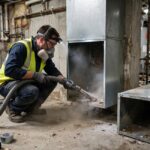
A well-maintained fireplace burns more efficiently and safely. Schedule annual inspections and cleanings to remove soot, creosote buildup, and debris that can hinder airflow and combustion. Ensure the chimney is clear of obstructions like bird nests or leaves.
Additional Tips for Fireplace Fuel Efficiency:
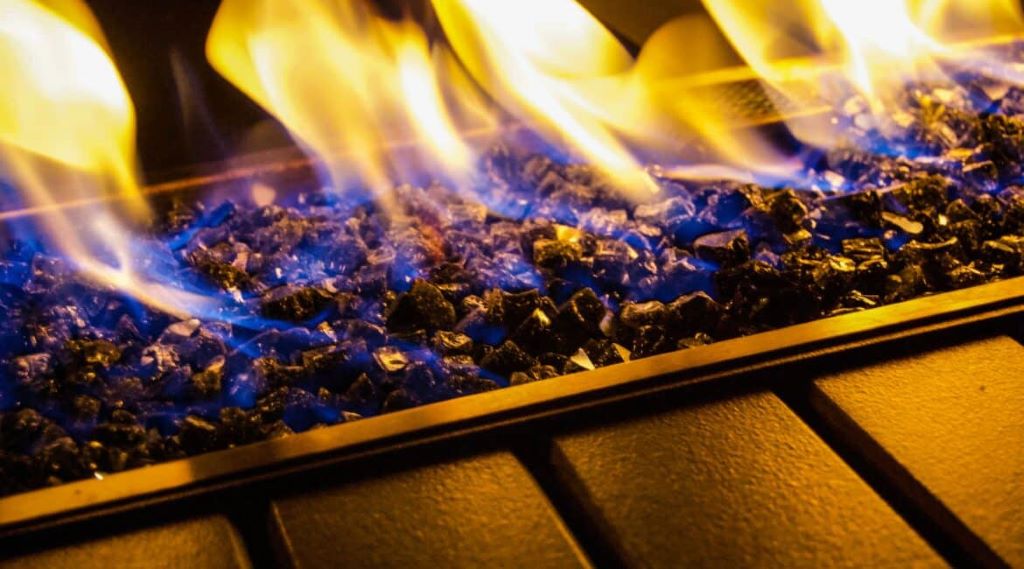
- Use a fireplace screen: A screen helps radiate heat into the room while preventing sparks and embers from escaping.
- Burn smaller, hotter fires: Instead of one large fire, build smaller, hotter fires that burn more completely and produce less smoke.
- Install a blower: A fireplace blower can help circulate warm air throughout the room.
- Consider a chimney top damper: This device helps seal the chimney when not in use, preventing heat loss.
Shockproof Your Home: Actionable Guide to Safeguarding Your Electrical System
The Financial Impact of Fireplace Fuel Efficiency
By adopting these fuel-saving strategies, you can expect to see a noticeable reduction in your heating costs. The amount saved will vary depending on factors like the type of fireplace, fuel used, and climate, but many homeowners report savings of 20-40% on their energy bills. With a warmth wonders fireplace, these strategies can be even more effective, maximizing efficiency and comfort in your home.
Related: CARPET CLEANING SERVICES FOR COMMERCIAL SPACES: A COMPREHENSIVE GUIDE
Beyond Savings: Environmental Benefits
Not only does fuel efficiency save you money, but it also reduces your carbon footprint. By using less fuel, you’re contributing to a cleaner environment and a more sustainable future.
Your fireplace has the potential to be more than just a decorative element. With a bit of knowledge and effort, you can turn it into an efficient heat source that enhances your comfort and saves you money.