











In an era of mass production and fleeting trends, the desire for a home that reflects individuality and warmth is stronger than ever. Handmade rugs, with their intricate designs, rich textures, and unique stories, offer an unparalleled opportunity to infuse personality and soul into your living spaces. More than just floor coverings, these artisanal pieces are investments in craftsmanship, sustainability, and a timeless aesthetic that can transform a house into a truly personalized haven. As we delve deeper into 2025, the appreciation for authentic, handcrafted items continues to grow, making handmade rugs a cornerstone of considered interior design.
This comprehensive guide will explore the myriad ways to style your home with handmade rugs, creating spaces that are not only visually stunning but also deeply reflective of your personal taste and lifestyle. We’ll uncover the latest trends, practical selection tips, and the enduring benefits of choosing a rug that’s as unique as you are.
The Enduring Allure: Why Choose Handmade Rugs?
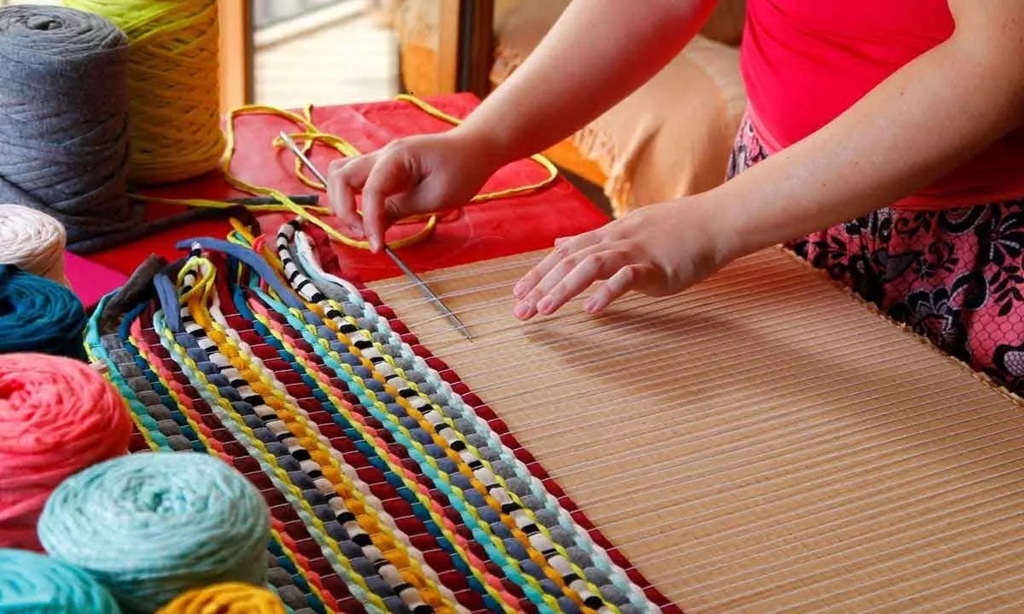
Before we explore styling specifics, it’s crucial to understand what makes handmade rugs so special. Unlike their machine-made counterparts, each handmade rug is a labor of love, often taking months, or even years, to create. This meticulous process, whether it’s hand-knotting, hand-tufting, or flat-weaving, imbues the rug with a distinct character and durability that mass-produced items simply cannot replicate.
The Soul of Craftsmanship and Uniqueness: Every knot, every weave, tells a story of tradition, skill, and artistic expression. Minor imperfections, far from being flaws, are hallmarks of the human touch, ensuring that no two handmade rugs are exactly alike. This inherent uniqueness means your chosen rug is a one-of-a-kind piece of art for your floor, instantly elevating the exclusivity of your décor. Trends for 2025 emphasize this desire for authenticity, with homeowners increasingly seeking pieces that have a narrative and a sense of heritage.
Durability and Longevity for a Sustainable Choice: Crafted from natural materials like wool, silk, cotton, and jute, handmade rugs are renowned for their resilience. High-quality wool rugs, for instance, can last for generations, becoming cherished heirlooms. This longevity makes them a sustainable choice, reducing the need for frequent replacements and contributing to a more eco-conscious home. The focus on natural fibers and sustainable materials is a key trend highlighted for 2025, aligning perfectly with the ethos of handmade rug production. Many artisans also utilize natural dyes, further minimizing environmental impact and creating rich, complex colors that age beautifully over time.
Weaving Your Personal Narrative: Selecting the Perfect Handmade Rug
Choosing a handmade rug is a deeply personal journey. It’s about finding a piece that resonates with your aesthetic sensibilities and enhances the existing character of your home.
Understanding Materials and Their Impact:
The material of your rug significantly influences its texture, durability, and care requirements.
- Wool: A popular choice for its softness, durability, and natural stain resistance. Wool rugs are ideal for high-traffic areas like living rooms and hallways, offering warmth and a luxurious feel. They are also excellent at retaining their shape and color.
- Silk: Known for its exquisite sheen and delicate texture, silk rugs are often used as statement pieces in low-traffic areas like bedrooms or as wall hangings. They exude luxury and sophistication.
- Cotton: Often used for flat-weave rugs like dhurries and kilims, cotton offers a softer feel than jute and is generally more affordable than wool or silk. Cotton rugs are versatile and come in a wide array of colors and patterns.
- Jute and Sisal: These natural fiber rugs bring an earthy, organic texture to a space. They are durable and work well in casual settings, dining rooms, or as a base layer for smaller, more decorative rugs. The trend towards natural, earthy tones and textures in 2025 makes jute and sisal rugs particularly relevant.
- Recycled and Upcycled Materials: A growing trend is rugs made from recycled fabrics or upcycled materials, appealing to the eco-conscious consumer and often resulting in vibrant, one-of-a-kind designs.
Deciphering Size and Placement for Harmony:
The right rug size can make or break a room’s design. A common mistake is choosing a rug that’s too small, making the space feel disjointed.
- Living Room: Aim for a rug large enough to have at least the front legs of your sofa and armchairs resting on it. For larger rooms, a rug that allows all furniture to sit entirely on it can create a more cohesive and luxurious feel.
- Dining Room: The rug should extend at least 24 inches beyond all sides of the dining table. This allows chairs to be pulled out comfortably without catching on the rug’s edge.
- Bedroom: A popular option is to place a large rug underneath the bed, extending beyond the sides and foot. Alternatively, runners on either side of the bed or a smaller rug at the foot can add warmth and texture.
- Hallways and Entryways: Runners are ideal for these spaces. Ensure they are proportional to the length and width of the hallway.
Pattern, Color, and Style: Reflecting Your Personality:
This is where the fun truly begins. Handmade rugs offer an endless spectrum of patterns, colors, and styles.
- Traditional: Persian and Oriental rugs, with their intricate motifs and rich color palettes, bring a timeless elegance to any space. They can anchor a traditional room or add an unexpected, classic touch to modern décor – a trend that continues to gain traction.
- Geometric and Abstract: For a more contemporary feel, consider rugs with bold geometric patterns, abstract designs, or subtle textures. These can add visual interest without overwhelming the space. The 2025 trends point towards a resurgence of bold patterns and geometric designs, as well as abstract, artistic expressions.
- Bohemian and Eclectic: Kilims, Moroccan Boucherouite rugs (often made from scraps of fabric), or brightly colored tribal designs are perfect for bohemian or eclectic interiors. They add a sense of wanderlust and artistic freedom.
- Minimalist and Scandinavian: Look for rugs with subtle patterns, monochromatic color schemes, or natural textures like high-pile wool or simple jute. Earthy tones like terracotta, olive, sand, and clay are particularly popular for creating tranquil, nature-inspired spaces, a key 2025 trend.
- Maximalism: Don’t be afraid of vibrant colors and bold, oversized patterns if your style leans towards maximalism. A statement handmade rug can be the centerpiece that ties together an exuberantly decorated room.
Styling Secrets: Integrating Handmade Rugs into Your Décor
Once you’ve selected your perfect handmade rug, the next step is to integrate it seamlessly and stylishly into your home.
Layering for Depth and Visual Interest:
Layering rugs is a sophisticated styling technique that adds depth, texture, and a curated feel to any room. This trend allows for greater personalization and can be particularly effective in larger spaces or to define specific zones within an open-plan layout.
- The Base: Start with a larger, neutral rug, often a natural fiber like jute or a simple flatweave. This provides a solid foundation.
- The Accent: Layer a smaller, more patterned or textured rug on top. This could be a vintage kilim, a plush wool rug, or a vibrant silk piece. Ensure the top rug is about two-thirds the size of the base rug for a balanced look.
- Play with Texture and Pattern: Combine different textures, such as a smooth flatweave with a shaggy high-pile rug. Don’t be afraid to mix patterns, as long as there’s a common color thread or a complementary aesthetic. For example, a subtly patterned base can support a more intricate design on top.
- Define Zones: In an open-concept living area, use layering to delineate the seating area from a dining space or a reading nook.
Creating a Focal Point: A striking handmade rug can serve as the focal point of a room, dictating the color scheme and overall mood. If your rug is bold and vibrant, keep the surrounding furniture and décor relatively understated to allow the rug to shine. Conversely, a neutral rug can provide a calming backdrop for more colorful furniture and accessories. The 2025 trend of maximalist interiors making a comeback supports the use of rugs with bold patterns as focal points.
Related: From Rags to Rugs: Your Ultimate Guide to Crafting Cozy Comfort
Harmony and Contrast: The Balancing Act:
Successful styling often lies in achieving a balance between harmony and contrast.
- Color Coordination: Pick out one or two accent colors from your rug and repeat them in cushions, throws, artwork, or decorative objects throughout the room. This creates a cohesive and intentional look. Alternatively, if your room has a dominant color, choose a rug that incorporates that color or offers a complementary hue.
- Texture Play: Contrast the texture of your rug with other surfaces in the room. A plush, high-pile wool rug can soften a room with a lot of hard surfaces like concrete floors or metal furniture. A smooth, flatweave kilim can add a touch of rustic charm to a room with velvet or leather upholstery.
- Style Fusion: Don’t be afraid to mix styles. A traditional Persian rug can look stunning in a modern, minimalist setting, adding warmth and character. Similarly, a contemporary abstract rug can inject personality into a more traditional space. This juxtaposition often creates the most interesting and personalized interiors.
Beyond the Floor: Rugs as Wall Art:
Think outside the box! Smaller, intricately designed handmade rugs, particularly kilims or silk pieces, can be hung on the wall as unique and captivating tapestries. This is an excellent way to showcase their artistry and add an unexpected textural element to your vertical spaces.
Caring for Your Investment: Maintaining the Beauty of Handmade Rugs
Handmade rugs, while durable, require proper care to maintain their beauty and longevity.
Regular Maintenance:
- Vacuuming: Vacuum your rug regularly (once or twice a week for high-traffic areas) using a suction-only attachment. Avoid using a beater bar or power brush, as this can damage the fibers, especially on delicate or antique rugs.
- Rotation: Rotate your rug 180 degrees every 6-12 months to ensure even wear, especially if it’s in a sunny spot or receives uneven foot traffic.
- Padding: Use a quality rug pad underneath your handmade rug. This prevents slipping, provides extra cushioning, protects the rug from wear, and can help with noise absorption.
Dealing with Spills and Stains:
- Act Quickly: Address spills immediately to prevent them from setting.
- Blot, Don’t Rub: Gently blot liquid spills with a clean, absorbent white cloth, working from the outside of the spill inward. Rubbing can spread the stain and damage the fibers.
- Mild Cleaning Solutions: For most common spills on wool rugs, a solution of lukewarm water and a small amount of mild dish soap can be effective. Always test any cleaning solution on an inconspicuous area of the rug first. Avoid harsh chemicals or detergents.
- Professional Cleaning: For deep cleaning or stubborn stains, it’s always best to consult a professional rug cleaner experienced in handling handmade rugs. They have the expertise and specialized equipment to clean your rug safely and effectively, typically recommended every 1-3 years depending on usage.
Protecting from Sun and Pests:
- Sunlight: Prolonged exposure to direct sunlight can cause fading over time. Use blinds or curtains during peak sun hours, or consider applying a UV-protective film to your windows.
- Pest Prevention: Regularly inspect your rugs, especially wool and silk, for any signs of moths or carpet beetles. Regular vacuuming, including the back of the rug and the area underneath, can help prevent infestations.
By investing time in understanding their unique qualities and employing thoughtful styling techniques, you can transform your living spaces into true reflections of your personality and taste. A handmade rug is more than just a decorative item; it’s a piece of art, a story woven in threads, and a timeless addition that will bring warmth, character, and a deeply personal touch to your home for years to come.
Related: Sparkling Carpets Made Easy: Find the Perfect Cleaning Solution
People Also Ask (FAQs)
Q1: Are handmade rugs worth the investment?
A1: Absolutely. Handmade rugs are a significant investment in quality, durability, and artistry. Unlike machine-made rugs, they often appreciate in value over time, especially if well-maintained. Their unique character, longevity (often lasting generations), and use of natural, sustainable materials make them a worthwhile addition to any home seeking a personalized and timeless aesthetic.
Q2: How can I tell if a rug is truly handmade?
A2: Look for these signs: * Fringes: On a hand-knotted rug, the fringes are an integral part of the rug’s foundation, not sewn or glued on. * Backside: The pattern on the back of a hand-knotted rug will be a near mirror image of the front, and individual knots will be visible and slightly irregular. Machine-made rugs often have a more uniform, grid-like backing or a secondary backing material. * Irregularities: Slight variations in color, pattern, and knot size are hallmarks of a handmade rug, reflecting the human touch. Machine-made rugs are perfectly uniform. * Material: Handmade rugs are typically crafted from natural fibers like wool, silk, or cotton.
Q3: What are the best handmade rug materials for high-traffic areas?
A3: Wool is generally considered the best material for high-traffic areas due to its natural resilience, durability, stain resistance, and ability to bounce back from crushing. High-quality hand-knotted wool rugs can withstand significant foot traffic for decades. Dense cotton flatweaves can also be a good option.
Q4: Can I layer handmade rugs on carpet?
A4: Yes, you can layer handmade rugs over carpet, though it works best on low-pile carpets. Ensure the top rug is secure and doesn’t create a tripping hazard. A rug pad designed for use on carpet can help keep it in place. This technique can add texture, color, and definition to a carpeted room.
Q5: What are the key handmade rug trends for 2025?
A5: Key trends for 2025 include: * Natural and Earthy Tones: Colors like terracotta, olive green, sand, and clay, bringing a sense of calm and connection to nature. * Sustainable and Natural Materials: Continued emphasis on wool, jute, sisal, and organic cotton, reflecting eco-conscious choices. * Bold Patterns and Geometrics: A move towards more expressive décor, with rugs featuring striking geometric designs and abstract artistry. * Maximalism: Embracing vibrant colors and intricate patterns that make a statement. * Layering: Combining different textures and sizes to create depth and personalized looks. * Texture Play: High-pile, shaggy rugs, and mixed-material weaves for tactile interest. * Vintage and Artisan-Inspired: A strong appreciation for the unique character and story behind vintage and traditionally crafted handmade rugs.
Q6: How do I clean an antique handmade rug?
A6: Antique handmade rugs require very gentle care. Regular, light vacuuming with a suction-only attachment is essential. For spills, blot immediately with a clean, dry cloth. Avoid using water or any cleaning solutions unless you are certain they are safe for the specific fibers and dyes; it’s highly recommended to consult a professional cleaner specializing in antique rug restoration and cleaning for any significant cleaning needs.
Q7: Where can I buy authentic handmade rugs?
A7: Look for reputable specialist rug dealers, antique shops, or directly from artisan cooperatives or fair-trade organizations if possible. Online marketplaces can offer a wide selection, but research sellers carefully, check reviews, and ask for detailed information about the rug’s origin, materials, and construction. Many reputable dealers provide certificates of authenticity.
Conclusion
Styling your home with handmade rugs is an invitation to embrace artistry, history, and profound personal expression. These are not mere accessories but foundational elements that can anchor a room, tell a story, and infuse your living spaces with a unique warmth and character that mass-produced items simply cannot emulate. From the vibrant, intricate patterns of a Persian heirloom to the earthy, grounding texture of a jute flatweave, each handmade rug carries the imprint of its maker and the soul of its tradition.
As we’ve explored, the journey involves more than just selecting a beautiful piece; it’s about understanding the interplay of materials, the impact of size and placement, and the creative possibilities of layering and color coordination. By embracing the trends of 2025 – the lean towards natural materials, bold expressions, and sustainable choices – while staying true to your individual style, you can create a home that is not only aesthetically pleasing but also a deeply resonant sanctuary. A handmade rug is an investment in beauty, durability, and a personalized touch that will enrich your home for many years, becoming a cherished part of your family’s story.