






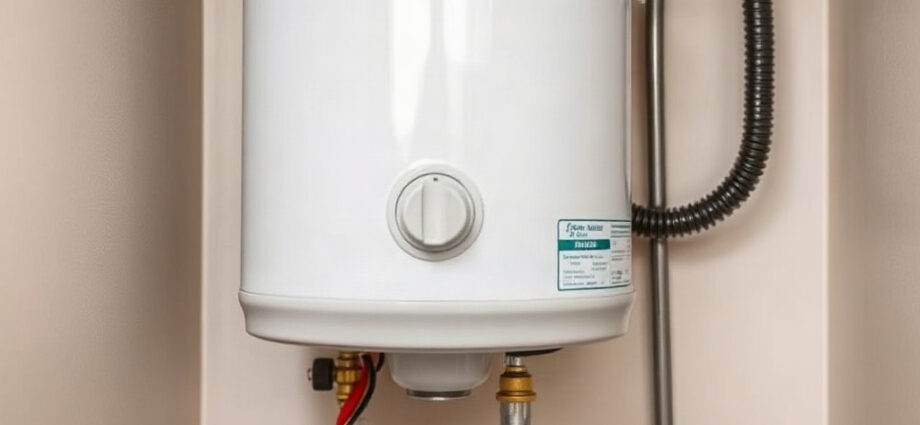
That rumbling, popping, or banging sound coming from your utility closet is rarely random. Water heater making noise is one of the most common service calls plumbers receive, and the sound itself often points to a specific cause.
Quick answer: Most water heater noise comes from sediment buildup, trapped air, or a failing heating element. Flushing the tank solves many rumbling and popping cases. Banging or hammering sounds usually point to pressure problems or loose pipes that need a plumber’s attention.
This guide explains what each sound means, why it matters for your safety and energy bills, and which fixes you can do yourself.
What is water heater making noise?
Water heaters produce sound because they heat, store, and move water under pressure. Any change in that process creates a symptom you can hear. Homeowners often describe the noise differently, and the description is a useful diagnostic clue.
Timing narrows the diagnosis as much as tone does. A pop that begins thirty seconds after the burner lights points to sediment on the tank floor, because the water directly above the flame boils first. A hiss that starts only when a hot faucet opens suggests a restriction or a failing element rather than the tank itself.
Location matters too. Put a hand on the tank and on the nearby pipes while the noise occurs. If the vibration travels through the copper, the cause is likely in the plumbing or the expansion tank, not the heater’s interior.
The common sounds and what they suggest
- Popping or crackling: Sediment on the tank bottom traps water underneath. Each heating cycle turns that trapped water to steam, and the pop you hear is a small steam bubble collapsing.
- Rumbling or a deep growl: That same sediment layer acts as insulation. The burner works harder, and the sound gets louder and lower over time.
- Banging or hammering: Usually water hammer, caused by sudden valve closures or loose pipes vibrating against framing.
- Hissing or a high-pitched whistle: Often a failing heating element in an electric unit, or a pressure relief valve releasing steam.
- Ticking or tapping: Expanding metal parts, loose pipe straps, or scale breaking loose inside the tank.
Gas and electric units fail differently
A gas water heater with a sediment problem rumbles heavily because the burner fires beneath a hard crust. An electric one pops more sharply as scale coats the lower element. Tankless units make a different complaint: sound—a rushing or vibrating noise from scale in the heat exchanger.
A faint pop during heat-up often means minor sediment. A constant rumble under nearly every cycle usually means a thick layer that has been building for years.
The key takeaway: identify the sound first, then match it to a cause. Guessing wastes money on the wrong repair.
Why water heater making noise matters

A noisy tank is not just an annoyance you learn to live with. The underlying cause affects efficiency, lifespan, and in some cases safety.
Noise also carries information about your home’s plumbing as a whole. A hammering sound that appears only after a washing machine finishes its cycle points to a fast-closing solenoid valve, while a rumble that follows every hot-water draw suggests the tank is struggling to recover. Fixing the plumbing cause often quiets the heater as a side benefit.
Insurance and inspection records are another reason to act. Many home inspectors flag noisy heaters in their reports, and an unresolved rumble can complicate a sale or a home warranty claim. A documented annual flush, with a date scribbled on the tank, shows a buyer or adjuster that the unit received care rather than neglect.
Sediment drives up your energy bill
Scale insulates the water from the heat source. The unit runs longer to reach the set temperature, and those extra minutes of firing add up month after month. Hard water speeds this up dramatically. If your area’s water carries a lot of calcium, sediment can build a visible layer within two to three years.
Small sounds turn into expensive failures
Here is how one problem escalates:
- Sediment settles and starts popping.
- The scale hardens into a crust along the tank floor.
- Localized overheating weakens the steel or the element.
- The tank leaks at a seam, or the element fails completely.
- You pay for a full replacement instead of a routine flush.
Some noises signal a safety concern
Banging usually means pipes are taking a pressure shock. A hissing pressure relief valve can mean excessive internal pressure, which is a genuine risk. A gas unit that makes a loud roar or smells odd deserves immediate professional attention—shut off the gas and call for service.
Key takeaway: Treat noise as an early warning system. Addressing it early protects your wallet and your household.
Best practices
You can prevent most noise problems with a few repeatable habits. None of these require special tools beyond a garden hose and basic hand tools.
Track what you do. Write the flush date and anode condition on a piece of tape stuck to the tank, and photograph it if you plan to sell the house. A simple maintenance log turns a vague memory into evidence that the unit was cared for, which matters at inspection time and when a warranty claim is questioned.
Watch the drain valve during each flush. If the flow slows to a trickle, sediment has packed the opening and may need to be broken up with a short burst of pressure from the supply side. Never poke a wire or screwdriver into the valve; that scores the seat and creates a leak you cannot stop.
Flush the tank annually
Drain the tank once a year to clear loose sediment before it hardens. Attach a hose to the drain valve, run it to a floor drain or outdoors, and let the water flow until it runs clear. For hard-water homes, flush every six to eight months instead.
Check and replace the anode rod
The anode rod sacrifices itself to protect the tank from rust. Once it is consumed—usually after three to five years—the steel tank starts corroding. Pull the rod periodically and swap it when the core is exposed.
Fix water hammer properly
Install a water hammer arrestor near offending fixtures. Secure loose pipes with insulated straps, and check that the air chamber or expansion tank still works.
Practice sound hygiene on the pipes
Insulating hot water pipes reduces the ticking caused by expansion and cuts heat loss at the same time.
Know your unit’s service limits
Most tank heaters last eight to twelve years with regular maintenance. If yours is past a decade and rumbling loudly, weigh repair against replacement carefully.
The first minute of firing tells you the most. If noise begins the moment the burner ignites, sediment is the likely culprit.
Key takeaway: Routine flushing and an occasional anode check prevent the majority of noisy-tank complaints.
Common mistakes to avoid
Well-meaning homeowners often make a noise problem worse. These are the missteps I see most often.
Loosening fittings on a pressurized tank to chase a noise is risky; a fitting that will not reseat turns a minor annoyance into a flooded closet. Equally common is replacing the whole unit before checking the cheap parts—the expansion tank, a thermostatic mixing valve, or a worn dip tube can each produce sounds that mimic a failing heater.
Ignoring the noise until the tank fails
People get used to a rumble and treat it as background noise. By the time a leak appears, the damage is done. Treat persistent noise as a repair request, not a personality quirk.
Skipping the flush because it looks complicated
Flushing takes about 30 minutes and a hose. Avoid the temptation to skip it because the drain valve looks intimidating. If the valve is stuck or already leaking, call a plumber rather than forcing it—a broken valve turns a simple job into an emergency.
Confusing water hammer with a tank problem
Banging that stops when you close a faucet slowly is a plumbing issue, not a heater issue. Replacing the heater will not fix it. Diagnose the pipes first.
Using the pressure relief valve as a drain point
Some guides suggest draining through the relief valve. Don’t. It is a safety device and a poor drain, and sediment can clog it after use.
Turning the thermostat higher to “burn off” noise
This makes the problem worse. Higher temperatures accelerate scale formation and overheating. Keep the tank at a normal setting—around 120°F (49°C) is a common recommendation for household use.
Ignoring gas-specific warning signs
A gas unit that rumbles is one thing. One that makes a sustained roar, smells like gas, or produces soot around the vent needs immediate attention. Never troubleshoot gas components yourself.
Shut off power or gas and call for service if you see water pooling, hear a loud hissing from the relief valve, or notice any gas odor. These are safety issues, not DIY jobs.
Key takeaway: The most expensive mistakes are delays and forced repairs. Recognize what belongs to the tank, what belongs to the plumbing, and what belongs to a licensed technician.
FAQ
Why is my water heater making noise suddenly after years of silence?
A sudden change usually means something shifted: new sediment broke loose, the heating element began to fail, or your water pressure changed. Note when the sound starts—at ignition, during recovery, or after faucets close—because that timing helps a technician diagnose it quickly.
Can I fix a noisy water heater myself, or do I need a plumber?
You can flush the tank, tighten pipe straps, and check the anode rod yourself. If the noise persists, or you suspect an element, valve, or gas issue, hire a licensed plumber. Electrical and gas work carries real safety risk.
How much does it cost to fix a noisy water heater?
Costs vary by cause and region. A flush is usually the lowest-cost service, while element or valve replacement runs higher. Get a written estimate first, and compare it against the cost of replacement if your tank is over ten years old.
Does a noisy water heater always mean it needs replacing?
No. Many noise problems resolve with flushing, a new element, or pipe repairs. Replacement is the sensible call when the tank leaks, is near the end of its service life, or needs repeated costly repairs.
How often should I flush my water heater to prevent noise?
Once a year for average water, every six to eight months if your water is hard. Regular flushing is the single most reliable way to keep popping and rumbling away.
Can hard water cause water heater making noise issues?
Yes. Mineral-rich water deposits scale faster, and that scale is the root of most popping and rumbling. A water softener can slow the buildup considerably.
Conclusion
Noise from a water heater is a message, not just an irritant. Popping and rumbling point to sediment that a yearly flush can control. Banging points to your plumbing, and hissing points to a part that needs professional attention. Handle the cause early and you protect both your energy bill and the working life of the tank.
Your next step: listen to the unit for one full heating cycle, note the sound and timing, and then decide whether a flush or a service call fits. If you are unsure, book an inspection before the noise turns into a leak.