
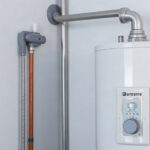


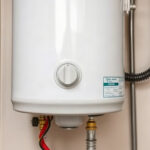





Tankless vs tank is the decision most homeowners face when the old water heater finally gives out. The old tank in your basement holds 40 to 50 gallons at a steady temperature, whether you use it or not. A tankless unit heats water only when you open a tap, so the question becomes whether that on-demand design suits your household and your budget.
Quick answer: Choose a tankless unit if you plan to stay in the home for years and want endless hot water from a small wall-mounted unit. Choose a storage tank if your budget is tight, you need a fast replacement, or you rarely use hot water. Installation cost and available gas capacity matter more than the headline price.
This comparison covers how both systems work, what each costs to buy and run, where each one struggles, and which households get the most value from each choice. You will finish with a clear pick for your own situation.
Side-by-side comparison
Comparison: storage tank vs tankless water heater
The table below compares the two systems on the factors that usually decide the purchase: upfront cost, lifespan, space, hot water output, and maintenance. Prices are typical U.S. ranges and vary by region, fuel type, and installation complexity.
| Factor | Storage tank | Tankless |
|---|---|---|
| Typical unit cost | $600–$1,500 | $1,000–$2,500 |
| Typical installed cost | $1,200–$2,500 | $2,500–$5,000 with upgrades |
| Lifespan | 8–12 years | 15–20 years |
| Space | Closet or basement, 4–6 sq ft | Wall-mounted, about 2 sq ft |
| Hot water supply | Limited to tank capacity | Unlimited, within flow rate |
| Waiting for hot water | None after first draw | A few seconds at the tap |
| Maintenance | Flush sediment yearly | Descaling yearly; filter cleaning |
| Fuel options | Gas, electric, propane | Gas, electric, propane |
Notice the gap between unit price and installed price for tankless. The appliance itself costs more, and installation often adds venting, a larger gas line, or an electrical upgrade. That delta is the real decision point for most buyers.
The payback math looks different depending on where you live. In a warm climate with cheap natural gas, a tankless unit may recover its premium within a decade through avoided standby loss. In a cold region with expensive electricity and a large household, the same unit may never pay back before it needs replacing. Run the numbers with your own utility rates rather than relying on national averages.
Warranty terms also diverge in ways the table cannot capture. Tank manufacturers often split coverage between the tank itself and parts, with the tank portion running longer. Tankless warranties frequently require documented annual descaling to stay valid, so a skipped service year can void coverage on the heat exchanger. Keep receipts for every service visit on either system.
One more factor is noise. A gas tankless unit fires a burner and runs a fan each time hot water is called, which produces a short burst of sound that some homeowners notice in adjacent rooms. A storage tank is nearly silent in normal operation. If the heater sits near a bedroom, that detail can matter as much as efficiency.
Key differences explained
The two systems differ most in how they make hot water. A tank heats a stored volume and keeps it warm all day. A tankless heater raises the temperature as water passes through a heat exchanger, so it never runs out but can be outpaced by demand.
Recovery and supply
A storage tank refills and reheats after each draw, so a long shower can leave the next person with lukewarm water. Tankless units supply hot water continuously, but only up to their flow capacity. A single unit often handles 6 to 9 gallons per minute for gas and less for electric. Run two showers plus a dishwasher and a smaller model may struggle.
Installation demands
Tankless gas units need stainless steel venting and often a 3/4-inch or larger gas line; older homes frequently need a line upgrade. Electric tankless models draw heavy amperage at the panel. Storage tanks usually fit where the old unit stood, and venting is often already in place. This is why the installed cost gap is wider than the retail price gap.
Efficiency and operating cost
Tankless units avoid standby heat loss, so their efficiency ratings run higher, especially for gas. The savings show up clearest in homes with low hot water use, because a tank burns fuel keeping water warm around the clock. A busy household that draws hot water throughout the day narrows that gap.
Lifespan and maintenance
Tankless units commonly last 15 to 20 years with yearly descaling. Tanks last 8 to 12 years, and hard water shortens that. Each system needs annual attention: sediment flushing for tanks, descaling for tankless. Skipping it shortens life for both.
Key similarities

Both systems share more than buyers expect. Each heats water with gas, propane, or electricity, and each carries an energy rating you can compare on the yellow EnergyGuide label. Both need a licensed installer for gas work or new electrical circuits, and both must meet local plumbing and venting codes.
Efficiency standards apply to both. Condensing tankless units and high-efficiency tanks can reach similar ratings, so a modern tank is not automatically wasteful. A well-insulated tank with a good rating can close much of the gap with an entry-level tankless model.
Neither option removes the need for a tempered water supply. Scalding protection, expansion tanks, and pressure relief valves appear on both systems. Budget for those parts regardless of which route you pick.
Both also reward the same habits. Fixing leaky faucets, insulating hot water pipes, and washing clothes in cold water cut hot water use on either system. These steps often save more than the choice between the two heaters.
Both systems depend on the same supporting parts, so budget for them either way. A drain pan and discharge line protect the floor, shutoff valves make future service easier, and a properly sized expansion tank handles pressure changes on a closed system. These accessories cost modest amounts but prevent expensive damage.
Service access matters too. Whichever unit you pick, leave clearance for a technician to reach the anode rod, valves, and connections. A tank wedged into a tight closet or a tankless unit mounted above a shelf invites higher labor charges later. Planning the layout at installation saves money on every future visit.
Pros and cons of each option
The lists below reflect typical households, not edge cases. Your climate, fuel type, and water quality can shift the balance, so weigh each point against your own situation. Where a con applies to you only rarely, it deserves less weight in the final call.
Storage tank pros and cons
Pros
- Lowest installed cost, often half the price of a tankless retrofit
- Fast replacement: most swaps finish in a few hours
- No gas line or venting upgrades in most replacements
- Delivers hot water instantly once the tank is heated
- Works well for low-demand homes, rentals, and tight budgets
Cons
- Standby heat loss lowers efficiency, especially in mild-demand homes
- Hot water runs out during heavy back-to-back use
- Shorter lifespan, so you replace it sooner
- Takes up closet or floor space and holds hundreds of pounds of water
- A leaking tank can cause water damage if it fails unnoticed
Tankless pros and cons
Pros
- Endless hot water within the unit’s flow rate
- Lower standby loss and better efficiency ratings
- 15–20 year lifespan, often double a tank’s
- Frees floor space with a compact wall mount
- Lower operating cost in homes with modest hot water demand
Cons
- High installed cost; venting and gas upgrades add hundreds to thousands
- Limited output: simultaneous fixtures can exceed capacity
- A few seconds of cold water before hot arrives at the tap
- Yearly descaling is needed, and hard water shortens service intervals
- Electric models may require a costly panel upgrade
Which should you choose?
Before you decide, spend an hour on a simple walk-through of your home. Note where the current unit sits, how far it is from the gas meter and an exterior wall, and whether the electrical panel has spare capacity. Those three facts narrow the choice faster than any brochure.
Compare your findings against the pros and cons above, then weigh them with your budget and how long you expect to stay. A short written list of your must-haves keeps the decision grounded when quotes start arriving.
Choose a storage tank if…
A tight budget or a fast replacement points to a tank. If your current unit sits in a closet with existing venting, a like-for-like swap is simple and cheap. Rentals, vacation homes, and one- or two-person households rarely use enough hot water to justify the tankless premium. If you plan to move within a few years, you may not recoup the higher install cost.
Choose tankless if…
You plan to stay long term and want hot water without limits. A household with two or more bathrooms, a large tub, or a habit of long showers gets real value from endless supply. Check your gas meter capacity and venting path before you commit. A qualified installer can confirm whether your home supports a unit or needs upgrades.
Hard water speeds up scale buildup in tankless heat exchangers. Test your water first, and plan on descaling more often if hardness is high.
A middle path worth considering
A heat pump water heater is a third option that uses tank storage with far lower electricity use. It suits mild climates and homes with space around the unit. Compare it against both options if you heat with electricity and care about running costs.
For most buyers, the honest split is simple: tankless wins on space, lifespan, and endless hot water; a tank wins on upfront price and install simplicity.
FAQ
How much more does tankless cost to install?
Expect $2,500–$5,000 installed versus $1,200–$2,500 for a tank. The gap comes from venting, gas line sizing, and electrical work. Get two written quotes before deciding.
Does a tankless heater really save money on bills?
It can, mainly in homes with low hot water use, because it avoids standby loss. A busy household that draws hot water all day sees smaller savings. The payback often takes many years.
Can a tankless unit run two showers at once?
Sometimes. It depends on the unit’s flow rate and the incoming water temperature. Cold climates reduce output. Size the unit for your peak demand, not the average.
How long does installation take?
A tank replacement usually takes a few hours. A tankless conversion often takes a full day or more, especially when venting or gas lines change.
Which lasts longer, tankless or tank?
Tankless units typically last 15–20 years with yearly descaling. Tanks last 8–12 years. Water quality and maintenance shift both numbers.
Conclusion
Tankless vs tank comes down to your timeline, budget, and hot water habits. Tankless rewards long-term owners with space savings, a longer lifespan, and unlimited hot water within its flow rate. A storage tank rewards buyers who need a fast, affordable replacement and steady, simple performance.
Start by checking three things: your gas or electrical capacity, your peak hot water demand, and your water hardness. Then get two written quotes for each option. That short list will tell you which system pays off in your home, and you can book the install with confidence.