



Cold water at the tap is one of those problems that ruins a morning fast. Water heater no hot water issues usually come down to a handful of causes, and many are simple enough to check yourself in under ten minutes. The trick is knowing what to look for before you call anyone.
Quick answer: Start by confirming the pilot light or power supply, then check the thermostat and the breaker. A tripped breaker or a blown pilot light causes most sudden hot water failures, and both are easy to rule out. If the tank is electric and the breaker holds, a failed heating element is the next likely culprit.
This guide walks through the common causes, why they matter, and the best steps to restore hot water. You will also see the mistakes that turn a small fix into a costly repair, plus clear guidance on when a professional is the right call.
What is water heater no hot water?
This phrase describes a specific failure state: the water heater runs but the water at the tap stays cold. The unit may hum, click, or show a warning light. Sometimes it goes completely silent. Either way, no hot water reaches the faucet.
Two main types of water heaters produce this problem, and each fails differently.
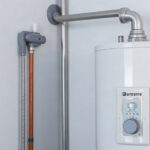
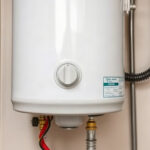
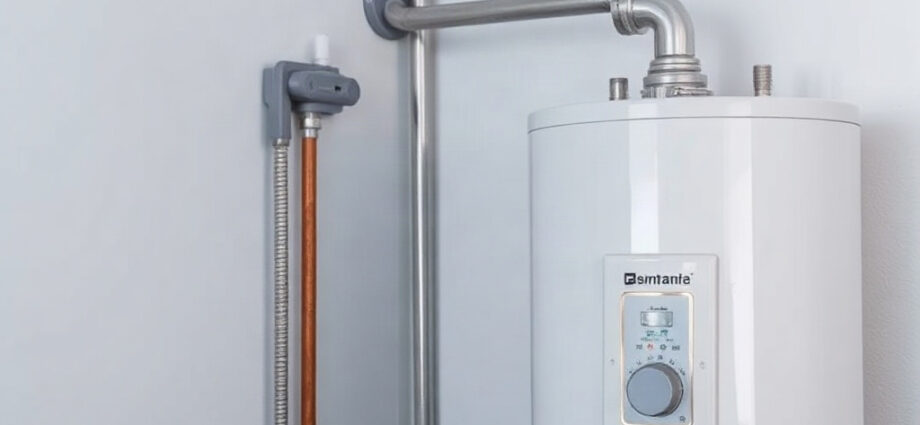
Tank water heaters store hot water in an insulated cylinder. A thermostat tells a gas burner or electric element to fire up when the temperature drops. If the burner never lights or the element never heats, the tank holds cold water. Gas models depend on a pilot light or electronic ignition. Electric models depend on a breaker, a thermostat, and one or two heating elements.
Tankless water heaters heat water on demand. They have no storage tank, so there is no standby hot water. When someone opens a hot tap, a flow sensor triggers the burner. If the flow sensor, igniter, or gas supply fails, you get cold water instantly.
A third scenario is a partly working heater: water is warm but never hot. That often points to a failing thermostat, a sediment buildup in the tank, or one dead element in a two-element electric unit. The top element heats the first few gallons, so a short burst of warm water followed by cold is a common clue.
Gas versus electric symptoms
The symptoms differ enough that it helps to know your model before you start.
- Gas: no hot water, a cold tank, and a pilot that will not stay lit. You may smell gas faintly, or hear the burner click without igniting.
- Electric: no hot water and a breaker that trips repeatedly, or a breaker that stays on while the tank stays cold. A failed element often shows no outward sign.
The difference between “no hot water” and “not enough hot water”
These are separate problems. No hot water means the heater is not heating at all. Not enough hot water means it heats but runs out quickly. A small tank, heavy demand, or a broken dip tube causes the second issue. Treating them as the same thing leads to wasted effort.
On a heater older than about ten years, a failed tank or element often signals that replacement makes more sense than repair. Factor the unit’s age into every decision.
Takeaway: Identify the heater type first, because gas and electric systems fail in different ways and need different checks.
Why water heater no hot water matters

A cold shower is annoying, but the stakes go higher than comfort. Hot water supports cooking, cleaning, laundry, and basic hygiene. Losing it for a day disrupts a household. Losing it for a week can force expensive workarounds like temporary heaters or laundromat trips.
Safety is the bigger concern with gas units. A pilot light that keeps going out may signal a thermocouple failure, a blocked vent, or a gas supply issue. Those conditions can allow carbon monoxide to build up indoors. Any gas smell or repeated pilot failure deserves a technician, not a DIY workaround.
Electric heaters carry their own risks. A failing element or a loose wire can overheat a circuit. A breaker that trips every time you reset it is warning you about a real fault. Ignoring it can damage the wiring and create a fire hazard.
The cost of waiting
Small problems grow. A slow leak from a failing valve rusts the tank base. Sediment that is never flushed hardens and shortens the heater’s life. A minor thermostat fault can leave the unit running constantly, which shows up on your energy bill.
Repair costs vary widely by region and part, so treat any figure as a rough range rather than a quote. What matters is timing. A thermostat or thermocouple replacement is a modest fix. A ruptured tank means a full replacement, plus possible water damage to floors and walls.
When the cause is not the heater at all
Sometimes the heater works fine and the problem sits elsewhere. A broken dip tube sends cold water to the top of the tank. A failed mixing valve at a shower can blend in too much cold water. A closed supply valve can cut flow entirely. Checking these before buying parts saves money and frustration.
Comparison: repair versus replace
| Factor | Repair | Replace |
|---|---|---|
| Unit age | Under 8 years | Over 10 years |
| Problem type | Thermostat, element, valve | Cracked tank, multiple failures |
| Time without hot water | Hours to a day | One to two days |
| Long-term cost | Lower now, may recur | Higher upfront, resets lifespan |
The pattern is clear: fix parts on a younger heater, and weigh replacement seriously once the tank itself fails or repairs stack up.
Takeaway: Treat lost hot water as both a comfort problem and a safety signal, and act quickly on gas or electrical warning signs.
Best practices
A calm, ordered check finds the cause faster than guessing. Work from the simplest possibilities to the more involved ones.
- Confirm the problem is real. Run hot water at two or three taps. If one faucet is cold and others are hot, the issue is that fixture, not the heater.
- Check the power or fuel supply. For gas, confirm the pilot is lit or the ignition clicks. For electric, look at the breaker panel for a tripped switch and reset it once.
- Verify the supply valve is open. A valve turned off during maintenance is easy to forget.
- Inspect the thermostat setting. Someone may have turned it down. Set it to a normal heating temperature and wait an hour.
- Test the heating elements on electric units. A multimeter across the element terminals shows continuity on a working part and nothing on a dead one.
- Flush the tank annually. Sediment insulates the burner from the water and forces the heater to work harder.
Set a maintenance routine
Drain a few gallons from the tank drain valve twice a year. If the water runs clear after a minute, sediment is under control. If it comes out gritty or brown, flush until it clears. Test the pressure relief valve once a year by lifting its lever and letting it snap back. These two habits prevent a large share of avoidable failures.
Know when to test the thermocouple
A gas pilot that lights but will not stay on usually points to the thermocouple. That small sensor tells the gas valve the flame is present. A dirty tip or a worn sensor shuts the gas off as a safety measure. Cleaning the tip sometimes helps. Replacement is a low-cost part swap, but it involves gas components, so many homeowners hand it to a technician.
Mark the water heater breaker clearly in the panel. During a late-night outage, you will not want to guess which switch controls the tank.
Takeaway: A short, ordered checklist catches most common faults, and routine flushing prevents many of them from starting.
Common mistakes to avoid
The wrong response can turn a cheap fix into an expensive one. These errors show up again and again.
Resetting the breaker without investigating. If a breaker trips twice, stop. Repeated resets stress the circuit and hide the real fault. A shorted element or damaged wire needs attention, not another flip of the switch.
Relighting a gas pilot repeatedly without checking the cause. One relight after a brief outage is reasonable. A pilot that dies within hours points to a thermocouple, venting, or gas supply problem. Keep forcing it and you risk an unsafe condition.
Skipping the simple checks. Many “dead” heaters have a closed supply valve or a thermostat set to vacation mode. Confirm the basics before buying parts or booking a service call.
Ignoring the unit’s age. Spending on repairs for a fifteen-year-old tank often makes little sense. Put the money toward replacement instead, and avoid paying twice for the same outcome.
Turning the temperature too high to compensate. Cranking the thermostat past a normal setting raises scalding risk and energy use. It does not fix a weak element or a failing burner.
Dismissing a puddle. Moisture around the base can be condensation, but it can also be a failing tank or a loose fitting. A small leak today becomes a flooded floor tomorrow.
If you smell gas, leave the area and shut off the supply if you can do so safely. Do not relight anything or flip switches. Call your gas provider or a licensed technician.
A practical rule for repair decisions
Add the repair cost to the risk of a second failure. If the total approaches half the price of a new unit, replacement usually wins. Apply the same logic to labor: a technician’s visit costs the same whether the part is small or large.
Takeaway: Avoid repeated resets, endless pilot relights, and repairs on old tanks. Each mistake costs money, and some cost safety.
FAQ
Why is my water heater running but producing no hot water?
The heater can run without heating. On electric models, a failed element or thermostat does this. On gas models, a burner that never ignites leaves the tank cold. Check the breaker or pilot first, then test the thermostat.
How much does it cost to fix a water heater with no hot water?
Costs depend on the failed part and local labor rates. A thermocouple or thermostat is on the lower end. A heating element or gas valve sits higher. Ask for a diagnostic quote before work begins so there are no surprises.
Can I reset my water heater myself?
Yes. Find the breaker, switch it fully off, wait a minute, then switch it back on. If it trips again, stop and call a technician. Repeated resets can damage wiring and mask a serious fault.
How long should I wait after adjusting the thermostat?
Give it about an hour. A tank needs time to heat its stored water, and a tankless unit responds within seconds. If nothing changes after an hour, the problem is not the setting.
Should I repair or replace an old heater with no hot water?
Consider age and the repair type. Units past ten years with a cracked tank or repeated failures are usually better replaced. Younger heaters with a single faulty part are worth repairing.
Conclusion
Cold water from the tap usually traces back to a short list of causes: a tripped breaker, a dead pilot, a failed element, or a thermostat fault. Checking those in order solves most cases quickly. Safety deserves equal weight, so treat gas smells and repeated breaker trips as reasons to stop and call a professional.
Start with the simple checks today. Confirm the power or fuel supply, verify the valve is open, and test the thermostat setting. If the heater stays cold, book a licensed technician and get a quote before authorizing work. That one call protects your home and gets hot water flowing again.