











Struggling with a stripped screw can be a DIY nightmare. The conventional methods may not always work, leaving you pondering alternatives. One such unconventional yet surprisingly effective method involves using glue to free the stuck screw. In this guide, we’ll delve into the intricacies of this technique, exploring its pros, cons, and how to execute it successfully.
The Glue-Driven Rescue: A Twist in the Tale
Analogy: Giving CPR to Your DIY Project
Think of using glue on a stripped screw as giving CPR to your DIY project. It’s a last-resort maneuver that can breathe life back into your task, saving you from the brink of frustration.
Understanding the Stripped Screw Dilemma
Before diving into the glue solution, let’s grasp the challenge at hand. A stripped screw occurs when the screw head becomes worn or damaged, making it challenging to grip with traditional tools.
The Glue Method: How It Works
Analogy: A Helping Hand in Tight Situations
Using glue on a stripped screw is akin to offering a helping hand in tight situations. The glue creates a temporary bond between the screwdriver and the screw, enhancing grip and facilitating removal.
Choosing the Right Glue
Analogy: Picking the Right Tool for the Job
Selecting the right glue is crucial, similar to choosing the right tool for any task. Opt for a strong adhesive like super glue or epoxy. These provide the necessary bonding strength for the temporary fix.
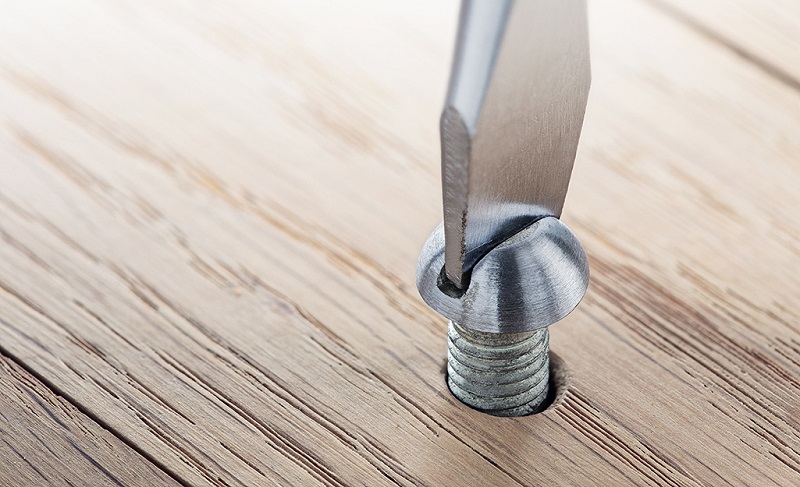
Step-by-Step Guide to Glue-Assisted Screw Removal
Step 1: Clean the Screw Head
Start by cleaning any debris or old glue from the screw head. A clean surface ensures better adhesion.
Step 2: Apply the Glue
Carefully apply a small amount of glue to the stripped screw head. Ensure not to overdo it, as excess glue may create a mess.
Step 3: Insert the Screwdriver
Swiftly insert the screwdriver into the glued screw head. Hold it in place for a few minutes to allow the glue to set.
Step 4: Rotate Slowly
Once the glue sets, rotate the screwdriver slowly in an anti-clockwise direction. The glue’s adhesive properties should enhance grip, facilitating easier rotation.
Step 5: Remove the Screw
With steady pressure and rotation, the glued screw should start to loosen. Continue until the screw is free, and you can proceed with your project.
Pros and Cons of the Glue Method
Analogy: Weighing the Pros and Cons Before a Big Decision
Before deciding on the glue method, weigh its pros and cons like you would before making any significant decision.
Pros:
- Cost-Effective: Glue is an inexpensive solution compared to purchasing specialized tools.
- Accessibility: Glue is readily available in most households, making it a convenient option.
- DIY-Friendly: This method is accessible to DIY enthusiasts with minimal tools.
Cons:
- Mess Potential: Excess glue can create a messy situation, requiring careful application.
- Not Foolproof: The glue method may not work in all situations, especially with severely stripped screws.
- Temporary Fix: This is a temporary solution, and a permanent fix may require further measures.
FAQs: Answering Common Queries
Can any glue be used for this method?
Not every glue is suitable. Opt for strong adhesives like super glue or epoxy for effective results.
Will the glue damage the screw or the material?
When used correctly, the glue should not damage the screw or the material. Careful application is key.
How long should I hold the screwdriver in place after applying glue?
Hold the screwdriver in place for at least a few minutes to allow the glue to set and create a secure bond.
Can I reuse the screw after using the glue method?
In most cases, yes. However, it’s advisable to replace severely damaged screws for a more robust solution.
What if the glue method doesn’t work?
If the glue method fails, consider alternative methods such as using rubber bands, pliers, or specialized screw extraction tools.
Conclusion
While using glue to remove a stripped screw may seem unconventional, it’s a practical DIY trick worth considering. With the right glue and careful execution, you can salvage your project and bid farewell to the frustration of dealing with stubborn screws.