









A garage is a place of refuge, often tucked away from the public eye. If you find yourself trapped in your garage during an outage, you might wonder if it’d be safe to stay. In this blog, we’re telling you that yes, it is, and we’re giving you a step-by-step process on how to do it.
Prepare for Power Outages Now

To properly prepare for power outages, it is vital to have an emergency plan in place. One of the best ways to do so is to open your garage door during power outages to avoid lost business and damage to your property. This will also ensure that your vehicles are not exposed to the elements, which can lead to a litany of damages. Additionally, having alternate sources of power ready in case of a power outage will help you continue with your normal routine without worrying about the inconvenience. It is important to keep important items such as insurance policies, letters, and contracts in a safe place during power outages. This will help you track important information and minimize any confusion caused by the blackout. Finally, it’s essential to warn customers of your power outage policy in advance so they are prepared for the eventuality.
How to Manually Open Your Garage Door from the Inside
If your garage door won’t open during a power outage, there is a simple solution. You can manually open it from the inside using items like a broom handle, screwdriver, or door opener.
The outside release for emergency access should be installed on the garage door opener carriage. This will allow you to re-engage the release mechanism quickly when needed.
You can also use a manual override for extra security. But make sure that you have an alternative access point to your home before leaving the garage in case the power does not come back on after opening the door.
Step 1 – Make Sure Your Door is Closed
In case of a power outage, make sure your garage door is closed and secured properly. Also, check that the garage door is running smoothly after the power has been restored. This will help prevent damage to the opener or the garage door itself.
You can use a manual lock on the door during an outage to ensure it is secure. If you are unable to use a manual lock, you can use a battery-operated alarm to ensure your home is secure during an outage. Knowing how to manually open a garage door is important in case of an emergency situation. An opener should be functional and functioning properly before using it during an emergency situation. Additionally, having an emergency plan in place is essential so that you are able to respond to any type of situation quickly and efficiently
Step 2 – Find the Bypass Handle
All garage doors have an emergency key release for a manual opening during power outages. If the garage door is the only entrance, an emergency key disconnect can be used to manually open the door by pulling a cable. Outside quick-release installation is recommended for garage door access during emergencies, as this provides a quick and easy way to open the door without needing a key. Furthermore, emergency release locks on garage doors are usually flush-mounted and located at the top center of the door, making them easy to find and use in case of an emergency.
In addition to using garages in times of power outages, it’s important to have an emergency preparedness plan in place that outlines how you will respond should a crisis occur. By taking these steps and remaining aware of your surroundings, you can stay safe and secure during any type of power outage.
Step 3 – Pull the Cord for Emergency Release
A garage door opener is a great tool for opening and closing your garage door quickly and safely. But you should be aware of the emergency release feature to ensure it is always ready to help in an emergency.
There is a small red button on the handle of most garage door openers that typically features the letters ‘ER’ or ‘E’ alongside a red circle.
When you are not using the opener, simply press the ‘ER’ button to activate the emergency release feature and open or close your garage door quickly and easily. You can also use this feature to open or close your garage door manually if needed.
It’s easy and convenient, but it’s important to know how to use this feature correctly in case of an emergency. When you’re using the opener, locate the ‘ER’ button under the motor and press it to engage Emergency Release.
Next, pull the manual release cord to disengage the lock for manual opening. If you need assistance with opening the garage door, find the E-rescue for all doors for outside opening and call a professional if that doesn’t work easily.
Step 4 – Find the Lifting Handle and Lift the Door Up
During power outages, it’s important to lower the garage door to prevent potential injuries. To do this, first, make sure the power is off and then use the opener to lower the door as far as it will go. If the door still won’t budge after connecting the opener, try inserting a screwdriver into one of the holes on the edge of the door frame. This should provide enough leverage to open it. After the power has returned, you can reconnect your opener to ensure that it is functional. Finally, if your door is difficult to open or won’t lift during an outage, use an emergency key release on the outside of your door. This will allow you to manually open it easily. By following these steps and using a well-prepared emergency plan, you can minimize any risks during a power outage.
Step 5 – Reconnect the Door to the Power
In Step 5, verify that the door opener is operable and adjust the settings if necessary.
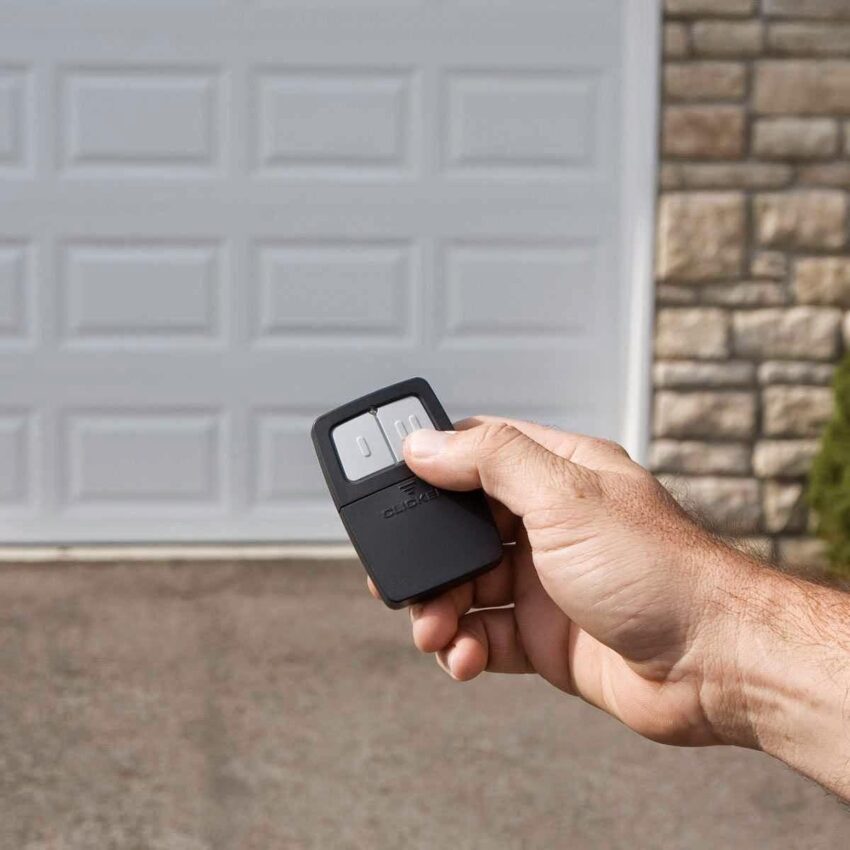
Start by making sure that the remote control works and that all of the switches are set to the desired position. If necessary, use a flashlight to make adjustments to the settings. Once you have verified that everything is working properly, locate and connect the main power supply to the garage door opener.
Once you have connected the power supply, verify that all of the batteries are properly installed and in good condition. After powering on the garage door opener, close the door to turn it off the garage door opener. Finally, reconnect the door to power by reconnecting the black and white wires to the terminals on the garage door opener.
Conclusion
The first thing to do when the power goes out is to ensure you have enough food, water, and a way to stay warm. Once that is taken care of, securing your home against unwanted entry is next on the priority list. But there’s no point in stressing over it when the electricity cuts out. Here’s an effective plan to follow when the electricity goes off for a few hours or days. It involves following a few simple steps and using manual options for opening your garage door. Comment below and share your experience if you try this!
If you like to read more click here