











Key Takeaways:
- Thoughtful community landscape design fosters social interaction and strengthens neighborhood bonds.
- Incorporating shared green spaces and inclusive design principles enhances the well-being of residents.
- Collaborative efforts between residents and professionals lead to the creation of sustainable and vibrant community spaces.
Introduction
Welcoming neighborhoods don’t emerge by chance—they’re the result of deliberate planning that places people and their connections at the forefront. One of the essential drivers of neighborhood vitality is community landscape design, which extends beyond green lawns to shape meaningful experiences for residents and visitors alike.
By incorporating shared parks, walkways, and inviting common areas, well-executed landscape design can transform empty or underutilized spaces into vibrant places where friendships flourish and civic pride grows. These outdoor settings break down barriers, encourage daily interactions, and instill a deep-rooted sense of belonging that forms the core of any thriving neighborhood.
Residents benefit not just in social terms but also physically and mentally. Human interactions within thoughtfully designed green spaces have been shown to reduce stress, foster creativity, and enhance a sense of safety. When landscape architects, planners, and community members collaborate, neighborhoods become more than places to live—they evolve into flourishing living environments where everyone feels welcome and engaged.
Principles of Community-Oriented Landscaping
At the core of successful community-oriented landscaping are principles designed to enhance both livability and connectivity. These guiding standards include:
- Promoting Interpersonal Connections: Community gathering spots, such as gardens, play areas, plazas, and multi-use paths, invite neighbors to come together and build lasting relationships. These hubs can also boost local economies and encourage a sense of ownership among residents.
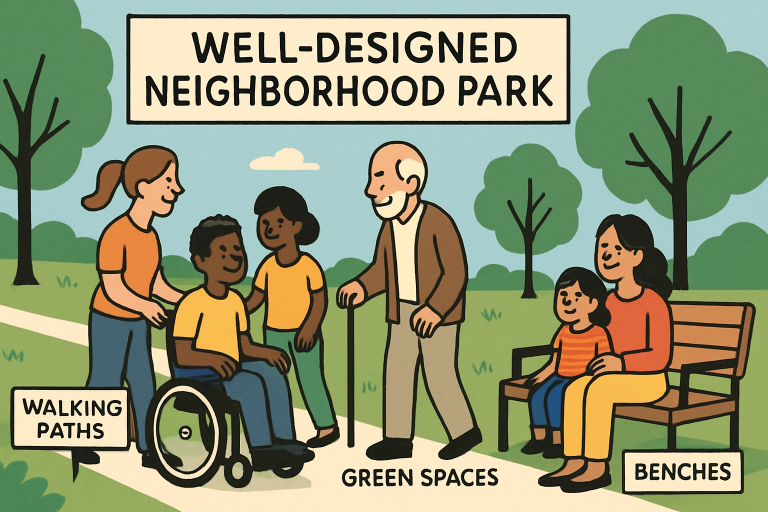
- Embracing Inclusive Design: Ensuring that landscapes are accessible to people of all ages, abilities, and backgrounds is critical. By integrating universal design and distributing resources equitably, spaces become welcoming and functional for everyone.
Effective designs pay attention not only to aesthetic appeal but also to function, blending beauty with usefulness so each outdoor area serves multiple community needs. According to The New York Times, cities that invest in multi-use public parks experience both improved well-being and heightened civic pride.
Fostering Social Interaction Through Design
Landscape design’s power lies in its ability to foster casual encounters and organized gatherings. Features such as community gardens, play structures, walking trails, picnic tables, and interactive art all serve as invitations for groups to convene. By placing seating in shaded areas and creating flexible open spaces, designers cater to a range of activities, from neighborhood block parties to peaceful afternoon strolls. Integrating electrical services—such as lighting, outlets for events, and irrigation controls—further enhances usability and safety, allowing spaces to be enjoyed both during the day and at night.
Research published by The Washington Post highlights how thoughtful urban design serves as a social glue, binding residents together through shared activities and making neighborhoods more resilient.
Inclusive Design for Diverse Communities
The best community landscapes reflect the diversity of those who use them. Inclusive design means providing clear pathways, accessible entrances, and signage that accommodates multiple languages. Amenities should cater to a variety of cultural preferences and traditions, ensuring everyone’s needs are considered.
- Integrating accessibility features, such as ramps and tactile paving, is vital for individuals with disabilities.
- Areas for different kinds of gatherings—from quiet meditation spaces to barbecue pavilions—create opportunities for a wider range of users to feel at home.
- Crucially, marginalized groups should be involved throughout the conception and execution of any community landscape project to foster a true sense of shared ownership.
Inclusive spaces ignite the sense of belonging and cultural celebration that underpins vibrant neighborhoods.
Case Study: Hampstead, Alabama
An exemplary model of well-integrated community landscape design can be found in Hampstead, Montgomery, Alabama. This 416-acre new town dedicates over 30% of its footprint to green spaces, including parks, nature preserves, and a farm. Central to Hampstead’s success are its playgrounds, pocket parks, dog parks, and sports fields, all strategically distributed to encourage interaction and healthy living.
The vibrant town center acts as a hub for shopping, dining, and socializing, enhancing both community cohesion and economic vitality. Hampstead’s layered approach to landscape design fosters walkability, engagement, and a sense of belonging, setting a strong precedent for future developments.
The Impact of Public Art and Amenities
Public art weaves stories and sparks curiosity, adding another dimension to communal landscapes. Installations such as sculptures, murals, and interactive displays draw people together, transforming ordinary routes and parks into memorable destinations. Similarly, amenities such as lighting, wayfinding signage, water features, and comfortable benches create a sense of care, promoting longer visits and increased use of shared spaces.
These features work together to generate spontaneous conversations and cultural celebration, turning public areas into the heart of community life.
Collaborative Approaches to Community Landscaping
Genuine community landscapes are those shaped through robust collaboration and mutual engagement. When residents collaborate with designers, planners, and local officials, the resulting spaces are better tailored to the community’s actual needs and values. Initiatives like “neighborhood commons”—where residents transform neglected lots into green oases—illustrate how collective stewardship can radically uplift a neighborhood’s spirit and resilience.
Final Thoughts
Building welcoming neighborhoods is an intentional process that flourishes through smart community landscape design. By emphasizing social connectivity, inclusivity, and cooperative creation, these environments cultivate enduring bonds and vibrant public life. As communities continue to evolve, embracing such principles ensures that every resident feels at home, safe, and truly part of something greater than themselves.