










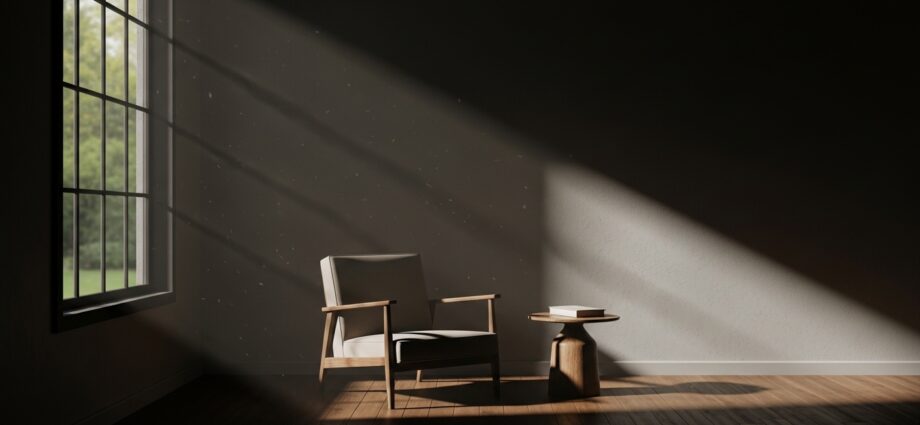
A dark room drains energy. It makes spaces feel smaller, heavier, and less inviting. Many homeowners assume fixing poor daylight requires breaking walls or installing new windows. That belief stops them from improving their space.
The truth is simpler. Strategic layout changes, reflective surfaces, and color adjustments can dramatically increase brightness without construction. Even small adjustments can multiply daylight flow.
This guide explains practical, low-cost techniques that interior designers use to brighten rooms naturally. Each method works without renovation and delivers visible results immediately.
How can you quickly brighten a dark room without renovation?
Snippet Answer (50 words): The fastest ways to brighten a dark room without renovation include using mirrors to reflect daylight, switching to light-colored walls, removing heavy curtains, repositioning furniture away from windows, adding reflective décor, and layering soft lighting tones that imitate natural daylight distribution across the room effectively.
Answer Block: You can brighten a dark room quickly by maximizing existing daylight paths. Use mirrors opposite windows, replace heavy curtains with sheer fabrics, move bulky furniture away from light sources, and introduce reflective surfaces that distribute sunlight deeper into the space without structural modifications.
Most rooms appear darker because light cannot travel freely. Obstructions reduce brightness more than people realize.
Start by clearing the window zone. Remove tall shelves, plants, or storage units blocking sunlight entry.
Next, hang a medium or large mirror across from the window. This doubles perceived daylight instantly.
Replace dark curtains with sheer linen or cotton panels. They allow filtered sunlight to enter while maintaining privacy.
Finally, adjust furniture layout so pathways remain open between windows and interior zones.
- Keep window areas visually open
- Use reflective décor surfaces
- Choose pale textiles near daylight paths
- Avoid tall furniture near natural light sources
Does mirror placement really increase natural light indoors?
Answer Block: Mirrors increase natural light by reflecting incoming daylight deeper into a room. Positioning mirrors opposite or adjacent to windows multiplies brightness distribution, improves visual depth, and reduces shadow zones without installing additional windows or structural modifications.
Interior designers rely heavily on mirrors because they amplify available light rather than replace it.
The placement angle determines effectiveness. A mirror directly opposite a window reflects maximum daylight across the room.
Side-wall mirrors extend brightness sideways. This works especially well in narrow rooms or hallways.
Mirrored furniture can also improve light diffusion subtly.
Best mirror placement strategies include:
- Opposite the primary window
- Behind table lamps near windows
- On hallway transition walls
- Near room entry points
Avoid placing mirrors where they reflect clutter. Reflected darkness reduces brightness impact.
Which wall colors reflect the most natural light?
Answer Block: Light-reflective wall colors such as soft white, warm beige, pale gray, and muted pastels improve daylight distribution by bouncing incoming sunlight across surfaces. Matte or eggshell finishes enhance diffusion without glare, making rooms appear brighter without changing window size or layout.
Color influences brightness more than furniture or décor.
Dark paint absorbs light instead of reflecting it. Even one dark wall can reduce room brightness significantly.
The best daylight-enhancing tones include:
- Soft white
- Warm ivory
- Pale taupe
- Light sage
- Cool greige
Gloss level also matters. Satin or eggshell finishes reflect more light than flat paint.
Avoid pure bright white in very small rooms. It can create harsh contrast instead of balanced brightness.
Can window treatments improve natural lighting indoors?
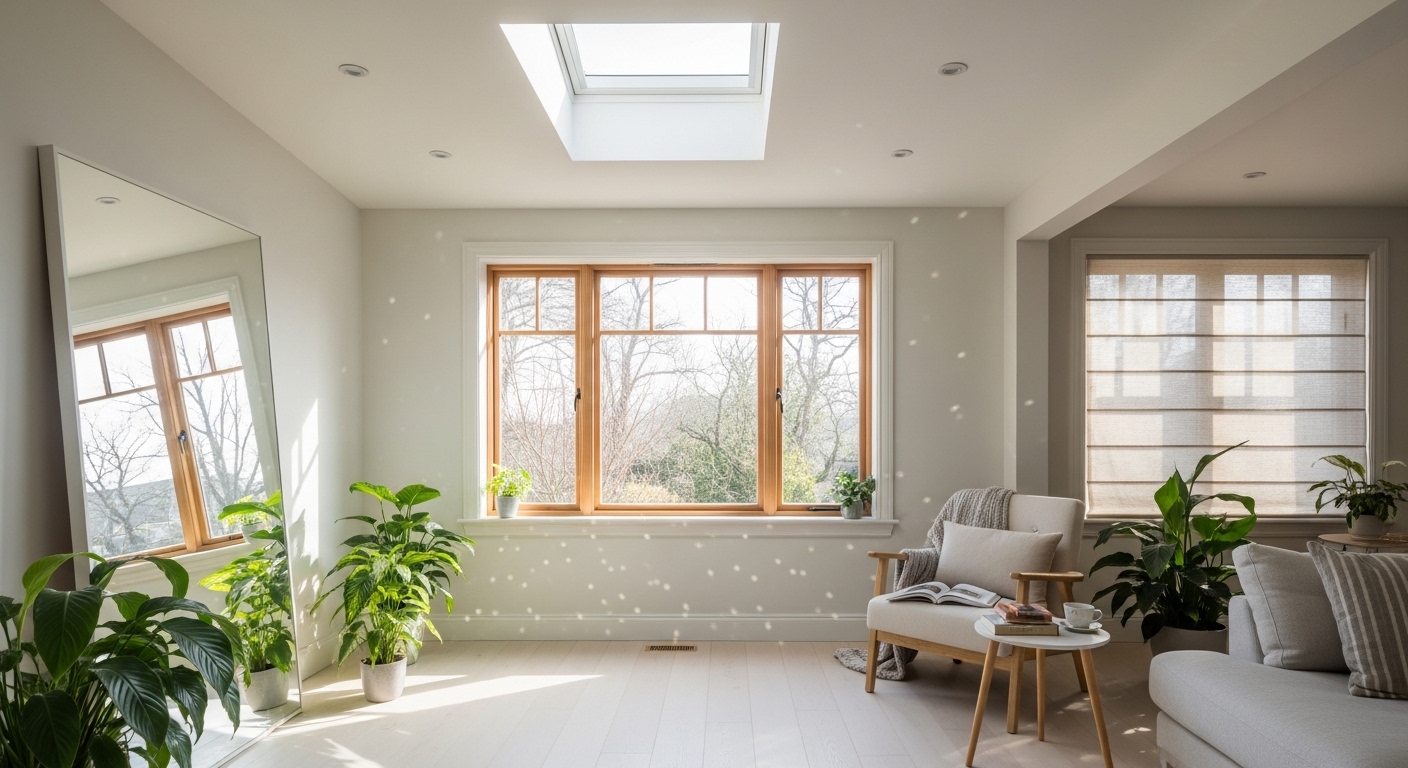
Answer Block: Yes, window treatments strongly affect daylight flow. Replacing blackout curtains with sheer fabrics, installing light-filtering blinds, and mounting curtain rods higher than window frames allows more sunlight to enter rooms naturally while maintaining privacy and reducing shadow-heavy corners.
Many rooms stay dark because of incorrect curtain choices.
Heavy fabrics block up to 70 percent of incoming daylight. Sheer alternatives allow filtered brightness.
Mount curtain rods 6–12 inches above window frames. This increases perceived window height.
Extend curtain width beyond frame edges to expose more glass area.
Recommended daylight-friendly treatments:
- Sheer linen curtains
- Light cotton panels
- Translucent roller shades
- Top-down cellular blinds
How does furniture placement affect room brightness?
Answer Block: Furniture placement affects brightness by controlling daylight pathways. Large objects near windows block sunlight entry, while low-profile layouts allow light to travel deeper into the room, improving illumination balance and reducing dark corners without requiring structural changes or additional fixtures.
Furniture positioning is often the biggest hidden cause of dim interiors.
A tall bookshelf beside a window can reduce brightness by half.
Keep the 3-foot zone near windows visually open whenever possible.
Choose legged furniture instead of bulky base designs. Light travels underneath elevated pieces.
Glass-top tables also improve reflection efficiency.
Smart placement tips include:
- Keep sofas perpendicular to windows
- Use low storage units near light sources
- Avoid blocking corners with cabinets
- Choose open-frame shelving
Which décor materials help reflect natural daylight best?
Answer Block: Reflective décor materials such as glass, metal finishes, lacquered wood, mirrored surfaces, and glossy ceramics enhance daylight movement indoors by bouncing sunlight across multiple surfaces, reducing shadow buildup and improving perceived brightness without increasing electricity usage or altering structural elements.
Material choice determines how light travels through a room.
Highly reflective décor spreads brightness efficiently across surfaces.
| Material | Reflection Efficiency | Best Use Location |
|---|---|---|
| Glass | High | Tables and shelves |
| Metal accents | Medium | Lamps and décor pieces |
| Mirrored panels | Very High | Feature walls |
| Gloss ceramics | Medium | Accessories |
Combining multiple reflective textures increases brightness layers naturally.
Can layered lighting make a room feel naturally brighter?
Answer Block: Layered lighting improves perceived natural brightness by balancing ambient, task, and accent light sources that mimic daylight distribution. Using warm-neutral bulbs alongside reflective placement techniques enhances illumination depth and reduces shadow concentration in darker room zones.
Artificial lighting supports natural daylight rather than replacing it.
Balanced lighting layers create the illusion of stronger sunlight presence.
Use three lighting zones:
- Ceiling ambient lighting
- Mid-level wall lighting
- Low-level accent lighting
Choose bulbs between 3500K and 4500K for daylight-like tone balance.
Are rugs and flooring choices important for increasing brightness?
Answer Block: Yes, flooring and rugs influence brightness by affecting how light reflects across surfaces. Light-toned flooring materials such as oak, maple, laminate, or neutral rugs improve daylight spread while darker flooring absorbs illumination and increases visual heaviness in already dim interiors.
Floor surfaces act like secondary reflectors.
Dark flooring absorbs light quickly. Light finishes redistribute brightness evenly.
Effective flooring upgrades include:
- Light oak laminate
- Neutral woven rugs
- Soft beige carpets
- Low-pile reflective fibers
A large light-colored rug can brighten an entire room instantly.
Conclusion
Dark rooms rarely need renovation to feel brighter. Most lighting problems come from blocked windows, heavy textiles, poor furniture placement, and low-reflection surfaces.
Mirrors multiply daylight. Light wall colors improve reflection. Sheer curtains allow sunlight entry. Reflective décor spreads illumination deeper into rooms.
Small adjustments create large visual changes when combined strategically.
If you apply even three techniques from this guide, your room will feel larger, brighter, and more comfortable within hours.
Start with mirror placement, curtain replacement, and furniture repositioning today to transform your space immediately.
Frequently Asked Questions
How can I brighten a room with no windows?
Use layered lighting, large mirrors, light wall paint, reflective décor, and glass furniture to simulate daylight flow and reduce shadow buildup effectively.
Do sheer curtains really increase natural light?
Yes. Sheer curtains allow filtered daylight into rooms while maintaining privacy, improving brightness without glare.
What color reflects the most sunlight indoors?
Soft white reflects the most daylight, followed by warm ivory and pale neutral tones.
Can plants make a room look darker?
Large plants near windows can block sunlight. Use smaller plants or place them away from direct light paths.
Is glossy paint better for brightening rooms?
Eggshell and satin finishes reflect more light than matte paint while avoiding excessive glare.
Does ceiling color affect brightness?
Yes. A lighter ceiling increases vertical light reflection and improves overall room brightness.
Where should mirrors be placed for maximum effect?
Place mirrors opposite windows or adjacent to light sources to multiply daylight distribution indoors.
Don’t Miss These Articles How to Organize Paperwork at Home
Up Next: Increase Water Circulation Using High-Flow Powerheads