










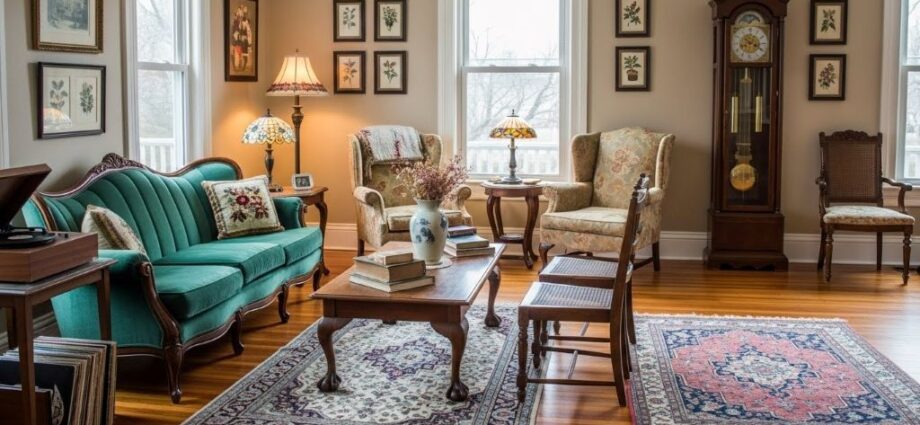
Old houses possess unique charm and character that modern homes often lack. However, decorating these vintage spaces on a budget can feel challenging. Fortunately, affordable decor solutions exist that honor the original architecture while creating a fresh, livable environment. This guide explores practical and economical ways to transform your older home into a stylish sanctuary without breaking the bank.
Understanding the Appeal of Older Homes
Older homes typically feature distinctive architectural elements such as crown molding, hardwood floors, and built-in shelving. These original features provide natural focal points for your decorating efforts. Additionally, many vintage properties offer larger rooms and higher ceilings compared to contemporary construction. Therefore, your decorating strategy should emphasize these existing assets rather than covering them up.
The key to successful decorating lies in working with the home’s inherent character. Instead of fighting against quirks like slanted floors or uneven walls, embrace them as part of the property’s story. This approach not only saves money but also preserves the authentic feel that makes old houses special.
Budget-Friendly Paint Solutions
Paint represents the most economical way to transform any space dramatically. For older homes, neutral colors work particularly well because they highlight architectural details without overwhelming them. Consider shades like warm whites, soft grays, or gentle beiges for walls. However, don’t shy away from adding personality through accent walls or painted trim.
Many older properties have beautiful woodwork that previous owners painted over. If you discover original wood beneath layers of paint, consider stripping and refinishing these elements. While time-intensive, this project costs relatively little beyond supplies and elbow grease. The revealed wood grain adds warmth and value to your home.
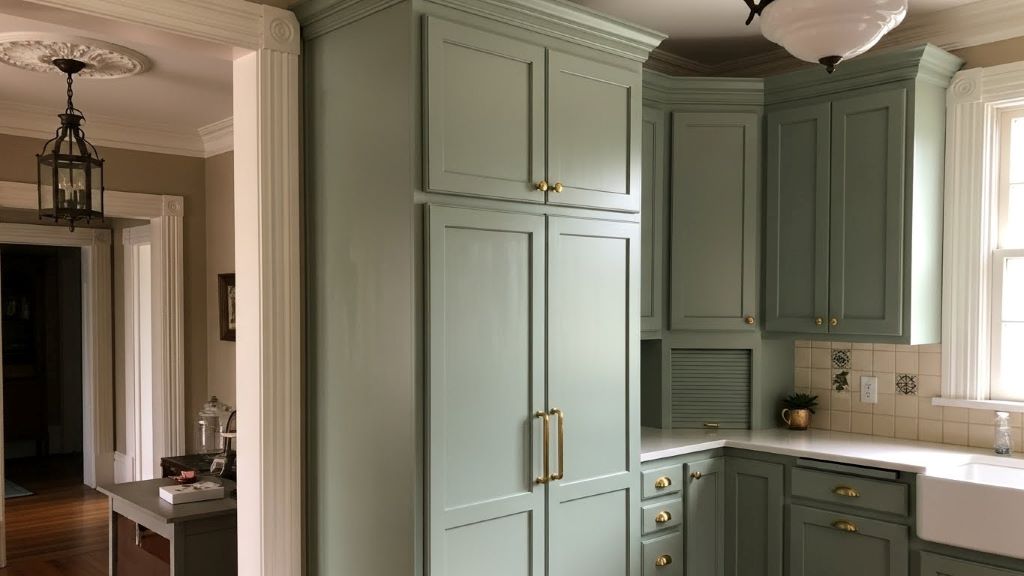
Furthermore, painting kitchen cabinets offers tremendous impact for minimal investment. Choose colors that complement your home’s era. For instance, sage green or navy blue suits Victorian-era homes, while crisp white works beautifully in Colonial properties.
Thrift Store and Secondhand Treasures
Secondhand shopping provides endless opportunities for finding affordable decor that suits older homes. Vintage pieces naturally complement period architecture better than mass-produced modern items. Visit local thrift stores, estate sales, and online marketplaces regularly to discover hidden gems.
Look for solid wood furniture that needs minor repairs or refinishing. These pieces typically cost a fraction of new furniture prices. Additionally, vintage textiles like curtains, tablecloths, and quilts add authentic charm to period homes. Many require only cleaning or minor mending to become functional again.
Antique mirrors deserve special mention because they serve multiple purposes. They reflect light to brighten dim spaces, create the illusion of more square footage, and add decorative interest. You can often find ornate vintage mirrors at reasonable prices because they need re-silvering, which you can do yourself or accept as charming patina.
Repurposing and DIY Projects
Creative repurposing stretches your decorating budget significantly. Old wooden crates become rustic shelving units. Vintage suitcases stack into unique side tables. Mason jars transform into attractive storage containers or light fixtures. Therefore, before purchasing new items, consider how existing objects might serve different purposes.
DIY projects allow you to customize decor specifically for your space. Simple sewing projects like pillow covers, curtains, or table runners require minimal skill and materials. Similarly, learning basic upholstery techniques enables you to refresh tired furniture pieces affordably. Online tutorials make acquiring these skills easier than ever before.
According to This Old House, homeowners should focus on projects that enhance both aesthetics and functionality when working with older properties. This balanced approach ensures your decorating efforts improve daily living while respecting the home’s heritage.
Lighting Strategies for Period Homes
Older homes often suffer from inadequate lighting because they were built before electricity became standard. However, proper lighting dramatically improves both appearance and functionality. Start by maximizing natural light through clean windows and light-colored window treatments.
Add task lighting in work areas like kitchens and reading nooks. Vintage-style fixtures complement period architecture while providing modern illumination levels. Thrift stores frequently stock attractive older lamps that need only new wiring or shades. Additionally, installing dimmer switches creates ambiance while controlling energy costs.
Consider highlighting architectural features with accent lighting. Small LED spotlights can draw attention to crown molding, built-in bookcases, or decorative fireplace mantels. These focused lights add drama and depth without requiring expensive renovations.
Textile Treatments and Soft Furnishings
Fabrics soften hard surfaces and add warmth to older homes. Fortunately, textiles represent one of the most affordable decorating categories. Start with window treatments that provide privacy while allowing light penetration. Simple canvas drop cloths make excellent, inexpensive curtains that you can customize with trim or dye.
Area rugs define spaces and protect original flooring. Look for natural fiber rugs like jute or sisal, which cost less than wool options while providing durability and texture. Layering smaller rugs creates visual interest and allows you to change looks seasonally without major expense.
Throw pillows and blankets inject color and pattern into neutral spaces. Make your own using fabric remnants or repurpose vintage textiles into cushion covers. This approach creates one-of-a-kind pieces that reflect your personal style while honoring the home’s character.
Working With Existing Architectural Features
Original architectural elements like built-in cabinets, window seats, and fireplace mantels provide natural decorating opportunities. Display collections, books, or plants on built-in shelving. These arrangements require no additional furniture purchases while adding personality to rooms.
Fireplace mantels serve as excellent focal points even when non-functional. Arrange mirrors, artwork, or seasonal decorations on mantels to draw the eye. Furthermore, painting the firebox interior creates a clean backdrop for candles or decorative logs.
Window seats offer cozy reading nooks with minimal investment. Add cushions and pillows to make these spaces comfortable and inviting. The National Association of Realtors notes that highlighting unique architectural features increases both enjoyment and property value, making these efforts worthwhile beyond aesthetics.
Creating Cohesive Color Schemes
Successful decorating requires cohesive color schemes throughout your home. Choose a base palette of three to five colors that work well with your home’s era and existing features. Repeat these colors in various rooms to create flow and unity.
Use the 60-30-10 rule for color distribution. Apply your dominant color to 60 percent of the room, typically walls. Your secondary color covers 30 percent through upholstery and curtains. The accent color appears in 10 percent of elements like pillows and accessories. This formula creates balanced, professional-looking spaces.
However, don’t feel constrained by strict rules. Old houses often feature multiple wood tones and varied finishes. These organic variations add depth and interest that perfectly coordinated spaces lack. Therefore, embrace imperfection as part of your home’s authentic character.
Storage Solutions That Don’t Hide Beauty
Older homes sometimes lack adequate closet space, but visible storage can enhance rather than detract from decor. Open shelving displays attractive dishes, books, or collections while keeping them accessible. Vintage trunks and wooden boxes provide storage while serving as decorative elements.
Install hooks and pegs for hanging items like bags, hats, and scarves. These functional solutions become decorative when arranged thoughtfully. Additionally, furniture with built-in storage maximizes utility without adding clutter. Look for benches with lift-up seats or ottomans with interior compartments.
Baskets and bins in natural materials organize necessities attractively. Wicker, seagrass, and wooden containers complement period architecture while hiding everyday items. Label containers clearly so family members can maintain organization systems easily.
Conclusion
Decorating older homes economically requires creativity, patience, and appreciation for existing character. By focusing on paint, secondhand finds, repurposed items, and DIY projects, you can create beautiful spaces without significant financial investment. Remember that older homes offer unique architectural features worth highlighting rather than hiding. Work with these elements, embrace imperfection, and let your home’s history shine through your decorating choices. The result will be a space that feels both fresh and authentic, proving that style and budget consciousness can coexist beautifully.
Frequently Asked Questions
What is the cheapest way to decorate an old house?
Paint provides the most affordable transformation for old houses. A few gallons of paint can completely change a room’s appearance for under $100. Combine fresh paint with rearranged existing furniture and thrifted accessories for maximum impact on a minimal budget.
How can I make my old house look modern on a budget?
Simplify your spaces by removing excess decor and furniture. Update light fixtures with modern options, paint walls in contemporary colors like gray or white, and add sleek hardware to cabinets and doors. These small changes create a modern feel while respecting original architecture.
Should I remove or keep original features in an old house?
Keep original features whenever possible because they add character and value. Original hardwood floors, crown molding, built-in cabinets, and decorative woodwork distinguish older homes from new construction. These elements require minimal investment to maintain while providing significant aesthetic impact.
Where can I find affordable vintage decor for my old house?
Visit thrift stores, estate sales, flea markets, and online marketplaces like Facebook Marketplace and Craigslist. Estate sales particularly offer authentic period pieces at reasonable prices. Additionally, check architectural salvage yards for original hardware, light fixtures, and building materials.
How do I choose paint colors for a historic home?
Research colors appropriate to your home’s architectural period. Many paint companies offer historic color collections. Generally, neutral bases with period-appropriate accent colors work well. Test paint samples in different lighting conditions before committing to ensure colors complement your home’s unique features.
Related Topics:
Brocade Fabric: Living Room Decor with Timeless Elegance