









Restoring a house is a labor of love. It’s a chance to breathe new life into a cherished space and create a home that truly reflects your personality. However, the allure of transforming a house can sometimes overshadow the critical importance of understanding its underlying structure. This is where structural inspections come in. Often overlooked, these assessments are the unsung heroes of home restoration.
Why Structural Inspections Matter
A house is more than just walls and a roof; it’s a complex interplay of structural elements that work together to provide safety and stability. A restoration project, while focused on aesthetics and functionality, can inadvertently compromise this structural integrity if not approached with care. This is where a structural inspection becomes indispensable.
Uncovering Hidden Issues
One of the primary reasons for a structural inspection is to uncover hidden issues. Old houses, especially, carry a wealth of secrets within their walls. From termite damage to foundation cracks, these problems can be lurking beneath the surface, waiting to cause significant headaches and expenses down the line. A thorough inspection can bring these hidden challenges to light, allowing you to address them proactively before they escalate.
Preventing Costly Mistakes

Restoration projects often involve significant investments. By identifying potential structural problems upfront, you can save yourself from costly mistakes. Imagine embarking on a house restoration for a kitchen renovation only to discover a load-bearing wall in the wrong place. Such surprises can disrupt your project timeline, inflate your budget, and cause unnecessary stress. A structural inspection helps prevent these scenarios by providing a clear blueprint of the house’s skeletal system. To explore more about the importance of structural inspections in house restoration, keep reading.
Ensuring Safety
A structurally sound home is a safe home. A compromised structure can pose serious risks to occupants. From collapsing walls to roof failures, the consequences can be devastating. By identifying and addressing structural weaknesses, you can create a safe and secure living environment for yourself and your family.
Maximizing Your Investment
A restored home is often seen as an investment. To maximize its value, it’s essential to ensure its structural integrity. A home with underlying structural issues is likely to depreciate faster. By addressing these problems, you protect your investment and increase the long-term value of your property.
What to Expect from a Structural Inspection
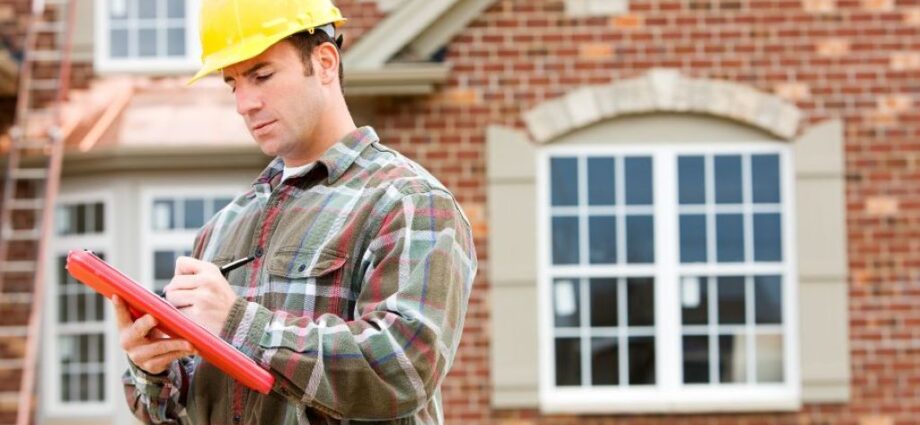
A typical structural inspection involves a qualified professional examining various components of the house. This includes:
- Foundation: Checking for cracks, settlement, and water damage.
- Walls: Assessing load-bearing capacity, cracks, and signs of deterioration.
- Roof: Inspecting for leaks, structural integrity, and potential hazards like rot or pests.
- Flooring: Evaluating for sagging, unevenness, and signs of structural issues.
- Basement or crawlspace: Examining for moisture, mold, and structural stability.
The inspector will provide a detailed report outlining any issues found, their severity, and potential remediation strategies.
Fireplace Fuel Efficiency: The Hidden Money-Saver in Your Home
Choosing the Right Inspector
Not all inspectors are created equal. When selecting a professional, look for someone with experience in older homes and a solid reputation. They should be able to provide references and examples of their previous work. It’s also essential to ensure they are licensed and insured.
Related: Room-by-Room Seasonal Cleaning Checklists: A Year-Round Guide to a Happy Home
Incorporating Inspection Findings into Your Restoration Plan
Once you have the inspection report in hand, it’s time to integrate the findings into your restoration plan. This might involve:
- Prioritizing repairs: Addressing critical issues first, such as foundation cracks or roof leaks.
- Budgeting for unexpected costs: Allocating funds for repairs and potential contingencies.
- Consulting with structural engineers: For complex or severe issues, seeking expert advice is crucial.
- Adjusting your restoration plans: Modifying your vision to accommodate structural limitations.
Conclusion
While the allure of transforming a house into a dream home is undeniably exciting, it’s essential to remember that a solid foundation is the cornerstone of any successful restoration project. A structural inspection is an investment in the long-term health and value of your property. By taking this crucial step, you can protect your investment, ensure safety, and create a home that stands the test of time.
Remember, restoration is about preserving the character of a home while adapting it to modern needs. A thorough understanding of the house’s structure is the key to achieving this balance.