







Hey there, frustrated homeowner! Have you ever found yourself in a sticky situation with a window that just won’t budge? We’ve all been there, wrestling with a window that seems determined to defy our efforts. But fear not, because today I’m going to walk you through the steps to get that stubborn window unstuck and functioning smoothly once again.
Why Do Windows Get Stuck?
Before we dive into the solutions, let’s take a moment to understand why windows get stuck in the first place. Windows can become stuck for various reasons, but the most common culprits include:
- Paint Buildup: Over the years, layers of paint can accumulate on the window frame, causing it to stick.
- Humidity and Moisture: High humidity levels can cause wooden window frames to swell, making them harder to open or close.
- Dirt and Debris: Dust, dirt, and debris can accumulate in the tracks and hinges of your window, obstructing smooth movement.
- Warped Frames: Wood and metal window frames can warp due to temperature changes, making it difficult to operate the window.
- Rust: For metal windows, rust can form on hinges and other moving parts, impeding their function.
- Lack of Lubrication: Window tracks and hinges need lubrication to function properly. Without it, they can become stiff and uncooperative.
Now that we know why windows get stuck, let’s roll up our sleeves and get to work on fixing them!
Tools You’ll Need:
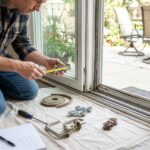
Before you start, gather these essential tools to make the job easier:
- Screwdriver
- Putty knife
- Sandpaper (medium grit)
- Lubricating spray (e.g., silicone-based)
- Paint scraper
- Hammer
- Safety glasses
- Gloves
- Wooden block (optional)
Now, let’s tackle those stuck windows step by step.
Step 1: Inspect the Window
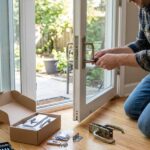
The first thing you need to do is carefully inspect the window to identify the root cause of the problem. Is it due to paint buildup, warped frames, rust, or something else? Knowing the cause will help you choose the right approach to fix it.
Step 2: Safeguard Yourself
Safety first, right? Before you get down to business, put on your safety glasses and gloves. You never know what you might encounter when working on a window, so it’s better to be prepared.
Step 3: Remove Obstacles
Now, it’s time to clear the way. If there’s any dirt, debris, or peeling paint on or around the window frame, remove it using a putty knife or a paint scraper. This will make it easier to access the problem areas.
Step 4: Loosen Stuck Windows Due to Paint Buildup
If paint buildup is the culprit, here’s how to tackle it:
- Start by gently tapping the frame around the window with a wooden block and a hammer. This can help break the paint seal.
- Once you’ve loosened the paint, carefully scrape it away with a putty knife or a paint scraper. Be patient and work methodically to avoid damaging the frame.
- After removing the excess paint, use medium-grit sandpaper to smooth out any rough spots on the frame.
Step 5: Addressing Warped Frames
Warped wooden frames can be a real headache. Here’s how to deal with them:
- If the frame is slightly warped, try using a wooden block and a hammer to gently coax it back into shape. Place the wooden block against the warped area and tap it with the hammer until the frame is straightened.
- For more severe warping, you may need to consult a professional carpenter to assess the damage and recommend a solution.
Step 6: Tackling Rust
Rust on metal window components can make them difficult to move. Here’s how to combat it:
- Use a wire brush or sandpaper to remove as much rust as possible from the affected parts. Make sure to wear safety glasses to protect your eyes from any debris.
- Once you’ve removed the rust, apply a rust inhibitor or a rust converter to prevent further corrosion.
- Lubricate the hinges and moving parts with a silicone-based lubricating spray to ensure smooth operation.
Step 7: Lubricate Moving Parts
For windows that are simply sticky due to lack of lubrication, follow these steps:
- Clean the window tracks and hinges thoroughly to remove any dirt or old lubricant.
- Apply a generous amount of a silicone-based lubricating spray to the tracks and hinges. Make sure to move the window back and forth to distribute the lubricant evenly.
- Test the window to see if it moves more smoothly. If necessary, repeat the lubrication process until it operates smoothly.
Step 8: Test and Adjust
Once you’ve addressed the specific issue causing your window to stick, test it to see if it moves freely now. Open and close it a few times to ensure it’s working as it should.
Step 9: Prevent Future Sticking
To prevent your window from getting stuck again in the future, consider these proactive measures:
- Regularly clean the window tracks and hinges to prevent dirt and debris buildup.
- Keep the window frame well-maintained, addressing any peeling paint or signs of moisture damage promptly.
- Apply a silicone-based lubricating spray to the moving parts at least once a year to keep them in top shape.
Frequently Asked Questions (FAQs)
Q1: Can I use WD-40 to lubricate my window hinges?
A1: While WD-40 is a popular lubricant, it’s not the best choice for window hinges. It tends to attract dirt and debris, which can lead to future sticking. Instead, opt for a silicone-based lubricating spray designed for windows and doors.
Q2: What should I do if my window is still stuck after trying these steps?
A2: If your window remains stuck despite your best efforts, it may be time to call in a professional window repair service. They can assess the problem and recommend a suitable solution, which may include frame repair or replacement.
Q3: Can I use vegetable oil as a lubricant for my window hinges?
A3: While vegetable oil may work temporarily, it’s not recommended for long-term lubrication. It can become sticky and attract dirt, causing more problems in the future. Stick to a silicone-based lubricant for optimal results.
Q4: Is it possible to fix a double-hung window that won’t stay open?
A4: Yes, you can fix a double-hung window that won’t stay open. The issue is often related to the balance system. You may need to replace the sash balances or adjust them to ensure the window stays in the desired position. Consult a professional if you’re unsure how to do this.
Q5: Can I paint over the lubricated window hinges and tracks?
A5: It’s not recommended to paint over lubricated hinges and tracks. Paint can create a sticky layer that hinders smooth operation. If you need to paint the window frame, first remove the lubricant from the hinges and tracks, and then reapply it after the paint has dried.