










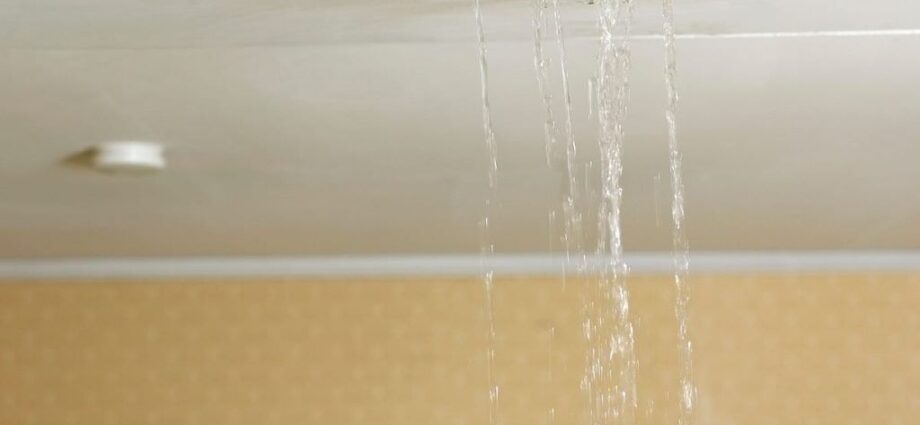
Imagine waking up to the sound of dripping water and finding a mysterious damp patch spreading across your ceiling. Panic sets in—what’s causing it? Will the ceiling collapse? How much will repairs cost? More importantly, who do you call for a water leak in the ceiling?
Ceiling leaks are not just inconvenient—they can lead to significant structural damage, mold growth, and high repair bills if left untreated. The faster you act, the better your chances of minimizing the damage. This guide will walk you through everything you need to know, from identifying the source of the leak to knowing which professional to call for different scenarios.
Let’s dive into the step-by-step actions to take when a ceiling leak strikes, and who exactly you need to contact for help.
What Causes a Water Leak in the Ceiling?
Before you can fix a ceiling leak, you need to understand where it’s coming from. Here are the most common culprits:
- Plumbing Issues: Burst or leaking pipes from an upstairs bathroom, kitchen, or laundry room are often to blame. Old or corroded pipes can leak slowly over time.
- Roof Damage: Cracked shingles, poor flashing, or ice dams during winter can cause water to seep through the roof and into the ceiling.
- HVAC Condensation: Air conditioning units or ductwork that run through the attic may produce condensation, which can accumulate and leak.
- Clogged Gutters: Overflowing gutters can push water into the roof structure, especially near joints and edges.
- Faulty Appliances: Water heaters, washing machines, or dishwashers on upper floors may leak and cause ceiling damage below.
Step-by-Step: What to Do When You Spot a Leak
- Act Quickly
As soon as you see signs of a ceiling leak (discoloration, bubbling paint, or dripping), move furniture and electronics out of the way to prevent damage. - Contain the Water
Use buckets, towels, or plastic sheets to catch the water. If the ceiling is bulging, you may need to poke a small hole to release pooled water safely. - Turn Off the Water Supply (if plumbing-related)
If you suspect a pipe is leaking, shut off the main water valve to stop further damage. - Turn Off Electricity
Water and electricity don’t mix. If the leak is near electrical fixtures, turn off power at the circuit breaker for that area. - Document the Damage
Take clear photos and videos. This will be helpful for insurance claims and when explaining the problem to contractors.
Who to Call for a Water Leak in the Ceiling?
Depending on the source of the leak, you may need to call different professionals. Here’s a breakdown:
-
Plumber
Call a plumber if:
- The leak is near a bathroom, kitchen, or laundry room.
- You hear dripping sounds inside walls.
- There’s a drop in water pressure.
Why?
Plumbers are trained to detect and fix leaky pipes, broken seals, or faulty fixtures. They can perform pressure tests, inspect pipes with cameras, and recommend long-term solutions.
-
Roofer
Call a roofer if:
- The leak appears after rainfall or snowmelt.
- The source seems to be in the attic or ceiling close to the roofline.
- You notice missing shingles or damage on the roof.
Why?
A roofing contractor can assess whether shingles, flashing, or seals have failed. They’ll also inspect for structural damage in the roof deck and attic insulation.
Read More: Unveiling the Silent Invader: Understanding and Eradicating Roof Mold
-
HVAC Technician
Call an HVAC expert if:
- The leak is near vents or ductwork.
- Your AC is in the attic or upper floors.
- You see mold or mildew around vents.
Why?
Improperly insulated ducts or faulty AC units can produce excess moisture. HVAC techs can correct drainage issues, install drip pans, or reconfigure systems to prevent leaks.
Read Also: How Long Does an HVAC System Last
-
Water Damage Restoration Company
Call a restoration team if:
- The leak caused significant flooding or ceiling collapse.
- You suspect mold or mildew.
- You want to prevent long-term damage.
Why?
Water restoration pros specialize in drying, dehumidifying, and restoring areas affected by water. They also handle mold remediation and structural drying.
-
Insurance Adjuster (Optional but Recommended)
Why call your insurance company?
If the damage is extensive, homeowners insurance may cover repairs. An adjuster will assess the cost, inspect the damage, and help with the claim process.
Pro Tip: Call them after you’ve contained the leak but before making permanent repairs.
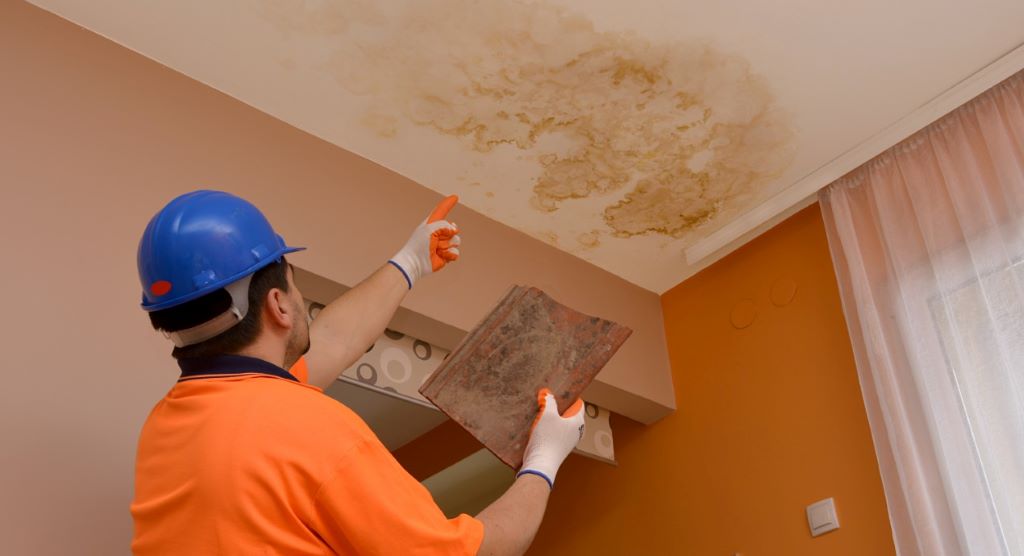
How to Find the Right Professional
When looking for the right expert, consider the following:
- Check Credentials: Ensure they are licensed, insured, and bonded.
- Read Reviews: Google reviews, Yelp, or Angi can reveal customer satisfaction.
- Ask About Emergency Services: Some leaks can’t wait. Find providers with 24/7 availability.
- Get Multiple Quotes: Especially for roof or ceiling repairs, it pays to compare costs and timelines.
- Request Warranties: Reputable contractors often offer guarantees for their work.
How Much Does It Cost to Fix a Ceiling Leak?
Costs vary based on the source and severity of the leak. Here’s a ballpark:
| Type of Repair | Average Cost Range |
| Minor pipe repair | $150 – $350 |
| Roof leak repair | $300 – $1,000 |
| HVAC condensation fix | $200 – $700 |
| Water damage restoration | $1,000 – $4,000+ |
| Ceiling drywall replacement | $500 – $1,500 |
Note: These prices may fluctuate based on your location and urgency.
FAQs: Ceiling Water Leak Questions Answered
Q: Can a ceiling leak cause mold?
A: Yes. Within 24-48 hours of water exposure, mold spores can begin to grow. Swift drying and professional treatment are essential.
Q: Is a ceiling leak covered by homeowners insurance?
A: Typically, yes—if the cause was sudden and accidental (e.g., burst pipe). Long-term neglect or maintenance issues may not be covered.
Q: Should I repair the ceiling myself?
A: Minor cosmetic fixes are okay for DIY. But if the source of the leak isn’t addressed, the problem will return. Always consult a pro for diagnostics.
Q: How long does it take to repair a ceiling leak?
A: Basic repairs can take a few hours. Full ceiling replacements or mold remediation may take several days.
Preventing Future Ceiling Leaks
- Inspect Your Roof Annually: Especially before rainy or snowy seasons.
- Maintain Plumbing: Check pipes, water pressure, and insulation regularly.
- Service HVAC Systems: Clean filters and ensure proper drainage for AC units.
- Clean Gutters and Downspouts: Blocked gutters can redirect water into your home.
- Use Leak Detection Sensors: These smart devices alert you to moisture before major damage occurs.
Final Thoughts
A ceiling leak is more than just a cosmetic problem—it’s a warning sign. The faster you react and the more informed you are, the less damage you’ll face. Whether it’s a plumbing issue, roof failure, or HVAC glitch, knowing who to call for a water leak in the ceiling ensures you get the right help fast.
Don’t ignore the drip—act now to protect your home, your health, and your wallet.