








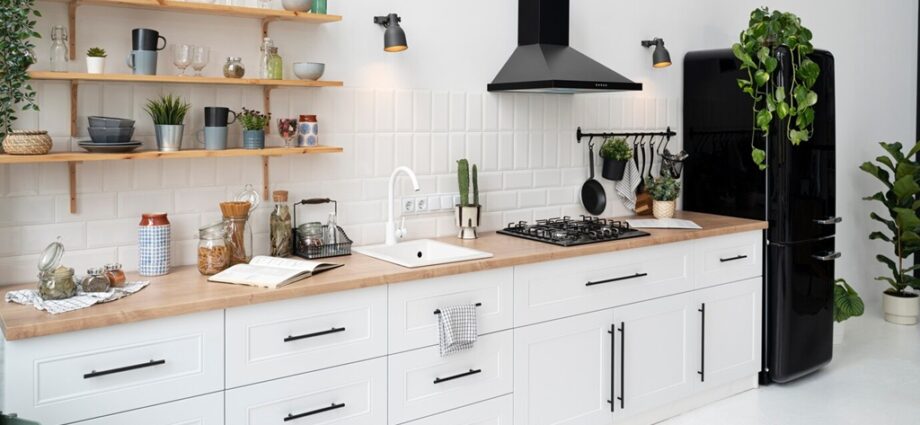
Your kitchen is often called the heart of the home, and for good reason. It’s where meals are made, conversations happen, and memories are created. But if your kitchen cabinets look tired, dated, or just plain drab, it can bring down the entire feel of the space. The good news? You don’t need a full-scale, budget-busting renovation to breathe new life into your kitchen. One of the most impactful and cost-effective ways to transform your space is by painting your kitchen cabinets.
Choosing the right paint, however, is absolutely crucial. Kitchen cabinets endure a lot – daily use, greasy splatters, moisture, sticky fingers, and occasional bumps. They need a finish that’s not only beautiful but also incredibly durable and easy to clean. With so many options on the market, finding the best paint for kitchen cabinets can feel overwhelming. Fear not! This guide will walk you through everything you need to know in 2025, from paint types and finishes to top brands and essential preparation steps, ensuring your cabinet makeover is a stunning success that lasts.
Why Bother Painting Your Kitchen Cabinets?
Before diving into the “how” and “what,” let’s talk about the “why.” Painting kitchen cabinets offers several compelling benefits:
- Cost-Effective Transformation: Compared to replacing cabinets entirely, painting is significantly more affordable. It delivers a high-impact visual upgrade for a fraction of the cost, freeing up your budget for other kitchen enhancements like countertops or appliances.
- Personalization: Painting allows you to customize your kitchen to perfectly match your style. Whether you dream of a classic white kitchen, a trendy two-tone look, or a bold, moody hue, paint makes it possible. Current trends for 2025 lean towards warm neutrals, earthy greens and blues, and even sophisticated deeper tones.
- Increased Home Value: A fresh, modern-looking kitchen is a major selling point. Updated cabinets can significantly boost your home’s appeal and potential resale value.
- Sustainability: Giving your existing cabinets a new lease on life is a more environmentally friendly option than sending them to landfill and buying new ones.
Understanding the Different Types of Cabinet Paint
The chemistry behind paint dictates its performance, durability, and application characteristics. Choosing the right type is the first step towards a professional-looking finish.
Oil-Based (Alkyd) Paints: The Traditional Powerhouse
For decades, oil-based (alkyd) paints were the go-to choice for cabinetry due to their exceptional hardness and smooth, level finish. They form a rigid shell that resists scratches and wear extremely well.
- Pros: Offers a rock-hard, highly durable finish once cured. Excellent adhesion properties. Levels out beautifully, minimizing brush strokes for a professional look. Easy to clean.
- Cons: Very long drying and curing times (can take days or even weeks to fully harden). Strong, lingering odor due to high Volatile Organic Compounds (VOCs). Requires mineral spirits or paint thinner for cleanup, which can be messy and requires good ventilation. Tendency to yellow over time, especially lighter colors. Less environmentally friendly. Professional application is often recommended.
Water-Based (Latex/Acrylic) Paints: The Modern Standard
Water-based paints, often referred to as latex or acrylic paints (though most are technically acrylic these days), have come a long way. Modern formulations offer impressive durability, especially those labeled “enamels” or designed specifically for cabinets and trim.
- Pros: Much faster drying times compared to oil-based paints (often ready for recoat in hours). Significantly lower odor and VOCs, making them more pleasant and safer to work with indoors. Easy cleanup with just soap and water. More flexible finish, less prone to cracking. Non-yellowing over time. Eco-friendlier choice.
- Cons: Historically considered less durable than traditional oils, though high-quality acrylic enamels close the gap considerably. May not level quite as flawlessly as oils without careful application or additives. Proper preparation (sanding and priming) is absolutely critical for good adhesion and a smooth finish. May require a separate topcoat for maximum durability in very high-traffic areas, though many cabinet-specific paints have built-in hardeners.
Hybrid Enamels (Waterborne Alkyds/Acrylic-Alkyds): The Best of Both Worlds?
This category represents a significant advancement in paint technology. Hybrid paints aim to combine the best qualities of both oil and water-based formulas. They use alkyd resins suspended in water, offering oil-like durability and smoothness with water-based ease of use.
- Pros: Excellent durability, often rivaling traditional oil paints. Achieve a hard, smooth, self-leveling finish. Low VOCs and minimal odor. Easy soap-and-water cleanup. Good adhesion. Resists yellowing.
- Cons: Can be more expensive than standard latex paints. Drying and curing times can sometimes be longer than typical latex paints (though still much faster than oils). Some specific formulations might have unique application requirements.
Recommendation: For most DIYers in 2025, high-quality hybrid enamels (waterborne alkyds) or premium acrylic enamels specifically designed for cabinets and trim offer the best balance of durability, ease of application, low odor, and a beautiful finish. Brands like Benjamin Moore Advance and Sherwin-Williams Emerald Urethane Trim Enamel fall into this category and are highly recommended.
Choosing the Right Paint Finish (Sheen)
The paint’s finish, or sheen, impacts not only the look but also the durability and cleanability of your cabinets.
Matte/Flat Finish: Chic but Impractical
A matte finish has no shine, offering a very modern, velvety look that excels at hiding surface imperfections.
- Considerations: While trendy for walls, matte is generally not recommended for kitchen cabinets. Its porous nature makes it difficult to clean (stains can soak in) and it offers the least durability against scuffs and scratches. Best reserved for very low-traffic decorative pieces.
Eggshell/Satin Finish: The Popular Compromise
Satin (and its close cousin, eggshell) offers a subtle, soft sheen – more than matte, but less reflective than semi-gloss. It strikes a good balance between aesthetics and practicality.
- Popular Choices: This is a very popular choice for cabinets. It provides good cleanability and durability while offering a sophisticated, low-luster appearance that doesn’t highlight minor imperfections as much as glossier finishes. It’s easier to clean than matte and offers decent resistance to wear.
Semi-Gloss Finish: The Durability King
Semi-gloss provides a noticeable shine that reflects light, making kitchens feel brighter. It’s known for its excellent durability and cleanability.
- Durability King: This is often considered the most practical and recommended finish for kitchen cabinets. Its harder, less porous surface makes it highly resistant to moisture, grease, and stains, and it’s very easy to wipe clean. The downside is that its shine can highlight dents, dings, or unevenness in the cabinet surface, demanding careful prep work.
High-Gloss Finish: Bold and Easy-Clean
High-gloss offers a super-shiny, almost mirror-like finish that creates a sleek, modern, and sometimes dramatic statement.
- Bold Statements: This finish provides the highest level of durability and cleanability – grime wipes off effortlessly. However, it magnifies every single surface imperfection. Achieving a flawless high-gloss finish requires meticulous preparation and often spraying rather than brushing or rolling. It can also show fingerprints and smudges easily.
Recommendation: For the best combination of durability, ease of cleaning, and a beautiful look in a busy kitchen, satin or semi-gloss finishes are typically the top choices. Semi-gloss offers slightly better durability and cleanability, while satin provides a more muted, modern elegance.
Key Factors When Choosing Your Cabinet Paint
Beyond type and sheen, consider these crucial elements:
Durability and Longevity
This is paramount for kitchen cabinets. Look for paints explicitly labeled “cabinet,” “trim,” “door,” or “enamel.” These are formulated for high-traffic, high-touch surfaces. Hybrid enamels and premium acrylics generally offer excellent durability for kitchen use.
Ease of Cleaning
Kitchens get messy. Choose a paint that can withstand regular wiping and scrubbing without losing its luster or color. Satin, semi-gloss, and high-gloss finishes are significantly easier to clean than matte.
Application Method
Consider how you plan to apply the paint. While brushes and rollers work, using a paint sprayer (like an HVLP or airless sprayer) typically yields the smoothest, most professional, factory-like finish, especially with hybrid or acrylic enamels. Some paints level better than others when brushed or rolled.
VOC Content and Odor
If you’re sensitive to smells or painting indoors with limited ventilation, opt for low-VOC or zero-VOC water-based or hybrid paints. Oil paints have very high VOCs and strong odors.
Drying and Curing Time
Remember that “dry to the touch” is different from “fully cured.” While water-based paints dry quickly (often within an hour or two), they need time to cure (fully harden), which can take anywhere from several days to a few weeks depending on the paint and conditions. Avoid heavy use or aggressive cleaning until the paint is fully cured to prevent damage. Oil paints take much longer for both drying and curing.
Budget
Cabinet paint prices vary. Expect to pay $25-$80 per gallon. While budget options exist (like Behr’s Cabinet & Trim Enamel, noted as a good value), investing in a premium paint like Benjamin Moore Advance or Sherwin-Williams Emerald Urethane often pays off in terms of application ease, finish quality, and long-term durability.
Related: Avoid Paint Peeling! How Long Does Caulk Need to Dry Before Painting
Top Recommended Paints for Kitchen Cabinets in 2025
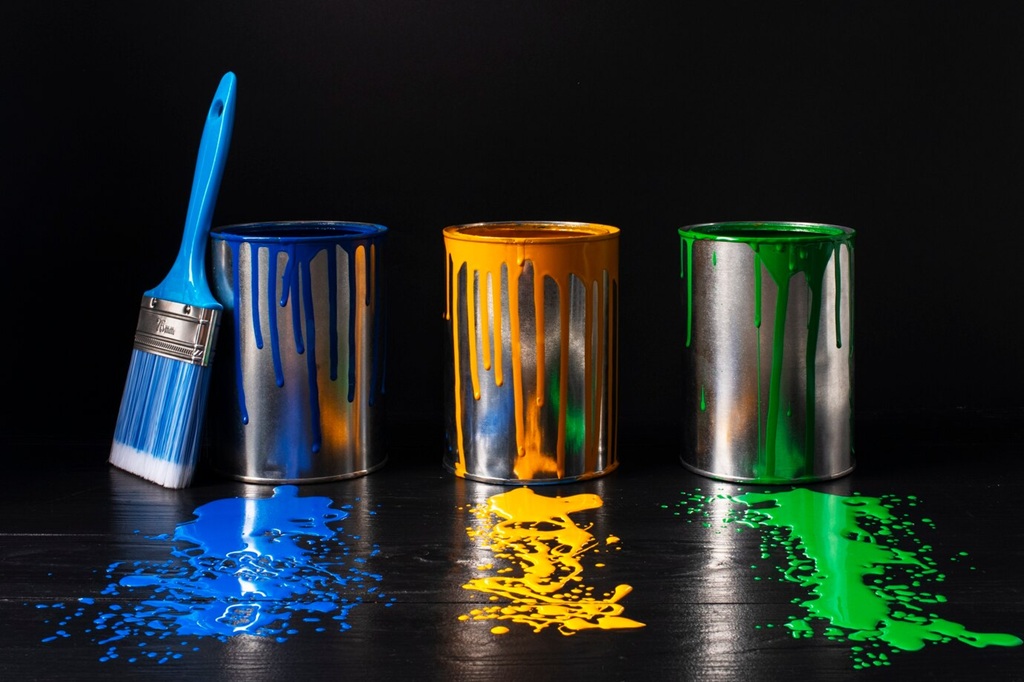
Based on numerous reviews, professional recommendations, and performance tests, these paints consistently rank among the best for kitchen cabinets:
Benjamin Moore ADVANCE Interior Paint
- Type: Waterborne Alkyd (Hybrid)
- Strengths: Widely considered one of the overall best. Delivers an exceptionally smooth, furniture-like finish that levels beautifully, minimizing brush/roller marks. Excellent durability comparable to oil-based paints. Low VOC and easy cleanup. Available in various sheens (including Satin and Semi-Gloss).
- Weaknesses: Can be more expensive. Has a longer recoat and cure time compared to some fast-drying acrylics, requiring patience between coats and before full use.
Sherwin-Williams Emerald Urethane Trim Enamel
- Type: Water-Based Urethane Modified Alkyd (Hybrid)
- Strengths: Another top-tier choice favored by professionals. Creates an extremely hard, durable, and factory-like finish resistant to scratches, scuffs, and moisture. Excellent flow and leveling properties. Self-priming on some surfaces (though priming is still recommended for cabinets). Faster drying time than Benjamin Moore Advance. Low VOC. Available in Satin, Semi-Gloss, and Gloss.
- Weaknesses: Premium price point. Some DIYers find it slightly less forgiving to apply than Advance if not careful.
Behr Premium Cabinet & Trim Interior Satin/Semi-Gloss Enamel
- Type: Water-Based Acrylic Enamel
- Strengths: Excellent performance for its price point, often cited as the best budget-friendly option. Good coverage and adhesion. Dries quickly to a hard, durable finish. Easy to apply and clean up. Low VOC.
- Weaknesses: May not be quite as durable or achieve the same level of flawless finish as the premium hybrids in rigorous testing. Might require more careful prep and potentially a topcoat for maximum longevity in very demanding kitchens.
Other Highly-Rated Options:
- INSL-X Cabinet Coat (Owned by Benjamin Moore): A waterborne acrylic urethane known for incredible adhesion (even to tricky surfaces) and a tough, durable finish.
- Dixie Belle Silk All-In-One Mineral Paint: A popular choice in the furniture painting world, known for being extremely low/zero VOC, having a built-in primer and topcoat, and excellent self-leveling. Great color options.
- Zinsser AllCoat Exterior (Water-Based): While designed for exteriors, its exceptional durability, multi-surface adhesion, self-priming nature, and availability in Matt, Satin, and Gloss make it a surprisingly effective (and tough) choice for interior cabinets.
- Tikkurila Helmi Furniture Paint: A European brand gaining recognition for its high-performance water-based acrylic paints (available in Matt, Semi-Matt, Gloss) offering excellent durability and finish.
Related: Hall of Fame: Choosing the Perfect Paint Color for Your Entryway
The Painting Process: A Quick Overview
Choosing the best paint is only half the battle. Proper preparation and application are essential for a lasting, professional result.
Preparation is Absolutely Key
Do not skip this! It’s the most crucial (and often most tedious) part, but it makes all the difference.
- Empty & Remove: Empty cabinets completely. Remove all doors, drawers, and hardware (knobs, pulls, hinges). Label everything meticulously with painter’s tape so you know exactly where it goes back.
- Clean Thoroughly: Kitchen cabinets accumulate grease and grime. Clean all surfaces (frames, doors, drawers – front and back) with a good degreaser, like TSP (Trisodium Phosphate) or a TSP substitute. Rinse well and let dry completely.
- Repair: Fill any holes (from old hardware if changing) or dents with wood filler. Let it dry and sand smooth.
- Sand (Scuff Sanding): Lightly sand all surfaces to be painted. This removes any existing gloss and creates microscopic grooves for the primer and paint to grip onto. Use 150-180 grit sandpaper. You don’t need to sand down to bare wood unless the previous finish is failing badly. The goal is just to dull the surface.
- Clean Again: Vacuum up all sanding dust and wipe surfaces down with a tack cloth or a damp microfiber cloth. Dust is the enemy of a smooth finish!
Priming for Success
Primer creates a uniform surface, enhances paint adhesion, blocks stains and wood tannins from bleeding through, and ensures better color consistency.
- Use a high-quality bonding primer. For wood cabinets, an oil-based primer (like Zinsser Cover Stain or Kilz Original) or a shellac-based primer (like Zinsser B-I-N) offers excellent adhesion and stain blocking. However, they have strong odors.
- High-adhesion water-based primers (like Insl-X Stix or Kilz Adhesion) are good low-odor alternatives, especially for previously painted surfaces or laminates.
- Apply one or two thin, even coats of primer, following the manufacturer’s drying times. Lightly sand the primer smooth with fine-grit sandpaper (220 grit) after it dries and wipe clean before painting.
Application Tips for a Smooth Finish
- Thin Coats: Apply paint in multiple thin, even coats rather than one thick coat. This prevents drips and allows for better drying and a smoother finish.
- Method: For the smoothest finish, spraying is ideal. If using a brush and roller, use a high-quality angled brush for corners and details, and a mini foam roller or high-density foam roller for flat surfaces. Work quickly to maintain a “wet edge” and minimize overlap marks.
- Follow Recoat Times: Adhere strictly to the paint manufacturer’s recommended time between coats. Applying the next coat too soon can ruin the finish.
- Sand Between Coats (Optional but Recommended): For the absolute smoothest finish, lightly sand between fully dried coats of paint with very fine sandpaper (220-320 grit) and wipe clean.
Curing Time – Don’t Rush It!
Allow the paint to cure fully before reinstalling hardware, doors, and drawers, and before subjecting the cabinets to heavy use or cleaning. This curing process, where the paint reaches its maximum hardness, can take anywhere from a few days to 3-4 weeks. Be gentle with your newly painted cabinets during this period.
Related: How to Paint Kitchen Cabinets
2025 Kitchen Cabinet Color Trends
Want your kitchen to feel current? Consider these trending palettes for 2025:
- Warm Neutrals: Move over stark whites. Think creamy off-whites, beige, taupe, sand, greige (like BM Edgecomb Gray or SW Accessible Beige), and soft, muted browns (like Pantone’s Mocha Mousse). Kelly Moore’s Swiss Coffee and SW Alabaster remain popular warm whites.
- Earthy & Nature-Inspired: Greens continue to lead (sage, moss, deep olive, forest green), followed closely by blues (muted slate, deep navy, marine blue). Earthy terracotta and clay tones (like Farrow & Ball’s Etruscan Red) are also gaining ground.
- Moody & Bold: Deep charcoal grays, matte black, rich plums, and deep burgundies or oxblood reds are being used for dramatic effect, often on lower cabinets or islands.
- Two-Tone Designs: Combining colors remains popular – often lighter uppers with darker lowers, or a statement color on the island against neutral perimeter cabinets.
- Natural Wood Tones: While not paint, pairing painted cabinets (especially warm neutrals or greens) with natural wood accents (like white oak or walnut) is a strong trend.
People Also Ask (FAQs)
Q1: What is the most durable type of paint for kitchen cabinets?
A: Traditionally, oil-based alkyd paints were considered the most durable. However, modern waterborne alkyds (hybrids) like Benjamin Moore Advance and Sherwin-Williams Emerald Urethane Trim Enamel offer comparable or even superior durability with easier application and cleanup. High-quality acrylic enamels are also very durable.
Q2: What is the best finish/sheen for kitchen cabinets?
A: Satin or Semi-Gloss finishes are generally recommended. They offer the best balance of durability, cleanability, and aesthetic appeal for a high-traffic kitchen environment. Semi-gloss is slightly easier to clean and more durable, while satin offers a more subtle, modern look.
Q3: Do I really need to prime my kitchen cabinets before painting?
A: Yes, absolutely! Priming is essential for ensuring proper paint adhesion, blocking stains and tannins, creating a uniform surface, and achieving a long-lasting, professional finish. Use a high-quality bonding primer appropriate for your cabinet material.
Q4: Can I paint laminate or melamine cabinets?
A: Yes, but proper preparation is critical. You must clean them thoroughly and use a high-adhesion bonding primer (like Zinsser B-I-N or Insl-X Stix) specifically designed for slick surfaces before applying your topcoat paint. Light scuff sanding is also crucial.
Q5: How long does it take to paint kitchen cabinets?
A: It depends on the size of your kitchen, your experience level, and the paint’s drying/curing times. For a DIY project, expect it to take several days to a week, factoring in prep time, multiple coats, and drying periods. Remember the crucial curing time afterward.
Q6: Is spraying cabinets better than brushing or rolling?
A: Spraying generally provides the smoothest, most professional, factory-like finish with no brush or roller marks. However, it requires specialized equipment and has a learning curve. You can still achieve excellent results with high-quality brushes, rollers, good technique, and the right paint (especially self-leveling ones).
Related: How to Build Shaker Cabinet Doors: A Step-by-Step Guide for DIY Enthusiasts
Conclusion: Your Beautiful Kitchen Awaits
Painting your kitchen cabinets is a rewarding project that can dramatically update your home’s look and feel without the expense of a full remodel. The key to success lies in meticulous preparation, patience during the process, and choosing the best paint for kitchen cabinets based on your needs – prioritizing durability, cleanability, and ease of application.
By selecting a high-quality hybrid enamel or premium acrylic enamel in a satin or semi-gloss finish, and committing to thorough prep work, you can achieve a beautiful, durable, and professional-looking finish that you’ll admire for years to come. Whether you embrace the warmth of 2025’s trending neutrals and earthy tones or stick with a classic white, your freshly painted cabinets are sure to make your kitchen the true heart of your home once again. Happy painting!