










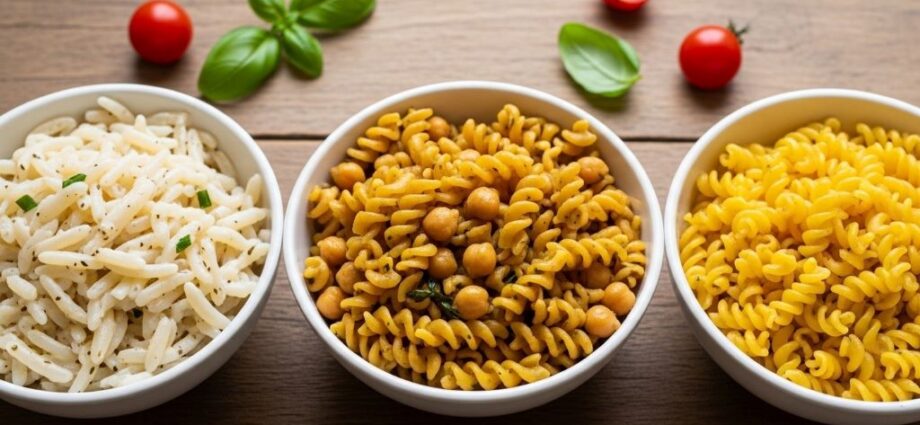
Living without gluten doesn’t mean sacrificing your favorite pasta dishes anymore. Today’s market offers numerous alternatives made from various grains and legumes. Each type brings unique characteristics to your plate. Understanding these differences helps you choose the best option for your meals.
The gluten-free pasta revolution has transformed dining for millions of people worldwide. Whether you have celiac disease, gluten sensitivity, or simply prefer alternative grains, options abound. However, not all gluten-free varieties perform equally in the kitchen. Knowing how each type behaves during cooking and tastes on your plate makes all the difference.
Understanding the Nutritional Profiles of Alternative Pastas
Nutrition forms the foundation of any food choice. Different base ingredients create vastly different nutritional outcomes. Therefore, examining what each pasta type offers helps align your meals with health goals.
Rice-based pasta provides a familiar taste and texture for most people. It contains moderate amounts of protein and fiber. Additionally, it offers essential minerals like manganese and selenium. However, it ranks lower in protein compared to legume-based alternatives. The refined white rice versions contain fewer nutrients than brown rice varieties.
Chickpea pasta stands out as a protein powerhouse among gluten-free options. A single serving delivers nearly double the protein of traditional wheat pasta. Furthermore, it provides substantial fiber that supports digestive health. The complex carbohydrates digest more slowly, helping maintain stable blood sugar levels. This makes it particularly valuable for people managing diabetes or watching their weight.
Corn-based pasta occupies a middle ground nutritionally. It contains more protein than rice varieties but less than chickpea options. Additionally, it provides beneficial antioxidants like lutein and zeaxanthin. These compounds support eye health and reduce inflammation. Corn pasta also contains decent amounts of fiber, especially when made from whole grain corn.
Calorie content varies slightly between these three types. Rice pasta typically contains the fewest calories per serving. Chickpea pasta has slightly more due to higher protein and fiber content. Meanwhile, corn pasta falls somewhere between the two. However, these differences are relatively minor for most dietary plans.
Micronutrient profiles differ significantly based on base ingredients. Chickpea pasta excels in iron, providing nearly half your daily needs per serving. Rice pasta offers more manganese and selenium. Corn pasta contributes higher levels of vitamin B6 and thiamin. Consider your specific nutritional needs when selecting pasta types.
Examining Taste and Texture Characteristics
Flavor profiles vary considerably between gluten-free pasta types. Your personal preferences and intended recipes should guide your selections. Additionally, understanding how each type tastes helps you pair them appropriately with sauces and dishes.
Rice pasta delivers the mildest, most neutral flavor among the three options. This makes it incredibly versatile for various cuisines. It doesn’t compete with delicate sauces or overpower subtle ingredients. However, some people find it slightly bland without robust seasonings. The texture closely resembles traditional wheat pasta when cooked properly.
Chickpea pasta brings a distinct, slightly nutty flavor to dishes. Some people love this earthy taste while others find it too pronounced. The flavor works particularly well with Mediterranean and Middle Eastern cuisines. Additionally, it pairs beautifully with robust tomato sauces and hearty vegetable preparations. The texture tends to be firmer and more toothsome than rice alternatives.
Corn pasta offers a subtle sweetness that distinguishes it from other varieties. This gentle corn flavor complements many dishes without overwhelming them. It works especially well with creamy sauces and Mexican-inspired preparations. The texture sits between rice and chickpea pasta in terms of firmness. Some brands achieve remarkably wheat-like consistency.
Mouthfeel differs significantly between these three pasta types. Rice pasta can become slightly sticky or mushy if overcooked. Chickpea pasta maintains its structure well but may feel grainier. Corn pasta often achieves the smoothest texture closest to traditional pasta. However, quality varies substantially between brands regardless of base ingredient.
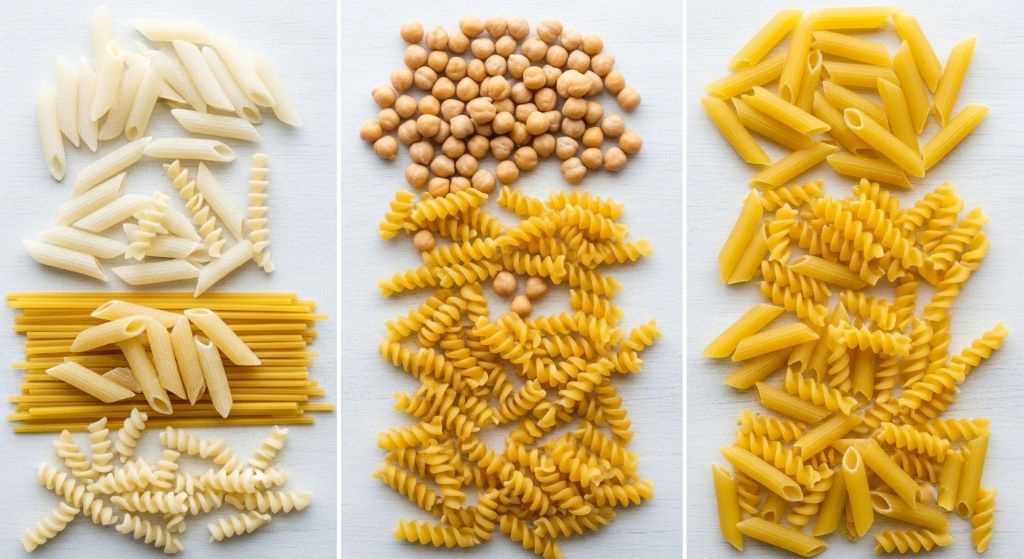
Color variations affect visual presentation of finished dishes. Rice pasta appears pale and neutral, blending seamlessly into most preparations. Chickpea pasta displays a golden-tan hue that adds warmth to plates. Corn pasta ranges from bright yellow to pale cream depending on processing methods. Consider how these colors complement your overall dish presentation.
Analyzing Cooking Performance and Preparation Methods
Cooking behavior separates good gluten-free pasta from disappointing alternatives. Each type requires slightly different handling for optimal results. Therefore, understanding proper preparation techniques ensures consistently delicious outcomes.
Rice pasta cooks relatively quickly compared to wheat alternatives. Most varieties reach perfect doneness in seven to nine minutes. However, the window between perfectly cooked and mushy is narrow. Therefore, careful timing is essential. Additionally, rinsing after cooking prevents excessive stickiness. This step is particularly important for cold pasta salads.
Chickpea pasta demands more attention during cooking. It releases substantial starch into the cooking water, creating foam. Use a larger pot with plenty of water to prevent boil-overs. Additionally, stir frequently during the first few minutes to prevent clumping. The pasta maintains its shape well and rarely becomes mushy. However, it can develop a gritty texture if undercooked.
Corn pasta generally offers the most forgiving cooking experience. It holds up well to slight overcooking without falling apart completely. Most varieties cook in eight to ten minutes. Additionally, the pasta doesn’t release as much starch as chickpea alternatives. This makes it easier for beginners to achieve good results consistently.
Water-to-pasta ratios matter more for gluten-free varieties than traditional wheat pasta. Use at least four quarts of water per pound of pasta. This abundance of water dilutes released starches and prevents sticking. Furthermore, add salt generously to enhance flavor absorption during cooking.
Sauce adherence varies between pasta types based on surface texture. Rice pasta tends to have smoother surfaces that may resist thick sauces. Chickpea pasta’s slightly rougher texture grabs sauces effectively. Corn pasta falls somewhere in between, working well with most sauce consistencies. Consider tossing pasta with a small amount of cooking water to help sauces cling better.
Comparing Cost and Value Considerations
Budget impacts food choices for most households. Gluten-free pasta typically costs more than conventional wheat varieties. However, prices vary significantly between alternative grain options. Understanding these differences helps you plan grocery budgets effectively.
Rice pasta generally represents the most affordable gluten-free option. Mass production and widespread availability keep prices relatively low. You can find quality rice pasta for comparable prices to premium wheat varieties. Additionally, frequent sales make it even more budget-friendly. This accessibility makes rice pasta an excellent entry point for gluten-free eating.
Chickpea pasta commands premium prices due to production costs and nutritional benefits. Expect to pay fifty to one hundred percent more than rice alternatives. However, the superior protein and fiber content provides better nutritional value per dollar. Additionally, the satisfying nature of chickpea pasta means smaller portions may suffice. This partially offsets the higher per-package cost.
Corn pasta pricing falls between rice and chickpea options in most markets. Quality brands cost moderately more than rice varieties but less than chickpea alternatives. Additionally, organic corn pasta commands higher prices due to specialty grain sourcing. Store brands often offer significant savings while maintaining decent quality.
Package sizes affect overall value comparisons. Some brands package pasta in eight-ounce boxes while others offer standard one-pound packages. Always compare price per ounce rather than per package. Additionally, buying larger quantities or multi-packs often reduces per-serving costs significantly.
Shelf life considerations impact long-term value. All three pasta types store well in cool, dry conditions. However, chickpea pasta may have slightly shorter shelf life due to higher fat content. Check expiration dates and buy quantities you’ll use within recommended timeframes. Proper storage prevents waste and maximizes your investment.
Evaluating Digestibility and Dietary Considerations
How your body processes different pasta types affects comfort and satisfaction. Individual digestive systems respond differently to various ingredients. Therefore, understanding potential issues helps you make informed choices.
Rice pasta digests quickly and easily for most people. It’s considered hypoallergenic and rarely causes digestive distress. However, the rapid digestion may lead to quicker hunger return. Additionally, white rice pasta can cause blood sugar spikes in sensitive individuals. Brown rice versions provide more sustained energy through additional fiber.
Chickpea pasta’s high fiber content affects digestion significantly. The fiber promotes healthy gut function and creates lasting fullness. However, some people experience gas or bloating initially. Gradually introducing chickpea pasta helps your system adapt. Additionally, drinking plenty of water supports comfortable digestion of high-fiber foods.
Corn pasta generally digests well for people without corn sensitivities. However, individuals with corn allergies must avoid this option entirely. The moderate fiber content provides balanced digestion without excessive bulk. Additionally, corn pasta’s resistant starch may benefit gut bacteria diversity. This promotes overall digestive health over time.
FODMAP considerations matter for people with irritable bowel syndrome. Rice pasta is naturally low in FODMAPs and well-tolerated. Chickpea pasta contains moderate FODMAPs that may trigger symptoms in sensitive individuals. Corn pasta generally falls into the low-FODMAP category. Consult with healthcare providers if you follow specialized digestive protocols.
Satiety levels differ based on protein and fiber content. Chickpea pasta creates the most lasting fullness due to its nutritional density. Rice pasta may leave you hungry sooner, especially white rice varieties. Corn pasta provides moderate satisfaction between the two extremes. Consider your hunger patterns when selecting pasta for different meals.
Assessing Environmental Impact and Sustainability
Environmentally conscious consumers consider production impacts when choosing foods. Different crops require varying amounts of water, land, and resources. Additionally, processing methods affect overall environmental footprints.
Rice cultivation presents complex environmental considerations. It requires substantial water resources and often involves flooded fields. These conditions produce methane, a potent greenhouse gas. However, rice grows abundantly worldwide, reducing transportation impacts for many regions. Organic rice farming practices can mitigate some environmental concerns.
Chickpea production offers several environmental advantages. Legumes fix nitrogen in soil, reducing fertilizer requirements. Additionally, chickpeas require less water than many grain crops. They grow well in diverse climates and improve soil health for future crops. However, processing chickpeas into flour requires energy-intensive grinding and milling.
Corn farming impacts vary dramatically based on agricultural practices. Industrial corn production often involves heavy pesticide and fertilizer use. Conversely, organic and regenerative corn farming can actually improve soil health. Corn requires moderate water compared to rice but more than chickpeas. Local sourcing reduces transportation-related environmental impacts significantly.
Packaging considerations apply equally across all three pasta types. Look for brands using recyclable or minimal packaging materials. Additionally, buying larger quantities reduces packaging waste per serving. Some companies now offer compostable or plant-based packaging options worth supporting.
Organic certification indicates reduced pesticide exposure and often more sustainable practices. All three pasta types are available in organic versions. However, organic options cost more across the board. Balance your environmental values with budget constraints when making purchasing decisions.
Understanding Versatility in Different Cuisines
Pasta serves as a foundation for countless global dishes. However, not all gluten-free varieties work equally well across different culinary traditions. Matching pasta type to cuisine enhances authenticity and enjoyment.
Italian preparations showcase where texture matters most. Rice pasta works beautifully in delicate dishes like aglio e olio or carbonara. The neutral flavor lets sauces shine without interference. However, it may not hold up as well in baked preparations like lasagna. Choose thicker rice noodle shapes for heartier Italian dishes.
Asian cuisines naturally pair well with rice-based options. Rice noodles authentically represent many Asian pasta traditions. Use them in stir-fries, soups, and cold noodle salads. Additionally, they work perfectly in pad Thai and Vietnamese pho. The familiar flavor profiles create authentic-tasting dishes.
Mediterranean and Middle Eastern recipes sing with chickpea pasta. The nutty, earthy flavor complements olive oil, garlic, and fresh herbs beautifully. Additionally, it pairs wonderfully with roasted vegetables and tahini-based sauces. Consider using chickpea pasta in Greek-inspired dishes or mezze-style preparations.
Mexican and Southwestern cuisines benefit from corn pasta’s subtle sweetness. It works excellently in southwest pasta salads and creamy cilantro-lime preparations. Additionally, the corn flavor enhances dishes with peppers, beans, and cumin. Try it in Mexican-inspired macaroni and cheese or taco pasta bakes.
Fusion cooking allows creative mixing of pasta types and flavors. Don’t feel constrained by traditional pairings. Experiment with different combinations to discover personal favorites. Additionally, varying pasta types keeps meals interesting and prevents flavor fatigue.
Making the Right Choice for Your Needs
Selecting between these three popular gluten-free pasta options depends on multiple factors. Your priorities regarding nutrition, taste, budget, and cooking ease all matter. Additionally, individual health needs and preferences play crucial roles.
Health-focused eaters should strongly consider chickpea pasta for its superior nutrition. The high protein and fiber content supports various wellness goals effectively. However, the stronger flavor may not suit all palates or dishes. Additionally, the higher cost may strain tight budgets.
Budget-conscious shoppers often find rice pasta offers the best value. It performs well in most applications and costs significantly less than alternatives. Furthermore, its neutral flavor works across diverse cuisines. The lower protein content can be offset by adding protein-rich ingredients to dishes.
Texture purists seeking wheat-like consistency often prefer quality corn pasta. It achieves remarkably similar mouthfeel to traditional pasta when properly prepared. Additionally, the mild sweetness enhances rather than detracts from most dishes. The moderate pricing makes it accessible for regular consumption.
Families with diverse preferences might stock multiple pasta types. Different family members may prefer different varieties for various dishes. Additionally, rotating between options prevents boredom and maximizes nutritional diversity. Buy smaller quantities of each type to enable this variety.
Special dietary needs may limit your options. People with corn allergies must avoid corn pasta entirely. Those following low-FODMAP diets should prioritize rice options. Additionally, individuals maximizing protein intake naturally gravitate toward chickpea varieties. Always consider your specific health requirements first.
Conclusion
Choosing between rice vs chickpea pasta and performing a corn pasta comparison requires evaluating multiple dimensions. Each type offers distinct advantages depending on your priorities and needs. Rice pasta provides affordability, versatility, and mild flavor that works across cuisines. Chickpea pasta delivers superior nutrition with high protein and fiber content. Corn pasta achieves excellent texture and subtle sweetness at moderate prices.
Nutritional profiles vary significantly, with chickpea pasta leading in protein and fiber. Rice pasta offers the gentlest flavor and widest acceptance. Meanwhile, corn pasta balances texture and taste effectively. Cooking behaviors differ, requiring attention to timing and technique for optimal results.
Cost considerations favor rice pasta for budget-conscious households. However, chickpea pasta’s nutritional density provides excellent value despite higher prices. Environmental impacts vary based on farming practices more than crop type. Additionally, versatility across cuisines helps determine which pasta suits your cooking style.
No single pasta type emerges as universally superior. Instead, the best choice depends on your specific situation, preferences, and priorities. Consider trying all three types to discover your personal favorites. Additionally, keeping multiple varieties on hand enables matching pasta to specific dishes perfectly.
The expanding gluten-free pasta market ensures continued innovation and improvement. Quality increases while prices gradually become more competitive. Therefore, now is an excellent time to explore these alternatives and find varieties that make your gluten-free journey delicious and satisfying.
Frequently Asked Questions
Which gluten-free pasta tastes most like regular wheat pasta?
Corn pasta typically achieves the closest texture and mouthfeel to traditional wheat pasta when properly cooked. High-quality corn pasta brands have smooth surfaces and pleasant chewiness similar to semolina pasta. However, taste preferences vary individually, so trying different brands helps you find your perfect match. Some people prefer rice pasta’s neutrality while others enjoy chickpea pasta’s distinctive flavor despite textural differences.
Can I substitute chickpea pasta in any recipe calling for regular pasta?
Yes, chickpea pasta works in most traditional pasta recipes with minor adjustments. Its stronger flavor pairs best with robust sauces rather than delicate preparations. Additionally, reduce cooking time slightly as chickpea pasta can become mushy if overcooked. The higher protein content makes it particularly suitable for main dishes where pasta serves as the primary protein source rather than just a base.
Does rice pasta always get mushy and sticky?
Not necessarily, though rice pasta requires careful attention during cooking. Use abundant boiling water and avoid overcooking beyond package directions. Testing pasta one minute before the suggested time prevents mushiness. Additionally, rinsing cooked rice pasta under cold water removes excess starch and prevents sticking. Higher-quality brands maintain better texture than budget options, so investing in premium rice pasta improves results significantly.
Are these gluten-free pastas suitable for children?
Absolutely, all three pasta types are safe and nutritious for children without gluten restrictions. Rice pasta’s mild flavor often appeals to picky eaters most readily. Chickpea pasta provides excellent nutrition for growing bodies, though some children may resist its distinctive taste initially. Corn pasta’s slight sweetness sometimes wins over young palates. Introduce varieties gradually and pair them with favorite sauces to encourage acceptance.
How should I store opened packages of gluten-free pasta?
Transfer opened pasta to airtight containers and store in cool, dry locations away from direct sunlight. Glass jars or sealed plastic containers work well for maintaining freshness. Properly stored, all three pasta types last several months after opening. However, chickpea pasta contains more natural oils and may have slightly shorter shelf life than rice or corn varieties. Check for off odors or discoloration before using pasta stored for extended periods.
Related Topics:
Strawberry Banana Pudding Recipe for Summer – No-Bake Delight
Galaxy Counters vs. Minstrels: A Sweet Showdown