









Concrete countertops have surged in popularity in recent years, offering a unique blend of durability, versatility, and aesthetic appeal. Homeowners and designers alike favor them because they can customize them to fit any design, from sleek and modern to rustic and earthy. However, concrete, like any other material, is susceptible to cracking if not properly cared for. Understanding how to prevent concrete countertops from cracking is crucial for maintaining their longevity and appearance. This comprehensive guide delves deep into the causes of cracking in concrete countertops, provides preventative measures, explores the pros and cons of this material, answers frequently asked questions, and offers insights into top-rated concrete countertop products and services.
Understanding the Causes of Cracking
Before we delve into prevention strategies, it’s crucial to understand why concrete countertops crack in the first place. Cracking typically stems from a combination of factors, including:
- Shrinkage: As concrete cures, it undergoes a natural shrinkage process. This shrinkage can cause internal stresses, leading to cracks if not properly managed.
- Settlement: Buildings naturally settle over time. This movement can stress the countertops, particularly if supports are inadequate or the foundation has weaknesses.
- Temperature Changes: Concrete expands and contracts with temperature fluctuations. Extreme changes can cause stress and cracking, especially in outdoor applications.
- Impact and Overloading: Heavy impacts or excessive weight on the countertop can lead to cracks. This is particularly important to consider during installation and daily use.
- Improper Mixing and Installation: Incorrect mixing ratios, inadequate curing, and improper installation techniques can significantly increase the risk of cracking.
Preventative Measures: Ensuring Longevity and Beauty
Preventing cracks in your concrete countertops involves a multi-faceted approach that encompasses proper installation, careful use, and regular maintenance. Here’s a breakdown of key preventative measures:
-
Professional Installation:
- Experienced Installers: Choose experienced installers who specialize in concrete countertops. They possess the knowledge and skills to ensure proper mixing, pouring, curing, and sealing.
- Reinforcement: Consider using reinforcement materials like steel mesh or fibers to add strength and minimize cracking.
- Proper Support: Ensure adequate support for the countertops, especially for overhangs and large islands. This may involve using corbels, brackets, or additional supports.
-
Careful Use and Maintenance:
- Avoid Impact: Use cutting boards and trivets to protect the surface from direct impact and heat.
- Clean Spills Promptly: Wipe up spills immediately, especially acidic substances like vinegar and lemon juice, which can etch the surface.
- Regular Sealing: Seal the countertops regularly with a high-quality sealer to protect them from moisture, stains, and chemicals.
-
Controlling Environmental Factors:
- Temperature Control: Keep the temperature in the countertop installation area consistent, especially while they cure.
- Minimize Vibrations: Avoid excessive vibrations near the countertops, especially during construction or renovation projects.
Pros and Cons of Concrete Countertops
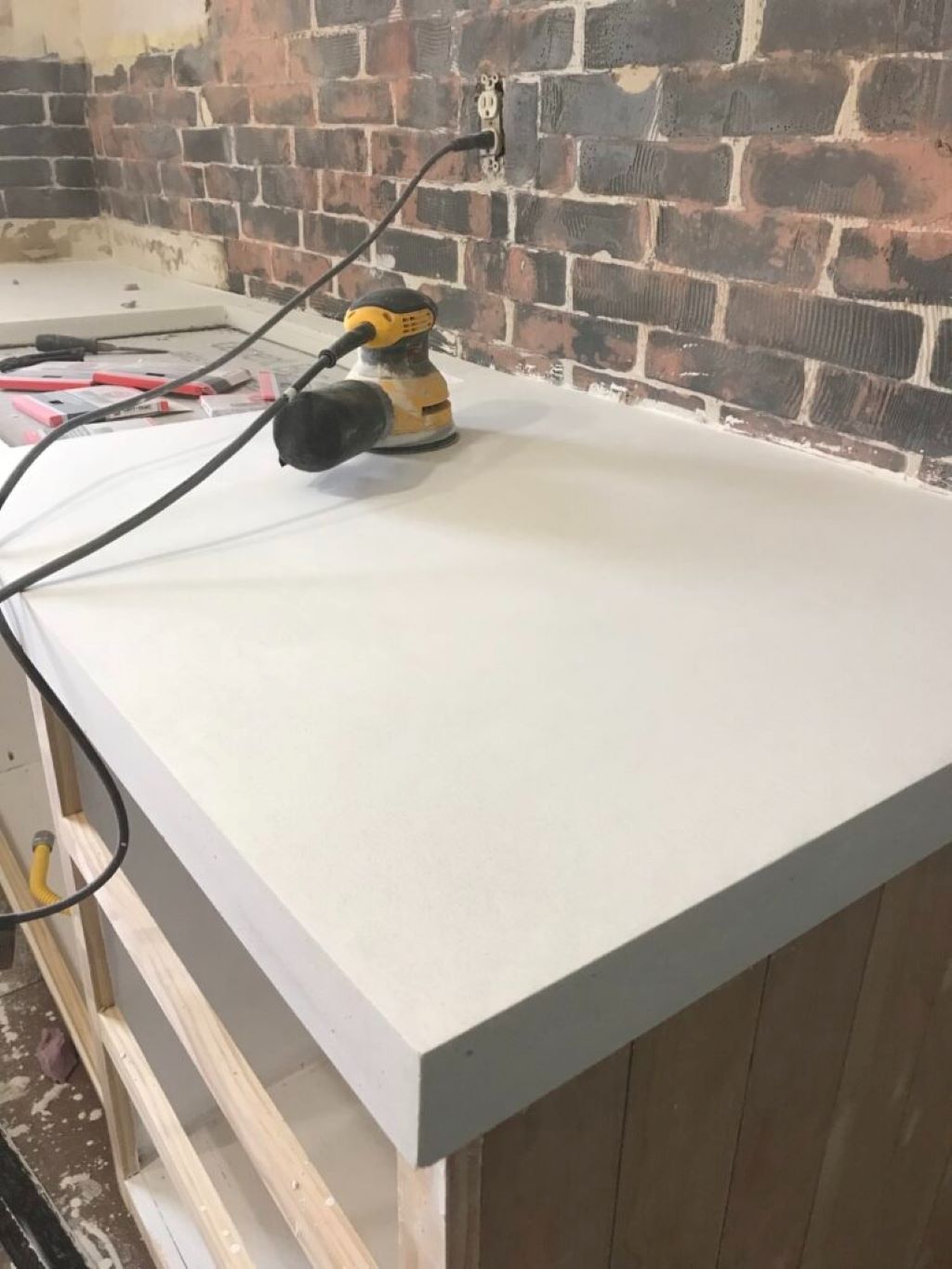
Concrete countertops offer a unique blend of advantages and disadvantages. Understanding these can help you make an informed decision about whether they are the right choice for your home.
Pros:
- Durability: When properly installed and maintained, concrete countertops are incredibly durable and can withstand daily wear and tear.
- Versatility: Builders can customize concrete to fit any design aesthetic, from modern to traditional. They can color, texture, and shape it to create unique and personalized countertops.
- Heat Resistance: Concrete’s natural heat resistance makes it ideal for kitchens where people frequently use hot pots and pans.
- Sustainability: You can make concrete with recycled materials, and this makes it a relatively eco-friendly option compared to some other countertop materials.
Cons:
- Potential for Cracking: As discussed, concrete is susceptible to cracking if not properly installed and maintained.
- Maintenance: Concrete requires regular sealing and cleaning to prevent stains and etching.
- Cost: Concrete countertops can be more expensive than some other materials, especially if you opt for custom designs or intricate finishes.
- Weight: Concrete is a heavy material, which may require additional support structures during installation.
Reviews: Top-Rated Concrete Countertop Products and Services
Choosing the right products and services is crucial for ensuring the longevity and beauty of your concrete countertops. Here are some top-rated options based on customer reviews and industry expertise:
Concrete Countertop Mixes:
- Cheng Concrete Countertop Mix: This pre-mixed blend is easy to use and delivers consistent results. It’s ideal for DIYers and professionals alike.
- Buddy Rhodes Concrete Countertop Mix: This premium mix offers superior workability and a smooth finish. It’s a popular choice among experienced concrete artisans.
Sealers:
- Miracle Sealants 511 Impregnator Sealer: This penetrating sealer provides excellent protection against stains and moisture. It’s a popular choice for both indoor and outdoor applications.
- Black Diamond Stoneworks Ultimate Grout Sealer: This high-performance sealer offers superior durability and resistance to chemicals and abrasion. It’s ideal for high-traffic areas.
Concrete Countertop Professionals:
- Concrete Network: This online directory connects homeowners with qualified concrete countertop installers and artisans across the country.
- Local Contractors: Seek recommendations from friends, family, and neighbors to find reputable local contractors with experience in concrete countertop installation.
FAQ: Addressing Common Concerns
-
How much do concrete countertops cost?
The cost of concrete countertops varies depending on factors like size, design, finish, and location. On average, you can expect to pay between $60 and $150 per square foot.
-
How long do concrete countertops last?
With proper installation and maintenance, concrete countertops can last a lifetime.
-
Can I install concrete countertops myself?
While it’s possible to install concrete countertops yourself, it’s a challenging project that requires specialized knowledge and skills. If you’re not experienced in concrete work, it’s best to hire a professional.
-
How do I repair a crack in my concrete countertop?
Minor cracks can often be repaired with epoxy or acrylic fillers. However, larger cracks may require professional repair or replacement.
-
How do I clean concrete countertops?
Clean concrete countertops regularly with a mild soap and warm water. Avoid using abrasive cleaners or harsh chemicals, which can damage the sealer.
-
Can I use concrete countertops outdoors?
Yes, concrete countertops can be used outdoors. However, they require special considerations to protect them from the elements. Use a UV-resistant sealer and ensure proper drainage to prevent cracking and damage.
Conclusion: Embracing the Beauty and Durability of Concrete
Concrete countertops offer a unique blend of beauty, durability, and versatility. By understanding the causes of cracking and implementing preventative measures, you can ensure that your concrete countertops remain a stunning and functional focal point in your home for years to come. Concrete countertops bring sleek modern appeal or rustic charm to your home. This timeless investment enhances the value and enjoyment of your living space.
Read More:
The Pros and Cons of Popular Kitchen Appliances: What Every Home Cook Should Know