








Discover the concept of green roofs and their numerous environmental and practical advantages. From improving air quality to reducing energy costs, this guide provides valuable insights into incorporating green roofs into your property.
Introduction
Green roofs, also known as living roofs or vegetated roofs, are a sustainable roofing solution that offer a multitude of benefits for both the environment and property owners. By incorporating vegetation into roofing systems, green roofs contribute to a more eco-friendly urban environment. In this guide, we’ll explore the concept of green roofs and delve into their extensive benefits.
What are Green Roofs?
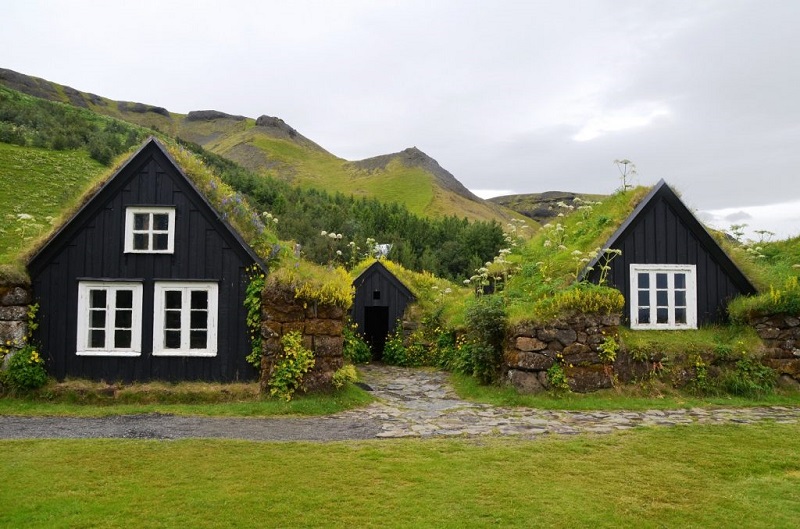
A green roof is a roofing system that supports the growth of vegetation, which can range from grasses and sedums to shrubs and even small trees. It consists of several layers, including a waterproofing membrane, a drainage layer, a growing medium, and a vegetation layer. Green roofs can be installed on various types of buildings, from residential homes to commercial structures.
Environmental Benefits
1. Improved Air Quality
Green roofs act as natural air filters by capturing pollutants and particulate matter from the air. The plants on the roof absorb harmful gases and release oxygen, contributing to cleaner, fresher air in urban areas.
2. Reduced Urban Heat Island Effect
Urban areas tend to be significantly warmer than surrounding rural areas due to the concentration of buildings, concrete, and asphalt. Green roofs help mitigate this heat island effect by absorbing and dissipating heat through the process of evapotranspiration.
3. Stormwater Management
Green roofs reduce stormwater runoff by absorbing and retaining rainwater. This helps alleviate strain on drainage systems during heavy rainfall and minimizes the risk of urban flooding.
Practical Benefits
4. Energy Efficiency
Green roofs provide excellent insulation, reducing the amount of heat lost during the winter and lowering cooling costs in the summer. This leads to decreased energy consumption for heating and air conditioning.
5. Extended Roof Lifespan
The vegetation layer acts as a protective shield, shielding the roof membrane from harsh weather conditions, UV radiation, and temperature fluctuations. This extends the lifespan of the roof membrane, resulting in cost savings over time.
6. Aesthetic Appeal and Biodiversity
Green roofs enhance the visual appeal of buildings, creating vibrant, natural spaces in urban environments. They also provide habitats for birds, insects, and other wildlife, contributing to urban biodiversity.
Considerations for Implementation
When considering a green roof, it’s essential to assess factors such as building structure, load-bearing capacity, and local climate conditions. Consulting with a professional green roof installer or architect is recommended to ensure proper design and installation.
Conclusion
Green roofs are a sustainable and innovative roofing solution that offers a wide range of benefits for both the environment and property owners. From improving air quality to reducing energy costs, the advantages of green roofs are substantial. By incorporating vegetation into roofing systems, we can contribute to a more sustainable and eco-friendly urban landscape.