









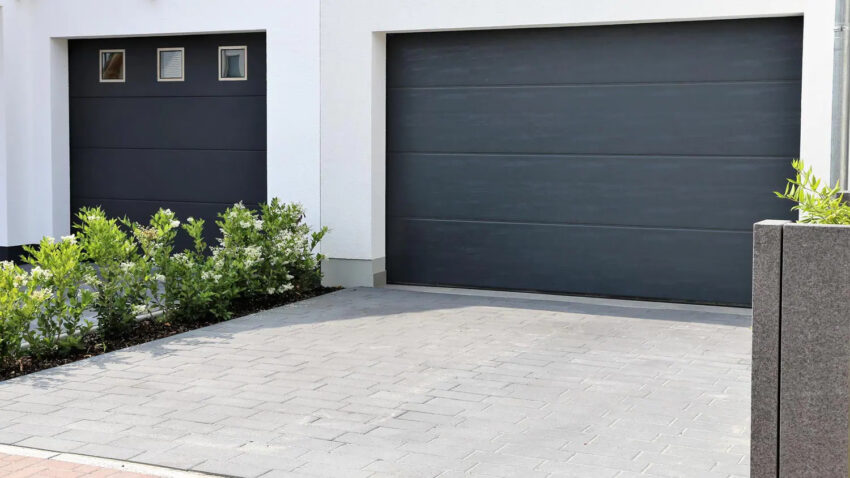
It is not uncommon for garage doors to become unbalanced. This happens when the weight of the door pulls one way, and the springs push it in another direction. The results are undesirable: Garage doors that slowly open or close, or even stop moving altogether. But fear not! The good news is that balancing a garage door is easy and can be done by anyone with basic mechanical skills. In this blog, we will tell you everything you need to know about balancing your garage door – from the different types of garage doors to safety considerations – and how you can do it on your own at home. We will also tell you what to check for before attempting it yourself.
Why Balance a Garage Door?

When a garage door is unbalanced, it puts undue stress on its associated parts, causing them to fail prematurely. This increases the risk of injury to pets and young children, as well as damage to property.
Unbalanced garage doors are also a potential hazard for users. They can accidentally open too far or too close, causing a crash that could result in serious injuries. A balanced garage door maintains equilibrium and avoids these types of problems.
To balance a torsion spring garage door, you must first open the door fully until it stops in the fully-open position. Then, you must close the door slowly until it stops in the closed position. Finally, you must turn off power to the door and move it back and forth until it stops naturally in the open position. This process is necessary for any type of torsion spring garage door.
In addition to opening and closing the door properly, you must also balance the door by turning power back on again if you close it too quickly or slowly. By following these steps, you can safely and efficiently balance your garage doors
Types of Garage Doors
There are a variety of garage doors on the market, and it’s important to know the difference between them. Wood doors are available in a range of styles and materials, such as steel and aluminum, that can be painted or stained to prevent warping and peeling. Wood types and finishes vary greatly, so it’s important to know what type of door is desired before making a purchase.
Other types of garage doors include steel and aluminum frames with different types of siding. Throughout the year, these doors can be painted or stained to protect them from the elements. Garage doors also come in various sizes and weights, from openers that weigh less than 10 pounds to heavy-duty models that weigh over 500 pounds.
Depending on the type of door chosen, durability may vary. It’s important to determine if a garage door uses a torsione or extension spring before making a purchase.
Purchasing the right garage door can help ensure safety and longevity for years to come.
Balancing a Torsion Spring Door
When balancing a torsion spring door, it is vital that you seek professional help. Torsion spring doors have one spring per door bay and may require professional assistance for balancing.
This process involves lifting the door halfway and checking if it stays in place. Adjustments should be made by a professional, who can correctly balance your door without causing any damage to the mechanism. To balance a torsion spring door, you need to clamp tracks above the rollers, insert a torsion bar, loosen screws, move the collar, tighten the screws, and test the door.
Trying to balance a torsion spring door can result in injuries; hire professionals for replacement or adjustment as required.
Balancing an Extension Spring Door
If your garage door has a torsion spring or extension spring, understanding how to balance it is important.
Both types of doors have two springs that run parallel to the garage walls. When adjusting the balance, an extension spring door requires two people to manually balance the door. A torsion spring requires one person to manually balance the door. To do this, someone must hold both ends of the torsion spring and use a wrench or pliers to adjust the tension on the opposite side of the door.
Capacitor balancing is another option for those with extension spring doors. This technique involves looping a resistance wire around the extension springs and connecting it to a capacitor. The length of time it takes for a circuit to charge depends on how long it takes for electrons from the capacitor to flow through the resistance wire and back into the capacitor.
Knowing whether your garage door has torsion springs or extension springs is necessary before balancing. After that, all that’s required is following some simple steps and using common sense when performing the task.
How to Check for Balance
To check for balance, disconnect the garage door from the opener, lift it halfway, and let it go to check balance. Adjust torsion spring tension as necessary.
Open the garage door and unplug the motor or shut off the circuit breaker to release tension from the extension springs. Check bolts and nuts holding the garage door track and hinges in place. Inspect rollers for wear and replace any worn-out ones.
Turn off the power, and manually lift and lower your garage door to ensure it moves correctly. Leave it halfway open to check for an ideal balance.
By checking the torsion springs, hinges, rollers, and bolts of your garage door regularly, you can ensure it remains balanced and running smoothly.
Safety Considerations
Garage door springs are an essential part of a garage door’s operation. In order to operate the door open or close smoothly and safely, the springs must be tensioned and released repeatedly. But that requires some manual work, which involves handling them with care.
There are various safety precautions that should be adhered to when handling garage door springs. Ensure that the protective cover is always kept on the terminals of the motor, extension spring, and safety cable. Also, ensure that the tension adjustment knob is in place before releasing any tension from the spring.
Every time a new garage door spring is installed, it should be checked for proper alignment with the safe opening gap on both sides. If there is no room for adjustment, then a new one should be used. Apart from this, if any spring fails to operate properly or breaks down completely, it must be replaced immediately.
Conclusion
Garage doors are an essential part of a home and their safety is paramount. They allow access to the garage, protect your home from exterior elements, and keep your vehicles safe when you’re not at home. However, if you notice that your garage door has shifted or that it doesn’t close properly, it may be time to balance it. With the above tips, you can easily balance a garage door. If you have any questions regarding the same, comment below and we’ll get back to you as soon as possible.