




In an era where health and hygiene have taken center stage, the search for effective disinfection methods has intensified. Beyond sprays, wipes, and traditional air filters, a powerful technology leveraging light itself is gaining traction: Germicidal Ultraviolet (GUV) light. Specifically, ceiling-mounted UV light panels are emerging as a discreet yet potent solution for sanitizing air and surfaces in various indoor spaces. But what exactly are these panels, how do they work, and are they the right choice for enhancing the safety of our shared environments? This article delves into the world of germicidal UV light ceiling panels, exploring their science, benefits, applications, and crucial safety considerations.
The concept isn’t new; UV light’s germ-killing properties were discovered over a century ago. However, recent technological advancements and a heightened awareness of airborne and surface pathogen transmission have propelled GUV systems, particularly ceiling fixtures, into the spotlight. These systems promise a chemical-free, automated approach to reducing the microbial load in occupied and unoccupied spaces, offering an additional layer of protection against bacteria, viruses, and mold.
Understanding the Science: How UV-C Light Disinfects
To appreciate how these ceiling panels work, we first need to understand the power of ultraviolet light. The UV spectrum is divided into three main types: UV-A, UV-B, and UV-C. While we’re most familiar with UV-A and UV-B from sunlight (responsible for tanning and sunburn, respectively), it’s the UV-C wavelength (100−280 nm) that possesses significant germicidal properties. UV-C light, specifically around 254 nm, is strongly absorbed by the DNA and RNA of microorganisms. This absorption causes photochemical damage, disrupting their genetic material and rendering them unable to replicate or cause infection. Essentially, UV-C inactivates pathogens at a molecular level, preventing them from spreading disease.
Germicidal UV light systems harness this power by using specialized lamps that emit UV-C radiation. Unlike sunlight, where the Earth’s ozone layer filters out most UV-C, these artificial sources deliver a concentrated dose designed for disinfection. The effectiveness depends on factors like the intensity of the UV-C source, the duration of exposure, the distance from the source, and the susceptibility of the specific microorganism. Numerous studies have validated UV-C’s efficacy against a wide range of pathogens, including influenza viruses, bacteria like Staphylococcus aureus (Staph) and Escherichia coli (E. coli), and various molds. Research has also confirmed its effectiveness in inactivating SARS-CoV-2, the virus responsible for COVID-19.
Germicidal UV Light Ceiling Panels: Function and Design
Germicidal UV light ceiling panels integrate this UV-C technology into fixtures designed for overhead installation, often resembling standard troffer lights or integrated seamlessly into ceiling grids. Their primary goal is usually air disinfection, although some designs can also target surfaces. There are several key approaches:
Upper-Room Germicidal UV (GUV) Systems
This is one of the most common and well-established applications for occupied spaces. Upper-room GUV fixtures are mounted on walls or ceilings (typically above 7 feet) and direct UV-C light upwards, towards the ceiling. Louvers or baffles prevent the UV-C rays from shining directly down into the occupied lower part of the room. As warm air rises (carrying airborne pathogens) and cooler air descends due to natural convection or HVAC system airflow, the air in the upper portion of the room is continuously exposed to the germicidal UV field. This effectively creates a disinfection zone near the ceiling, constantly inactivating microbes circulating in the air.
These systems are designed for safe use while people are present, provided they are correctly installed and maintained. The key is ensuring the UV-C radiation is confined to the upper room area, minimizing potential exposure to occupants below. They are particularly effective in spaces with high ceilings and good air mixing, such as classrooms, hospital waiting areas, offices, and cafeterias.
Direct UV-C Exposure Systems (Unoccupied Spaces)
Some ceiling-mounted UV-C systems are designed for direct irradiation of air and surfaces, but only when the space is unoccupied. These systems emit UV-C light downwards and outwards, bathing the room in germicidal rays. They are highly effective for surface disinfection and rapid air cleaning. However, because direct UV-C exposure is harmful to human skin and eyes, these systems must be equipped with sophisticated safety controls. This typically involves occupancy sensors, timers, and automatic shut-offs linked to door interlocks to ensure the lights only operate when the room is confirmed empty. Such systems are often used for terminal cleaning in hospital rooms, laboratories, or food preparation areas after hours.
Hybrid and Integrated Systems
Innovation in this field has led to hybrid systems. Some ceiling panels might combine standard illumination (like LED lighting) with a GUV component. For instance, a fixture could provide normal room lighting during occupied hours and switch to a UV-C disinfection mode (either upper-room or direct, depending on design and safety controls) when the space is empty or during specific cycles. Other systems integrate UV-C lamps directly within air handling units or ductwork, treating the air as it circulates through the HVAC system, complementing ceiling-mounted units. Far-UVC (around 222 nm), a newer development, is also being explored for ceiling applications, as preliminary research suggests it may be safer for human exposure while still retaining germicidal properties, potentially allowing for direct disinfection in occupied spaces, though more research and regulatory approvals are ongoing.
The Advantages of Going Overhead: Benefits of UV-C Ceiling Panels
Integrating germicidal UV technology into ceiling fixtures offers several compelling advantages:
Enhanced Air Quality and Safety
The primary benefit is the continuous reduction of airborne pathogens. By constantly treating the air, particularly with upper-room GUV systems, these panels help minimize the transmission risk of airborne diseases in shared indoor spaces. This creates a healthier environment for occupants, potentially reducing illness rates.
Automated and Continuous Operation
Unlike manual cleaning methods, UV-C ceiling systems can operate automatically and continuously (or on programmed schedules) without requiring constant human intervention. Upper-room systems can run 24/7, even when spaces are occupied, providing ongoing air sanitation.
Chemical-Free Disinfection
UV-C provides effective disinfection without the use of chemicals. This eliminates concerns about chemical residues, odors, material corrosion, or the potential for occupants to have adverse reactions to cleaning agents. It’s an environmentally friendlier approach in many respects.
Discreet Integration
Ceiling panels can often be designed to blend seamlessly with existing architecture and lighting layouts. They can replace standard ceiling tiles or troffer lights, providing disinfection without being visually obtrusive or taking up valuable floor or wall space.
Complements Existing Measures
GUV ceiling panels are not intended to replace fundamental hygiene practices like handwashing, surface cleaning, or proper ventilation (like bringing in fresh outdoor air). Instead, they serve as a valuable additional layer of protection, working synergistically with other measures to create a more robust defense against pathogens.
Related: How to Set up the Perfect Garage Lighting System
Critical Considerations: Safety and Implementation
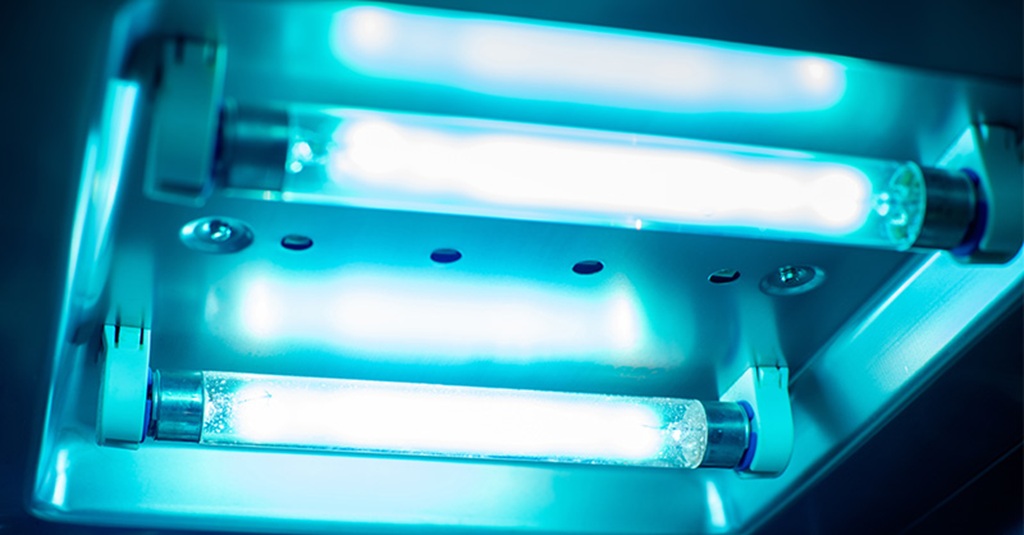
While powerful, UV-C light demands respect and careful implementation. Safety is paramount:
Risk of Direct Exposure
Direct exposure to UV-C radiation can cause painful skin burns (erythema) and eye damage (photokeratitis), similar to welder’s flash. This is why upper-room systems must be meticulously installed to keep rays directed upwards, and direct exposure systems require strict safety interlocks for unoccupied use only. Installation should always be performed by qualified professionals following manufacturer guidelines and industry best practices (e.g., those from the Illuminating Engineering Society – IES).
Ozone Production
Some UV lamps, particularly those emitting wavelengths below 240 nm, can generate ozone (O3), a respiratory irritant. It’s crucial to select GUV systems that use lamps specifically designed not to produce ozone (typically operating at 254 nm) or systems certified as ozone-free, especially for occupied spaces. Always verify manufacturer specifications regarding ozone production.
Material Degradation
Prolonged exposure to UV-C can degrade certain materials, causing plastics to become brittle or colors to fade over time. While upper-room systems minimize direct irradiation of room contents, this can be a consideration for direct exposure systems or for materials located very close to upper-room fixtures over long periods. Material compatibility should be considered during system design and installation.
Maintenance
GUV systems require regular maintenance. Lamps have a finite lifespan and their UV-C output decreases over time, reducing effectiveness. Regular inspection, cleaning of lamps and fixtures, and timely lamp replacement according to manufacturer recommendations are essential to ensure continued performance and safety. Reflective surfaces in upper-room systems also need to be kept clean.
Where Do UV-C Ceiling Panels Shine? Applications
The versatility of UV-C ceiling panels makes them suitable for a wide array of environments seeking enhanced hygiene:
- Healthcare Facilities: Hospitals (waiting rooms, corridors, patient rooms, operating theaters – often direct systems for terminal cleaning), clinics, dental offices.
- Educational Institutions: Classrooms, libraries, cafeterias, gyms.
- Offices and Workplaces: Open-plan offices, conference rooms, break rooms.
- Hospitality and Retail: Hotel lobbies, restaurants, stores, fitness centers.
- Transportation: Airports, bus and train stations.
- Public Buildings: Community centers, government offices.
- Residential: While less common, specialized units are becoming available for home use, particularly for allergy sufferers or those with compromised immune systems.
Related: What Color Bulb for Kitchen: Illuminating Your Home
People Also Ask (FAQs)
Q1: Are UV light ceiling panels safe?
A: Yes, when installed and used correctly according to established safety guidelines. Upper-room GUV systems are designed for use in occupied spaces by keeping the UV-C radiation confined to the upper part of the room, away from people. Direct exposure systems are only safe when operated in unoccupied rooms with proper safety interlocks (sensors, timers). Always choose reputable manufacturers and ensure professional installation.
Q2: Do UV ceiling lights kill COVID-19?
A: Yes, UV-C light has been proven effective at inactivating the SARS-CoV-2 virus, which causes COVID-19. GUV systems, including ceiling panels, can significantly reduce the concentration of airborne SARS-CoV-2 virus particles in indoor environments when properly designed and implemented.
Q3: How effective are germicidal UV lights?
A: Germicidal UV-C light is highly effective against a broad spectrum of microorganisms, including bacteria, viruses, and mold spores. Effectiveness in a real-world setting depends on factors like UV-C dose (intensity x time), airflow patterns, humidity, lamp placement, and the specific pathogen. Well-designed systems can achieve significant reductions in airborne microbial load.
Q4: Do UV-C lights produce ozone?
A: Some UV lamps can produce ozone, particularly those emitting wavelengths below 240 nm. However, most germicidal lamps used for air and surface disinfection operate at 254 nm and are specifically designed to produce minimal or no ozone. It is crucial to select lamps and fixtures certified as low-ozone or ozone-free for occupied spaces.
Q5: What is the difference between UV-C and Far-UVC?
A: Both are types of ultraviolet light with germicidal properties. Conventional UV-C typically uses 254 nm light, which is effective but harmful to human skin and eyes upon direct exposure. Far-UVC uses shorter wavelengths, primarily 222 nm. Research suggests Far-UVC can still inactivate pathogens but may be significantly safer for direct human exposure because its shorter wavelength means it cannot penetrate the outer protective layers of human skin or eyes. Far-UVC is a promising, newer technology still undergoing research and regulatory evaluation for widespread use in occupied spaces.
Q6: How much do germicidal UV ceiling panels cost?
A: Costs vary widely based on the type of system (upper-room vs. direct), coverage area, features (integrated lighting, sensors), brand reputation, and installation complexity. Upper-room fixtures might range from a few hundred to over a thousand dollars per unit, plus installation costs. Direct exposure systems with sophisticated safety controls can be more expensive. Total project cost depends heavily on the size and number of rooms being treated.
Conclusion: Illuminating a Path to Healthier Indoors
Germicidal UV light ceiling panels represent a significant advancement in our ability to maintain cleaner and safer indoor environments. By harnessing the power of UV-C light, these systems offer a proactive, automated, and chemical-free method for reducing the presence of harmful airborne pathogens. Whether implemented as upper-room GUV for continuous air disinfection in occupied spaces or as direct exposure systems for thorough cleaning when rooms are vacant. They provide a valuable supplement to traditional hygiene protocols.
However, the successful and safe deployment of this technology hinges on proper understanding, careful planning, professional installation, and adherence to safety standards. Choosing the right type of system, ensuring it’s ozone-free for occupied areas, and committing to regular maintenance are critical steps. As technology continues to evolve, particularly with developments like Far-UVC. We can expect germicidal lighting solutions to become even more sophisticated and integral to designing and maintaining healthy buildings. In the ongoing effort to protect public health, UV-C ceiling panels are lighting the way towards cleaner air and safer indoor spaces for everyone.