











Choosing the right color bulb for the kitchen can make a massive difference in both the ambiance and functionality of the space. Your kitchen isn’t just a room where meals are prepared—it’s often the heart of the home, where families gather, guests are entertained, and creativity in cooking flourishes. The right lighting enhances your kitchen’s aesthetics and ensures that tasks such as chopping, cooking, and cleaning are safe and easy. We’ll explore what color bulb for kitchen suits different types of kitchen setups, the science behind light temperatures, and why it matters when choosing lighting. By the end of this article, you’ll have all the insight needed to make your kitchen an inviting, bright, and functional space.
Understanding Light Temperature: The Key to Choosing the Right Bulb
Light temperature is measured in Kelvin (K), and it determines the hue emitted by a bulb. Light color plays a crucial role in setting the mood, so understanding Kelvin ratings can help you make the best choice for your kitchen.
- Warm Light (2700K-3000K): Creates a cozy, inviting atmosphere, similar to sunset light. Ideal for dining areas and kitchens with a classic, warm aesthetic.
- Neutral Light (3500K-4100K): Offers a balance between warm and cool tones, perfect for general kitchen lighting. It mimics natural daylight, making it an excellent choice for kitchens that serve both functional and decorative purposes.
- Cool Light (5000K-6000K): Bright, white light ideal for task-oriented areas such as countertops or islands. This light color enhances visibility and makes food preparation easier.
What Color Bulb for Kitchen Island?

The kitchen island often serves as both a work and social space, so it requires versatile lighting. If you use your island primarily for preparing meals, cool white bulbs (5000K-6000K) will be the most beneficial. They provide crisp illumination that enhances visibility.
For those who use the kitchen island as a dining area or for casual conversations, a warm white bulb (2700K-3000K) creates a cozier, more intimate ambiance. It also helps blend the space into the rest of your home, especially if your kitchen is part of an open-plan living area.
Warm vs. Cool Lighting: What’s Better for Kitchen?
Many homeowners debate between warm and cool lighting for their kitchen, but the answer depends largely on how you use the space. Cool lighting, generally above 5000K, is bright and vibrant, making it the top choice for functional areas like prep stations, sinks, and under-cabinet lighting. Cool light makes it easier to see details, ensuring tasks are completed safely.
Warm lighting, with a softer glow around 2700K-3000K, can make your kitchen feel more like a gathering place. It’s ideal for areas where people tend to socialize, such as over a kitchen table or around the kitchen island.
Task Lighting vs Ambient Lighting: Layering Your Kitchen Illumination
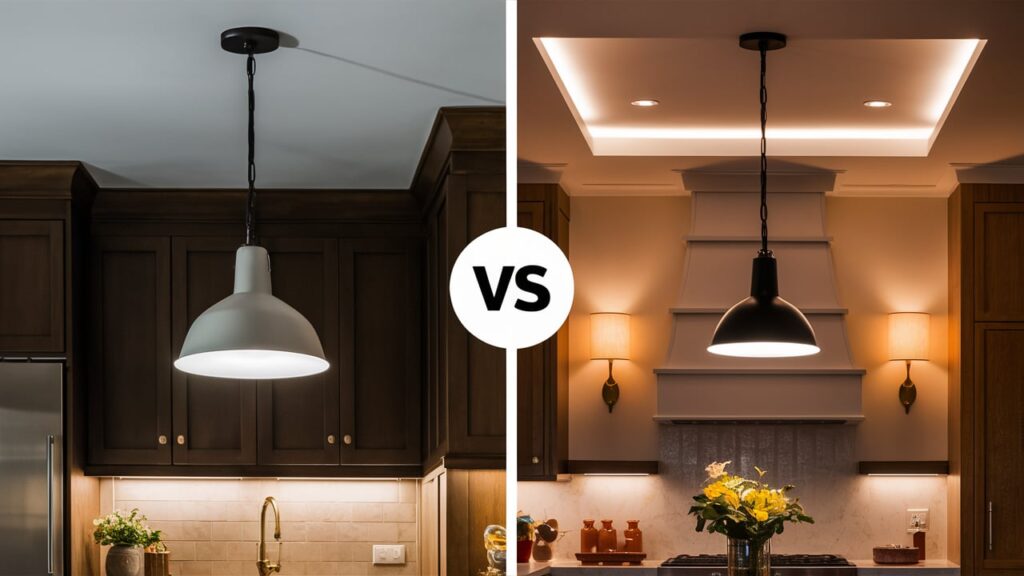
To create a well-lit kitchen, it’s essential to layer different types of lighting:
- Task Lighting: Designed for specific activities, task lighting is essential in work areas such as countertops, islands, and stovetops. Cool white or daylight bulbs (5000K-6000K) work best here because they mimic natural sunlight, making it easier to see what you’re doing. LED strip lights under cabinets are a great option for this type of lighting.
- Ambient Lighting: This is the general lighting that illuminates the entire room. For ambient lighting, a neutral white bulb (3500K-4100K) is often the best choice, offering a balance between warm and cool tones that doesn’t overpower the space.
- Accent Lighting: If you want to highlight certain features in your kitchen, such as a beautiful backsplash or architectural detail, accent lighting can add drama. Warm white bulbs (2700K) are typically used for accent lighting to create a soothing and pleasant glow.
LED, Halogen, or Incandescent: What’s the Best Bulb Type for Kitchen?
When deciding on the type of bulb, you need to consider the longevity, energy efficiency, and color range:
- LED Bulbs: These are the most energy-efficient bulbs available and have a wide color temperature range, from warm to cool. They are long-lasting, meaning you won’t need to replace them frequently, making them ideal for busy kitchens.
- Halogen Bulbs: Offering a bright, white light, halogen bulbs are excellent for task lighting. However, they consume more energy compared to LEDs and don’t last as long.
- Incandescent Bulbs: Known for their warm light, incandescent bulbs create a cozy atmosphere but are not energy efficient. Their shorter lifespan and high energy consumption make them less ideal for high-use areas like the kitchen.
What Color Bulb for Kitchen with Dark Cabinets?
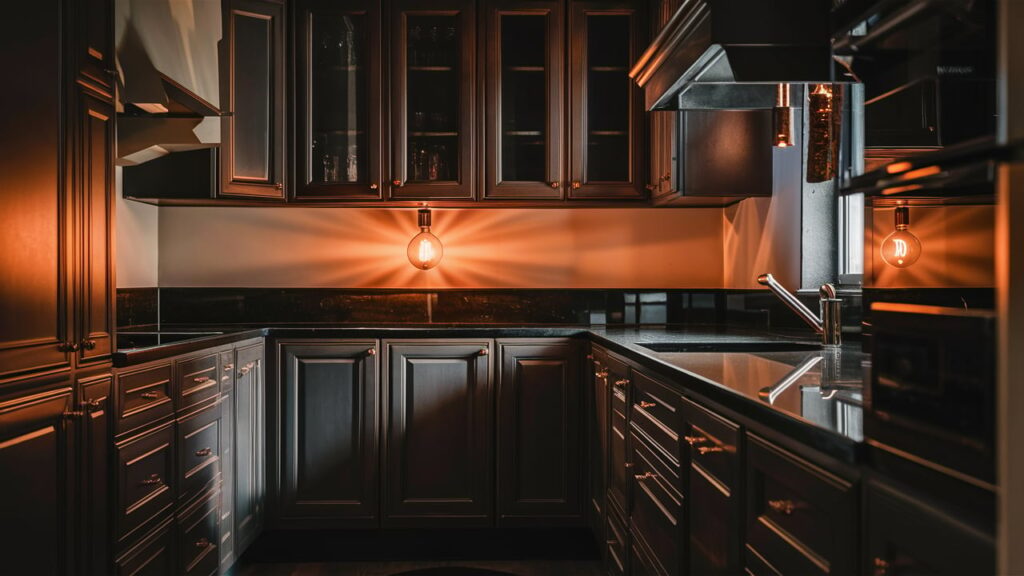
Dark cabinets can make a kitchen feel smaller or more enclosed, but the right lighting can counteract that effect. Cool white bulbs (5000K-6000K) are perfect for brightening up kitchens with dark cabinetry, as they contrast well with the darker tones and make the space feel larger and more open.
If you’re aiming for a more intimate, sophisticated look, opt for neutral white bulbs (3500K-4100K). This lighting is still bright enough to create contrast but adds a softer glow that doesn’t overpower the dark elements.
Natural Light vs. Artificial Light: Finding the Balance
Many kitchens have a combination of natural and artificial light, but when should you rely on one more than the other? Natural light is ideal for daytime use, especially if your kitchen has large windows or skylights. But when the sun goes down or on gloomy days, you’ll need artificial lighting that mimics the vibrancy of natural light.
For kitchens with limited natural light, cool white or daylight bulbs (5000K-6000K) can make the space feel airy and bright, preventing a dreary atmosphere. If your kitchen already enjoys plenty of sunlight, warmer bulbs (2700K-3000K) may help maintain a more balanced, homely feel in the evenings.
What Color Bulb for Kitchen with White Cabinets?
White cabinets are classic and can make any kitchen look clean and bright. But the color of the bulbs you choose can enhance or diminish their impact. Cool white bulbs (5000K-6000K) make white cabinets pop, highlighting their crispness and giving the kitchen a fresh, modern look. On the other hand, if you prefer a more laid-back, cozy vibe, neutral white (3500K-4100K) or warm white bulbs (2700K-3000K) can soften the starkness of white cabinets, making the kitchen feel more inviting.
Smart Bulbs: Flexibility for Modern Kitchens
Smart bulbs offer unparalleled flexibility, allowing you to control not only the intensity of your kitchen lighting but also the color temperature with a simple voice command or via an app. These bulbs can shift from cool white light for cooking to warm light for entertaining.
Smart lighting is especially helpful in multifunctional kitchens, where the space may serve as both a workspace during the day and a dining or entertainment area in the evening. With the ability to adjust the light temperature on the fly, you can create the perfect ambiance for any occasion.
Energy Efficiency: Reducing Consumption Without Compromising Quality
When selecting kitchen bulbs, energy efficiency should be a top consideration, especially if your kitchen lights are frequently on. LED bulbs are the most energy-efficient choice, using significantly less power than incandescent or halogen options while still providing excellent brightness and a range of color temperatures.
Furthermore, many LED bulbs are now dimmable, allowing you to adjust the brightness to match the time of day or activity, saving even more energy.
Under-Cabinet Lighting: Enhancing Functionality and Style
Under-cabinet lighting is a must-have for any kitchen that prioritizes both function and style. These lights illuminate the countertop, eliminating shadows and making food prep safer and easier. For this type of lighting, cool white or daylight bulbs (5000K-6000K) are ideal, as they provide the bright, clear light needed for precision tasks.
Strip LEDs or puck lights are common choices for under-cabinet lighting, and many now come in dimmable or smart versions to give you full control over your kitchen’s lighting levels.
What Color Bulb for Kitchen Ceiling?

The ceiling lights in your kitchen are usually the primary source of ambient light, so it’s important to choose the right color temperature. For most kitchens, a neutral white bulb (3500K-4100K) strikes the perfect balance, offering a bright yet welcoming light that can transition seamlessly between different kitchen tasks and activities.
If your kitchen is particularly small or has low ceilings, cool white bulbs (5000K-6000K) may help make the room feel larger and more open. Conversely, warm white bulbs (2700K-3000K) can create a more intimate, cozy atmosphere for larger kitchens or open-plan spaces.
What Color Bulb for Kitchen with Stainless Steel Appliances?
Stainless steel appliances add a sleek, modern touch to any kitchen, and the right lighting can highlight their shine. Cool white bulbs (5000K-6000K) are the best choice for kitchens with stainless steel, as they accentuate the clean, reflective surfaces and give the room a high-end, polished feel.
In contrast, warmer bulbs can create a more traditional look but might not provide the crispness that makes stainless steel stand out.
Conclusion
When it comes to choosing the right color bulb for your kitchen, there isn’t a one-size-fits-all solution. Every kitchen has its own unique needs based on its size, layout, and use. However, understanding the nuances of light temperature, layering your lighting, and selecting energy-efficient bulbs can transform your kitchen from a simple cooking space into the vibrant heart of your home.