









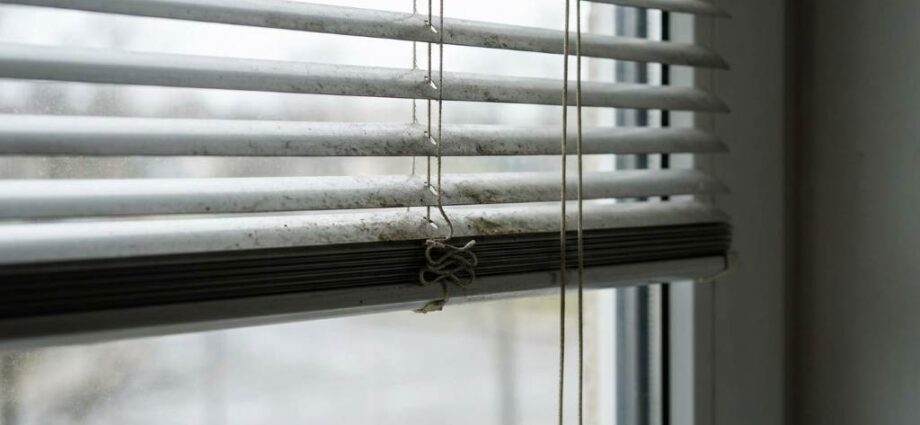
Window treatments collect more dirt than many homeowners realize. According to indoor air studies, dust and airborne particles can build up quickly on blinds, shades, and drapes. In Dallas, strong winds, pollen, and summer heat make the problem even worse. Therefore, regular cleaning protects both appearance and indoor air quality. Many homeowners also search for tips on washing white venetian blinds at home because blinds often trap visible grime. This guide explains practical ways to remove stubborn buildup from window coverings without causing damage.
Why Window Treatments Get Dirty Faster in Dallas
Dallas experiences hot summers, dry periods, and seasonal storms. As a result, outdoor dust often enters homes through doors and windows. Fine particles settle on window coverings every day. Consequently, grime develops faster than many homeowners expect.
Pollen also contributes to dirty blinds and shades. During peak allergy seasons, airborne particles cling to fabric and hard surfaces. In addition, cooking residue and pet dander increase buildup indoors. Together, these elements create stubborn layers that simple dusting cannot remove.
Many homes also deal with road dust from nearby traffic. Those particles often stick to moisture in the air. Therefore, window coverings near busy streets require more attention. Regular maintenance prevents deep staining and discoloration.

Identify Your Window Treatment Material First
Before cleaning, determine the material of your window treatment. Different materials require different methods. Otherwise, aggressive cleaning can cause permanent damage. A quick inspection saves time and money.
Wood Blinds
Wood blinds need gentle care and limited moisture. Excess water may cause warping over time. Therefore, use a microfiber cloth and mild cleaner. Avoid soaking the slats during cleaning.
Faux Wood Blinds
Faux wood handles moisture better than real wood. However, heavy scrubbing can still damage finishes. Use warm water with mild soap when needed. Then dry the surface completely.
Fabric Shades and Drapes
Fabric treatments absorb odors, dust, and oils. Therefore, vacuuming becomes an important first step. Some fabrics allow machine washing, while others require professional care. Always check manufacturer recommendations before cleaning.
Cellular and Roller Shades
These shades often trap dust inside folds and seams. Consequently, homeowners should use vacuum attachments regularly. Spot cleaning works well for small stains. However, excessive moisture may damage some materials.
Essential Tools for Removing Stubborn Grime
The right tools make cleaning easier and safer. They also help protect delicate materials from wear. Therefore, gather supplies before starting. Preparation improves results significantly.
- Microfiber cloths
- Vacuum with brush attachment
- Mild dish soap
- Soft sponge
- Warm water
- White vinegar
- Spray bottle
- Cotton gloves for dusting
Many homeowners overlook proper inspection before cleaning. Yet checking nearby window frames helps identify hidden issues. For example, damage around windows may allow extra dust indoors. Learning how window warriors patch up damaged windows highlights the importance of preventing dirt infiltration.
Step by Step Process to Remove Heavy Grime
Start With Dry Dust Removal
Always remove loose dust before applying moisture. Otherwise, dirt turns into muddy residue. Use a vacuum brush attachment carefully. Then wipe surfaces with a dry microfiber cloth.
This step reduces scratching during deeper cleaning. In addition, it reveals areas with concentrated grime. Focus on corners and edges first. Those spots usually collect the most debris.
Use a Mild Cleaning Solution
Mix warm water with a few drops of dish soap. Then dampen a microfiber cloth lightly. Wipe each section carefully without oversaturating materials. Gentle cleaning protects finishes and fabrics.
For stubborn grime, allow the solution to sit briefly. However, do not leave moisture too long. Afterward, wipe the area again. Most buildup loosens during this process.
Apply Vinegar for Greasy Residue
Kitchen window treatments often collect grease particles. Therefore, vinegar becomes a useful cleaning aid. Mix equal parts vinegar and water. Then apply it sparingly to affected areas.
The solution helps break down sticky residue naturally. Moreover, it removes mild odors from fabrics. Always test a hidden area first. This precaution prevents unexpected discoloration.
Special Cleaning Tips for Dallas Homes
Dallas weather creates unique cleaning challenges. Strong winds frequently carry dust into homes. Consequently, window coverings near entry points require more frequent care. Monthly inspections help prevent heavy buildup.
Many homeowners upgrade windows to improve indoor comfort. Better insulation often reduces airborne dust movement. Therefore, understanding choose the best replacement windows can support a cleaner indoor environment over time.
Homes near construction zones face additional dust exposure. Fine particles settle quickly on blinds and shades. As a result, weekly dusting becomes essential. Consistent maintenance reduces deep cleaning efforts later.
An Overlooked Cause of Grime Most Blogs Ignore
Many cleaning guides focus only on dust and dirt. However, electrostatic attraction plays a major role. Certain synthetic materials attract airborne particles continuously. Consequently, grime returns faster even after cleaning.
Low indoor humidity can increase static buildup. Dallas often experiences dry conditions during certain months. Therefore, synthetic shades may collect dust more aggressively. A humidifier sometimes reduces this issue.
Anti static fabric sprays may also help. When used correctly, they reduce particle attraction. As a result, window treatments stay cleaner longer. Few homeowners consider this simple solution.
How to Clean Different Types of Stains
Pet Related Stains
Pets often leave oils and dirt on lower sections. Therefore, clean affected areas promptly. Use mild soap and water first. Then dry thoroughly after treatment.
Smoke Residue
Smoke creates sticky deposits that attract dust. Consequently, ordinary dusting rarely works well. Vinegar solutions help break down residue. Repeat cleaning if necessary.
Food and Beverage Splashes
Small splashes near dining areas can leave visible marks. Therefore, spot cleaning should happen quickly. Use a damp cloth with mild soap. Then blot the area dry.
Preventing Future Grime Buildup
Prevention saves significant cleaning time. Therefore, create a regular maintenance schedule. Consistent care keeps dirt from becoming stubborn. Small efforts produce better long term results.
- Dust blinds weekly
- Vacuum fabric treatments monthly
- Keep windows closed during dust storms
- Replace HVAC filters regularly
- Clean nearby window frames often
Indoor comfort improvements also support cleanliness. Better windows reduce drafts and dust movement. In fact, homeowners often notice benefits after exploring how window replacement in huntsville style upgrades improve interior conditions.
When Professional Cleaning Makes Sense
Some situations require professional assistance. Delicate fabrics often need specialized cleaning methods. In addition, antique window treatments deserve extra care. Professional services help avoid costly mistakes.
Heavy staining may also justify expert cleaning. Certain contaminants penetrate deeply into fabrics. Therefore, home methods sometimes provide limited results. Professionals often restore materials more effectively.
If allergies remain a concern, professional deep cleaning helps remove hidden particles. Specialized equipment reaches difficult areas. Consequently, indoor air quality often improves. Many homeowners find the investment worthwhile.
Common Cleaning Mistakes to Avoid
Several mistakes can shorten the lifespan of window treatments. Therefore, avoid harsh chemicals whenever possible. Strong cleaners may fade colors quickly. Gentle products deliver safer results.
Many people also use excessive water. Unfortunately, moisture can damage wood and fabrics. Instead, use lightly damp cloths. Controlled cleaning prevents unnecessary problems.
Another common mistake involves skipping routine maintenance. Dust accumulates gradually over time. Consequently, cleaning becomes harder later. Frequent light cleaning works best.
Conclusion
Removing stubborn grime from window treatments in Dallas requires the right approach. Local weather conditions make regular maintenance especially important. Fortunately, proper tools and techniques simplify the process. By cleaning consistently and addressing stains early, homeowners can extend the life of blinds, shades, and drapes. Start a maintenance routine today and keep your window treatments looking fresh, clean, and attractive throughout the year.
FAQs
How often should I clean window treatments in Dallas?
Dust weekly and perform deeper cleaning every one to three months.
Can vinegar damage window treatments?
Vinegar is generally safe when diluted properly and tested first.
What removes sticky grime from blinds?
A mild soap solution followed by gentle wiping usually removes sticky residue.
Should I remove blinds before cleaning them?
No, most blinds can be cleaned effectively while hanging.
When should I hire a professional cleaner?
Hire a professional for delicate fabrics, severe stains, or antique window treatments.