





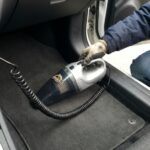



Cleaning your car at home sounds simple until you realize a household vacuum struggles with ground-in dirt, crumbs lodged in seat rails, and spilled coffee that has dried into the carpet. The Armor All 2 Peak HP Wet/Dry Vac is built to handle those jobs with strong suction and wet-dry versatility, which means fewer trips to a professional detailer and less money spent over time. This article explains how that suction power translates into real cleaning performance, where the vacuum excels, where it falls short, and how to decide whether it fits your car care routine.
Key Takeaways
- A wet/dry vacuum with strong suction removes dry debris and liquid spills in one tool, reducing the need for paid detailing appointments.
- Peak horsepower is a marketing figure, not a direct measure of cleaning power; airflow and sealed suction matter more in practice.
- The Armor All 2 Peak HP wet/dry vac works well for car interiors, garage cleanup, and small spills, but its compact tank means frequent emptying on large jobs.
- Proper technique, the right attachments, and regular filter maintenance affect results as much as the vacuum’s rated power.
- Buying a capable wet/dry vac once usually costs less over several years than repeated professional interior cleaning.
Why Suction Power Matters More Than You Think for Car Cleaning
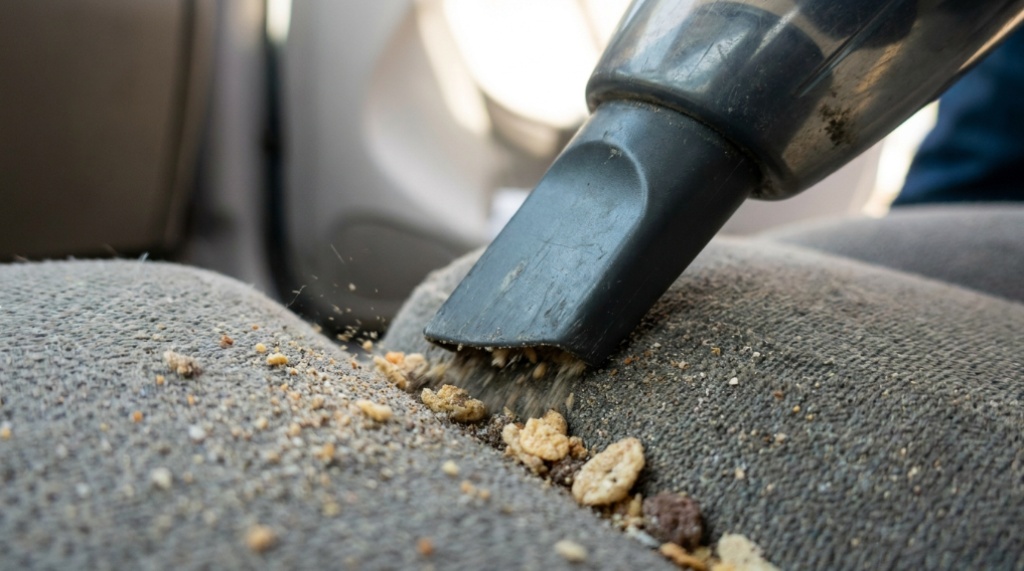
Car interiors collect a mix of debris that ordinary vacuums handle poorly: sand trapped deep in carpet fibers, pet hair woven into fabric, crushed snacks in seat crevices, and dried mud that has bonded to floor mats. Weak suction leaves behind the fine particles you cannot see, and those particles work their way deeper with every trip. Strong suction lifts debris from the base of the carpet rather than just skimming the surface.
Suction also determines how quickly you can finish. A vacuum that requires multiple passes over the same spot turns a fifteen-minute job into an hour. When you are cleaning your own car to avoid detailing costs, that time difference matters as much as the money saved.
Wet-dry capability adds another layer of value. Spilled soda, melted snow, or a leaked water bottle can soak into carpet and cause odor or mildew if left alone. A vacuum designed to handle liquids lets you extract that moisture immediately instead of blotting with towels and hoping for the best. That combination of dry debris pickup and liquid extraction is what makes a powerful car cleaning suction tool genuinely useful rather than just convenient.
What the Armor All 2 Peak HP Wet/Dry Vac Actually Offers
The Armor All 2 Peak HP Wet/Dry Vac is a compact wet-dry vacuum designed for garage, workshop, and vehicle use. It runs on standard household power and includes a hose and attachments suited to reaching into footwells, seat gaps, and trunk corners. The 2 peak horsepower rating refers to the motor’s maximum output under specific conditions, not a guarantee of airflow at the nozzle.
Peak HP vs. Real-World Performance
Peak horsepower is a number measured at the motor under ideal conditions, often at the moment of startup. It does not account for hose length, filter restriction, or attachment design. Two vacuums with the same peak HP rating can perform differently depending on how well their air paths are sealed.
What matters more is sealed suction, measured in inches of water lift, and airflow, measured in cubic feet per minute. Together, these determine whether the vacuum can pull sand from carpet and whether it can sustain that pull through a narrow crevice tool. Manufacturers do not always publish these figures, so user reports and the vacuum’s design become useful indicators.
Tank Size and Capacity Trade-Offs
Compact wet/dry vacs typically hold a few gallons. That is enough for a full car interior, a spilled drink, or a small garage mess. It is not enough for a flooded basement or a major renovation cleanup. If your primary use is car detailing, the smaller tank is an advantage because the unit stays portable and easy to store. If you plan to use it for larger jobs, expect to empty it partway through.
How to Get the Most Suction From Your Car Vacuum
Even a well-designed vacuum loses performance when the filter is clogged, the hose is kinked, or the wrong attachment is used. A few habits make a measurable difference.
- Empty and clean the filter regularly. Fine dust and pet hair clog filter pleats quickly. A clogged filter restricts airflow and reduces suction at the nozzle even if the motor sounds fine.
- Use the narrow crevice tool for tight spaces. Concentrating airflow into a small opening increases pickup force in seat rails, console gaps, and around seat mounts.
- Use the wide nozzle for floor mats and carpet. Broad attachments cover more area per pass and work better for surface debris.
- Check the hose for blockages. Small objects like pen caps or toy parts can lodge in the hose and quietly kill performance.
- Work from top to bottom. Clean dashboards and seats first, then carpets, so falling debris does not re-contaminate areas you already finished.
- Switch to wet mode before liquids. Remove the dry filter and install the wet filter or foam sleeve as directed, or you risk damaging the filter and motor.
These steps take a few minutes and often recover performance that users assume is lost permanently.
Where This Vacuum Saves You Money
Professional interior detailing typically costs a meaningful amount per visit, and many drivers schedule it several times a year. Doing the work yourself with a capable wet-dry vacuum changes that math. After the initial purchase, the ongoing cost is limited to electricity and occasional filter replacement.
The savings come from more than the service fee itself. Quick cleanup after a spill prevents stains from setting, which protects resale value. Regular vacuuming keeps carpets from matting and reduces odors that can require expensive odor treatments later. Pet owners in particular benefit, because pet hair removal is one of the most labor-intensive parts of detailing and one of the easiest tasks to handle at home with the right tool.
There is also a convenience factor that is hard to price but easy to appreciate: cleaning on your schedule instead of waiting for an appointment, and handling small messes before they become big ones.
Limitations and When This Vacuum Is Not the Right Choice
A compact wet-dry vac is not a universal solution. Understanding its limits prevents disappointment.
- Large water volumes: A flooded floor or major spill will exceed the tank quickly. A larger wet/dry vac is more appropriate for those situations.
- Deep carpet shampooing: Wet-dry vacuums extract liquid but do not inject cleaning solution. Full carpet shampooing requires a dedicated extractor.
- Heavy pet hair on upholstery: Suction alone may not lift hair embedded in fabric. A rubber brush or pet hair attachment used before vacuuming improves results.
- Commercial or fleet use: Frequent, high-volume cleaning wears out compact units faster than heavy-duty models.
- Reach and cord length: Corded vacuums need an outlet nearby. If you park far from power, plan accordingly.
If your needs lean toward any of these scenarios, a larger or more specialized machine may be a better investment even if it costs more upfront.
Armor All Vacuum vs. Other Car Cleaning Options
| Option | Best For | Main Advantage | Main Limitation |
|---|---|---|---|
| Armor All 2 Peak HP Wet/Dry Vac | Car interiors, small spills, garage cleanup | Wet and dry capability in one compact unit | Small tank, limited capacity for large jobs |
| Handheld car vacuum | Quick touch-ups, tight spaces | Portable and easy to store | Weaker suction, short runtime on battery models |
| Household canister vacuum | Light interior dust and crumbs | Already available in most homes | Not designed for liquids, may clog on heavy debris |
| Professional detailing service | Deep cleaning, stain and odor treatment | Thorough results with minimal effort | Recurring cost, appointment required |
The right choice depends on how often you clean your car, whether spills are common, and whether you want to handle maintenance yourself. For drivers who clean regularly and want one tool that covers both dry and wet messes, a compact wet-dry vacuum is often the most practical middle ground, For more cleaning tips, check out our guide on how to buy the right vacuum cleaner for home and business use.
Practical Tips for Protecting Your Investment
Wet-dry vacuums last longer when basic maintenance becomes routine. Rinse and dry the tank after wet pickup to prevent odor and mold. Clean or replace filters according to the manufacturer’s guidance rather than waiting for visible clogging. Store the hose and attachments loosely coiled to avoid kinks that restrict airflow. Check the float mechanism periodically if the unit has one, since it prevents water from reaching the motor and stops working if debris jams it.
Following these habits keeps suction strong for years and avoids the most common cause of premature vacuum failure: moisture or dust reaching the motor.
Frequently Asked Questions
Is 2 peak horsepower enough for car cleaning?
For most car interiors, yes. Peak horsepower is a rough indicator, and compact wet-dry vacs with this rating typically handle crumbs, sand, pet hair, and small spills well. Very deep or heavily embedded debris may require multiple passes.
Can a wet/dry vacuum damage car carpet?
No, when used correctly. Avoid holding the nozzle in one spot for extended periods on delicate upholstery, and always switch to the appropriate wet or dry setup. Using a dry filter for liquids can damage the vacuum, not the carpet.
How often should I clean the filter?
Check it after every few uses, and clean or replace it whenever suction drops noticeably. Fine dust and pet hair clog filters faster than larger debris, so households with pets may need more frequent maintenance.
Can this vacuum remove pet hair from car seats?
It can remove loose pet hair, especially with a crevice tool or brush attachment. Hair woven tightly into fabric may need a rubber brush or lint roller first to loosen it before vacuuming.
Does a wet/dry vacuum replace professional detailing?
For routine cleaning and small spills, it can replace many detailing visits. Deep stain removal, odor treatment, and paint correction still benefit from professional equipment and experience.
What is the difference between peak horsepower and suction?
Peak horsepower measures motor output under ideal conditions, while suction reflects actual airflow and lift at the nozzle. Sealed suction and airflow determine real cleaning performance more reliably than peak HP.
Conclusion
The Armor All 2 Peak HP Wet/Dry Vac offers a practical way to handle car interior cleaning without paying for repeated detailing appointments. Its combination of dry debris pickup and liquid extraction covers the messes that accumulate most often, and with proper filter and hose maintenance, suction stays strong over time. The main trade-off is tank capacity, which suits car use but limits large cleanup jobs. If your goal is to clean your own vehicle regularly and save money in the process, this type of vacuum is a sensible starting point.