











A cost effective home renovation is not about choosing the cheapest materials or cutting corners. It’s about making smart decisions that maximize value, functionality, and long-term satisfaction while keeping your budget under control. Many homeowners overspend on upgrades that look impressive but deliver little return, while underinvesting in areas that truly matter for comfort, durability, and resale value.
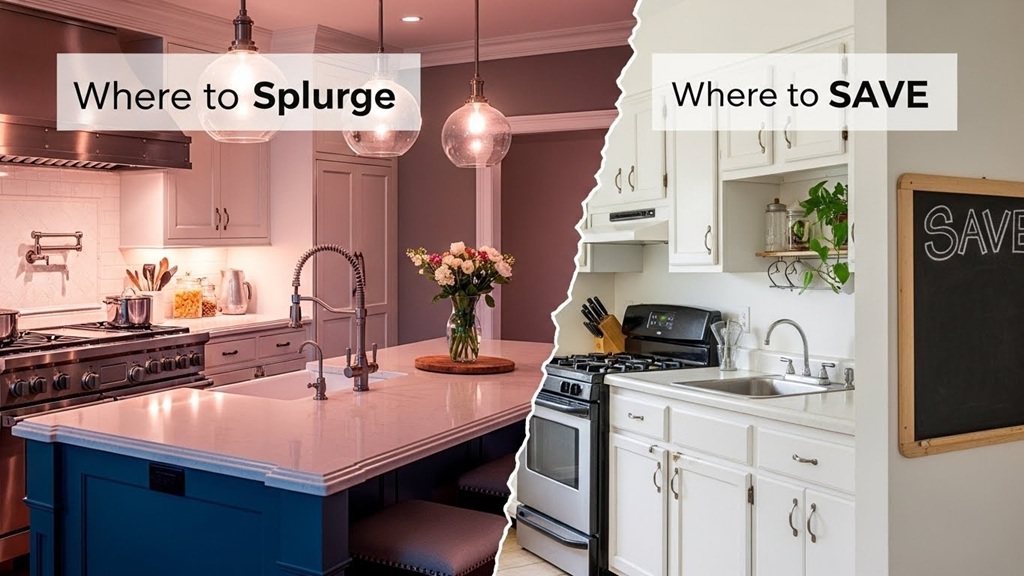
The key lies in knowing where to splurge and where to save. A well-planned remodel balances aesthetics with performance, focusing spending on elements that boost daily living and property value, while trimming costs on features that can be upgraded later or have minimal impact. This approach is especially important in today’s market, where material prices fluctuate and renovation mistakes can quickly inflate budgets.
In this guide, you’ll learn practical renovation ROI tips and proven strategies for smart budgeting for remodels. We’ll break down each major area of the home, explain what’s worth the investment, and show you where savings make sense—without sacrificing quality or style.
How Do You Plan a Cost-Effective Home Renovation From the Start?
Short answer: Set clear goals, define priorities, and budget based on return, not trends.
Every successful remodel begins with planning. Before selecting finishes or calling contractors, clarify why you’re renovating. Are you improving resale value, increasing functionality, or updating an outdated look? Each goal demands a different spending strategy.
- List must-haves versus nice-to-haves.
- Set a realistic budget with a 10–15% contingency.
- Research local resale expectations to avoid overbuilding.
Smart budgeting for remodels starts with aligning spending to outcomes. This prevents emotional purchases and keeps decisions grounded in value.

Where Should You Splurge to Get the Best Renovation ROI?
Short answer: Invest in structural quality, high-use surfaces, and core systems.
Certain elements directly impact durability, safety, and buyer perception. Cutting costs here often leads to repairs, replacements, or lower resale value.
Why Is Kitchen Layout and Function Worth the Investment?
The kitchen consistently delivers one of the highest returns. Splurge on layout improvements, cabinetry quality, and durable countertops. A functional kitchen outperforms a flashy but impractical one.
- Soft-close cabinets with solid construction
- Quartz or granite countertops for durability
- Efficient storage solutions
Why Should Bathrooms Get Strategic Spending?
Bathrooms influence buyer decisions and daily comfort. Invest in waterproofing, plumbing fixtures, and tile installation quality. Poor workmanship here is expensive to fix later.
Is Flooring a Smart Place to Spend More?
Yes—especially in high-traffic areas. Durable flooring like engineered hardwood, quality vinyl plank, or porcelain tile lasts longer and improves home value more than cheap alternatives.
Where Can You Save Without Hurting Long-Term Value?
Short answer: Save on finishes, decor, and easily replaceable features.
A cost effective home renovation avoids overspending on items that don’t significantly impact performance or resale.
How Can You Save on Cabinets and Storage?
Instead of custom cabinetry, consider semi-custom or stock cabinets. Painting or refacing existing cabinets can also deliver a dramatic transformation at a fraction of the cost.
Are Luxury Fixtures Always Necessary?
Not always. Mid-range faucets, lighting, and hardware often offer the same look as premium brands without the markup. Focus on reliability, not brand names.
Can You Save on Design Trends?
Trends fade quickly. Choose neutral, timeless designs for major elements. Save trend-based choices for decor, paint, or accessories that are easy to update later.
How Do Renovation ROI Tips Help You Decide Where to Spend?
Short answer: ROI-focused decisions prevent overspending and future regret.
Renovation ROI tips emphasize spending where value appreciation and usability intersect. According to industry data, kitchens, bathrooms, and energy efficiency upgrades often outperform luxury additions in resale value.
| Renovation Area | Average ROI Impact | Splurge or Save? |
|---|---|---|
| Kitchen Remodel | High | Splurge Strategically |
| Bathroom Update | High | Splurge on Quality |
| Lighting Fixtures | Low–Medium | Save |
| Flooring | Medium–High | Splurge in Key Areas |
How Can Energy Efficiency Improve Cost-Effective Home Renovation?
Short answer: Energy upgrades reduce long-term costs and increase buyer appeal.
Insulation, efficient windows, and modern HVAC systems may not be glamorous, but they significantly lower utility bills and improve comfort. These upgrades often qualify for incentives and are highly attractive to buyers.
Should You DIY or Hire Professionals to Save Money?
Short answer: DIY cosmetic work, hire pros for technical tasks.
DIY projects can save money when limited to painting, minor demolition, or simple installations. Electrical, plumbing, and structural changes should always be handled by licensed professionals to avoid safety risks and costly mistakes.
How Do You Avoid Common Budget-Killing Renovation Mistakes?
Short answer: Plan thoroughly and avoid mid-project changes.
- Finalize designs before construction starts.
- Order materials early to avoid delays.
- Vet contractors carefully.
Changing scope mid-project is one of the fastest ways to blow a budget.
How Can Smart Budgeting for Remodels Increase Home Value?
Short answer: Value-driven spending creates balance and confidence.
Smart budgeting for remodels ensures every dollar works toward function, longevity, or appeal. Instead of chasing luxury, prioritize improvements that future-proof your home and appeal to a broad audience.
What’s the Smartest Way to Approach a Cost-Effective Home Renovation?
A successful cost effective home renovation is built on clarity, not compromise. Knowing where to splurge and where to save allows you to stretch your budget while still achieving a polished, high-quality result. Focus your spending on structure, durability, and daily use. Save on trends, decor, and easily replaceable features.
By applying proven renovation ROI tips and practicing smart budgeting for remodels, you protect your investment and enjoy your space more—now and in the future. Renovation isn’t about spending more. It’s about spending smarter.
Ready to plan your next remodel? Start by listing your priorities, reviewing your budget, and using this guide to make confident, value-driven decisions.
Frequently Asked Questions About Cost-Effective Home Renovation
What is the most cost-effective home renovation project?
Kitchen and bathroom updates typically deliver the highest return when done strategically. Focus on layout, functionality, and quality materials rather than luxury extras.
How do I decide where to splurge and where to save?
Splurge on structural elements, plumbing, flooring, and systems. Save on finishes, fixtures, and decorative features that can be upgraded later.
Are budget renovations bad for resale value?
No. Budget renovations that prioritize quality and function often outperform expensive but impractical upgrades. Buyers value durability and usability.
How much should I budget for unexpected renovation costs?
Set aside 10–15% of your total budget as a contingency to handle surprises without stress.
Do energy-efficient upgrades really pay off?
Yes. Energy-efficient improvements reduce monthly costs and increase buyer interest, making them a smart long-term investment.
Is DIY always cheaper?
DIY can save money for simple tasks, but professional work is essential for electrical, plumbing, and structural projects to avoid costly errors.
Dive Deeper on These Topics: 10 Budget-Friendly Kitchen and Bathroom Makeovers Anyone Can Start Today
Continue Your Journey: Kitchen Remodeling Ideas to Create a Healthier, More Functional Space