









Traveling with toddlers can be challenging, especially during long journeys. One essential item that many parents overlook is a quality travel pillow designed specifically for young children. A comfortable pillow can make the difference between a peaceful trip and hours of discomfort for your little one. This guide will help you choose the perfect option for your family’s adventures.
Understanding Why Your Toddler Needs a Travel Pillow
Young children have unique support needs that differ from adults. Their developing necks and spines require proper alignment during sleep, particularly when sitting upright in car seats or airplane seats. Without adequate support, toddlers may wake up with stiff necks or feel uncomfortable throughout the journey.
Additionally, having a familiar comfort item helps children feel secure in unfamiliar environments. A dedicated pillow for travel becomes a consistent part of their routine, signaling that it’s time to rest. This psychological comfort can reduce travel anxiety and help your child settle down more quickly.
Furthermore, adult pillows are simply too large for small bodies. They can obstruct breathing or force the head into unnatural positions. Therefore, investing in an appropriately sized option is crucial for both safety and comfort.
Key Features to Look For
Size and Portability
The ideal pillow should be compact enough to carry easily without taking up excessive luggage space. However, it must still provide adequate support for your child’s head and neck. Look for designs that compress or fold into smaller packages when not in use.
Many options come with carrying bags or straps that attach to backpacks or suitcases. This feature proves invaluable when you’re juggling multiple bags and a tired toddler. Lightweight materials also make a significant difference, especially during airport security checks or when packing for family road trips.
Material and Washability
Toddlers are messy travelers. Spills, drool, and unexpected accidents are part of the journey. Consequently, choosing a pillow with a removable, machine-washable cover is essential. Look for materials that dry quickly and resist staining.
The filling material matters too. Memory foam provides excellent support but may retain heat. Microbeads offer flexibility and breathability. Polyester fiberfill is soft and lightweight. Consider your child’s tendency to overheat and any potential allergies when selecting materials.
Hypoallergenic fabrics protect sensitive skin and reduce the risk of reactions during travel. Breathable materials prevent excessive sweating, which can disturb sleep and cause discomfort.
Support and Comfort Design
Different pillow shapes serve different purposes. Neck pillows provide targeted support for upright sleeping positions. Flat pillows work better when your child can lie down partially. Some designs combine both features with adjustable shapes.
The firmness level should support without being too rigid. A pillow that’s too soft won’t provide adequate neck support, while one that’s too firm may feel uncomfortable. Testing the pillow before a long trip helps ensure your child accepts it readily.
Ergonomic designs that follow the natural curve of a toddler’s neck prevent strain and promote better sleep quality. Some pillows feature raised edges that prevent the head from tilting too far to either side.
Types of Travel Pillows for Young Children
U-Shaped Neck Pillows
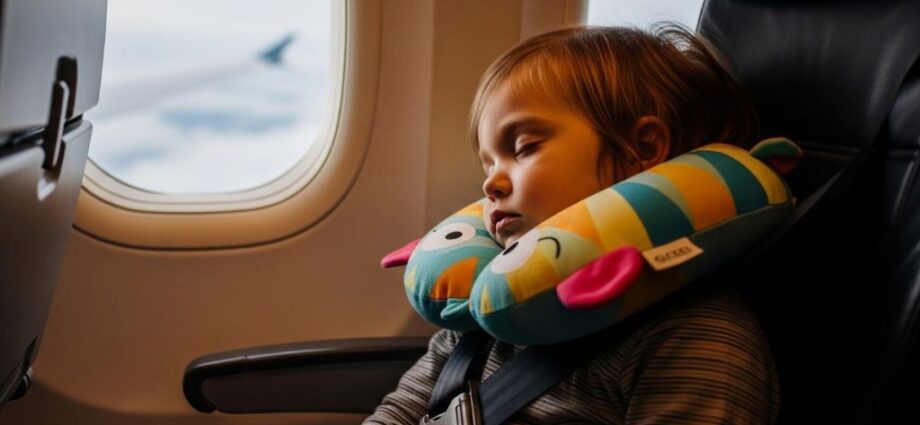
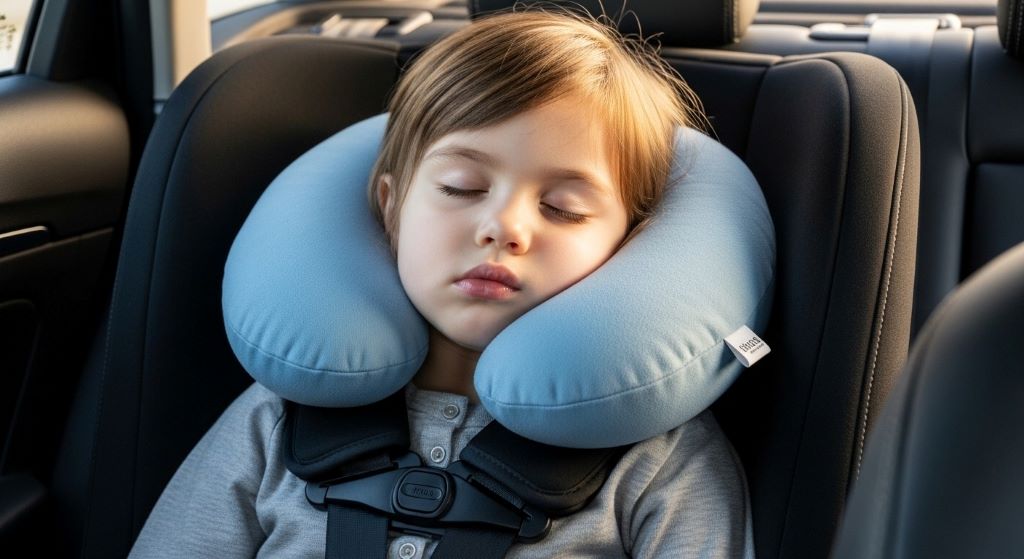
These classic designs wrap around the neck, providing support on all sides. They prevent the head from falling forward or to the side during sleep. Many versions include adjustable closures to fit growing children perfectly.
U-shaped pillows work exceptionally well on airplanes and in car seats where children sit upright for extended periods. They’re easy to pack and generally affordable. However, some toddlers find them restrictive initially and need time to adjust.
Flat Rectangular Pillows
Traditional flat pillows offer versatility for different sleeping positions. Children can use them while leaning against windows, resting on tray tables, or lying across seats when space allows. These options often feel more familiar to toddlers who use regular pillows at home.
The main advantage is adaptability. Your child can position the pillow wherever they find most comfortable. Nevertheless, they provide less structured support than shaped designs, which may not suit all travel scenarios.
Inflatable Options
Inflatable pillows offer maximum portability since they pack down to almost nothing when deflated. This feature makes them ideal for backpacking trips or when luggage space is extremely limited. Modern designs inflate quickly with just a few breaths.
The drawback is that some children find the plastic texture less comfortable than fabric. Also, there’s always a small risk of punctures, though quality brands use durable materials. Keep a repair patch handy just in case.
Convertible Designs
Some innovative products transform from neck pillows to flat pillows or even small blankets. These multi-functional items reduce the number of comfort items you need to pack. They adapt to different stages of your journey and various seating arrangements.
While convertible designs cost more initially, they offer excellent value by serving multiple purposes. They grow with your child and remain useful as their travel needs evolve.
Safety Considerations
Safety should always be your top priority when selecting any product for your toddler. Ensure the pillow doesn’t have small parts that could detach and become choking hazards. Check that zippers are covered or secured to prevent pinching delicate skin.
The pillow should not obstruct your child’s breathing in any position. Avoid overly fluffy designs that could pose suffocation risks, particularly for younger toddlers. Always supervise your child, especially when they first start using a new pillow.
Additionally, verify that materials meet safety standards for children’s products. Look for certifications from recognized testing organizations. Avoid products with strong chemical odors that might indicate harmful substances.
Age-Appropriate Selection
Different ages have different requirements. Toddlers between one and two years need very small, minimal pillows. As children approach three and four years old, they can handle slightly larger options with more structure.
Consider your child’s size rather than just their age. A petite three-year-old might do better with a pillow designed for younger children. Conversely, a larger toddler might need something with more substantial support.
Testing the fit is crucial. The pillow should support the neck without pushing the head too far forward or tilting it backward. Your child should appear comfortable and relaxed when using it.
Budget-Friendly Versus Premium Options
Travel pillows range dramatically in price. Budget options typically cost between ten and twenty dollars, while premium designs can exceed fifty dollars. However, price doesn’t always indicate quality.
Affordable pillows can perform excellently if they meet the essential criteria of proper size, washability, and adequate support. Premium versions often feature superior materials, innovative designs, and longer warranties. They may also include additional features like built-in pockets or attached toys.
Consider how frequently you travel when deciding on budget. If you take long trips regularly, investing in a higher-quality option makes sense. For occasional travelers, a moderately priced pillow should suffice.
Testing Before Long Journeys
Never introduce a new pillow during an important trip. Test it during short car rides or at home during nap time first. This approach helps your child become familiar with the pillow and allows you to identify any issues.
Some children need several exposures before accepting a new comfort item. Patience during this adjustment period prevents travel day meltdowns. Make the pillow part of their regular sleep routine when possible.
If your child consistently rejects a particular style, don’t force it. Try a different design instead. Comfort is subjective, and what works for one child may not suit another.
Maintenance and Care Tips
Proper care extends the life of your investment. Wash the cover regularly, especially after long trips. Most covers tolerate frequent washing without deteriorating. Air out the pillow itself between uses to prevent odor buildup.
Store the pillow in a clean, dry place rather than leaving it compressed in luggage. This practice helps maintain its shape and support properties. Check regularly for signs of wear like thinning fabric or compressed filling.
Replace the pillow when it no longer provides adequate support or shows significant wear. Growing children will eventually need larger sizes anyway, so periodic replacement is normal and necessary.
Making the Final Decision
Start by measuring your child and considering your typical travel scenarios. List the features that matter most for your family’s needs. Read reviews from other parents who travel frequently with toddlers.
When possible, let your child participate in the selection process. Choosing their favorite color or character design increases the likelihood they’ll accept and use the pillow. However, ensure the design meets all practical requirements first.
Remember that the best kids travel pillow is one your child will actually use. Balancing practical features with your child’s preferences creates the winning combination. Don’t be discouraged if your first choice doesn’t work perfectly. Finding the right portable toddler pillow sometimes requires trial and error.
Conclusion
Selecting the right travel pillow for your toddler enhances everyone’s travel experience. Focus on appropriate sizing, easy maintenance, and proper support for your child’s developing body. Consider safety features and age-appropriate designs carefully. Test options before important trips and choose materials that suit your child’s needs.
Whether you select a classic U-shaped design, a versatile flat pillow, or an innovative convertible option, the right choice will make long journeys more comfortable. Invest time in finding a pillow that meets both practical requirements and your child’s preferences. With the perfect travel pillow, your little one can rest peacefully while you enjoy a more relaxed journey together.
Frequently Asked Questions
What age should my child start using a travel pillow?
Most children can begin using travel pillows around 18 months to two years old. However, this depends on their size and development. Always ensure the pillow fits properly without forcing their head into uncomfortable positions. Consult your pediatrician if you’re unsure whether your toddler is ready for a travel pillow.
How do I clean a toddler travel pillow?
Most pillows feature removable covers that you can machine wash in cold water on a gentle cycle. Air dry or use low heat to prevent shrinking. For the pillow insert, spot clean with mild soap and water, then air dry completely. Check the manufacturer’s instructions for specific care requirements, as some materials need special handling.
Can my toddler use the same pillow for airplanes and car trips?
Yes, many travel pillows work well in multiple scenarios. U-shaped neck pillows particularly excel in both airplanes and car seats. However, you might prefer different styles for different situations. Some families keep one pillow in the car and another in their flight bag for convenience.
Are inflatable pillows safe for toddlers?
Quality inflatable pillows are safe when used correctly. Ensure you don’t over-inflate them, as this makes them too firm and uncomfortable. Always supervise young children with inflatable items. Choose designs with soft, flocked surfaces rather than slippery plastic for better comfort and grip.
How often should I replace my child’s travel pillow?
Replace the pillow when it no longer provides adequate support, shows visible wear, or becomes too small for your growing child. With proper care, quality pillows last one to two years. However, frequent travelers might need replacements more often due to regular use and washing.
Related Topics:
How to Style a King Size Bedroom Set Easily
Best Pillow for Side Sleepers: Coop Home Goods Honest Review