










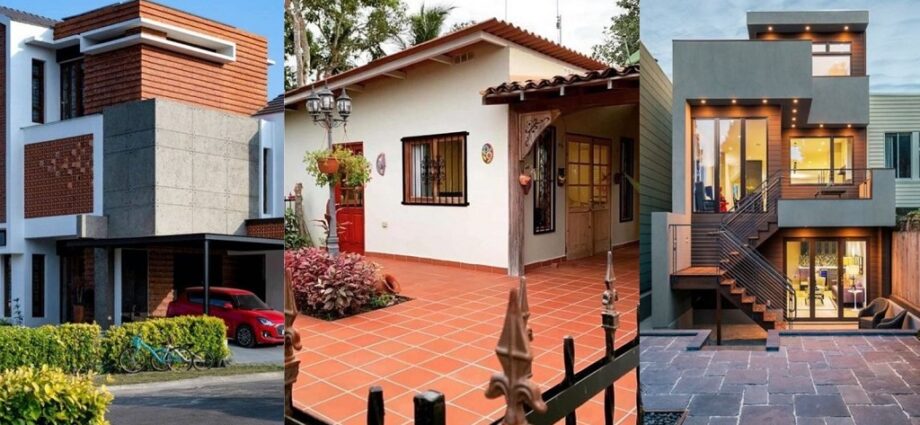
When it comes to designing your home’s exterior, the choice between modern and classic styles can be a daunting one. Both offer unique advantages and drawbacks, and the best choice for you will depend on your personal preferences and the overall aesthetic you want to achieve. In this article, we’ll explore the key differences between modern and classic exterior design styles, helping you make an informed decision that will elevate your home’s curb appeal.
Modern Exterior Design: A Symphony of Simplicity and Functionality
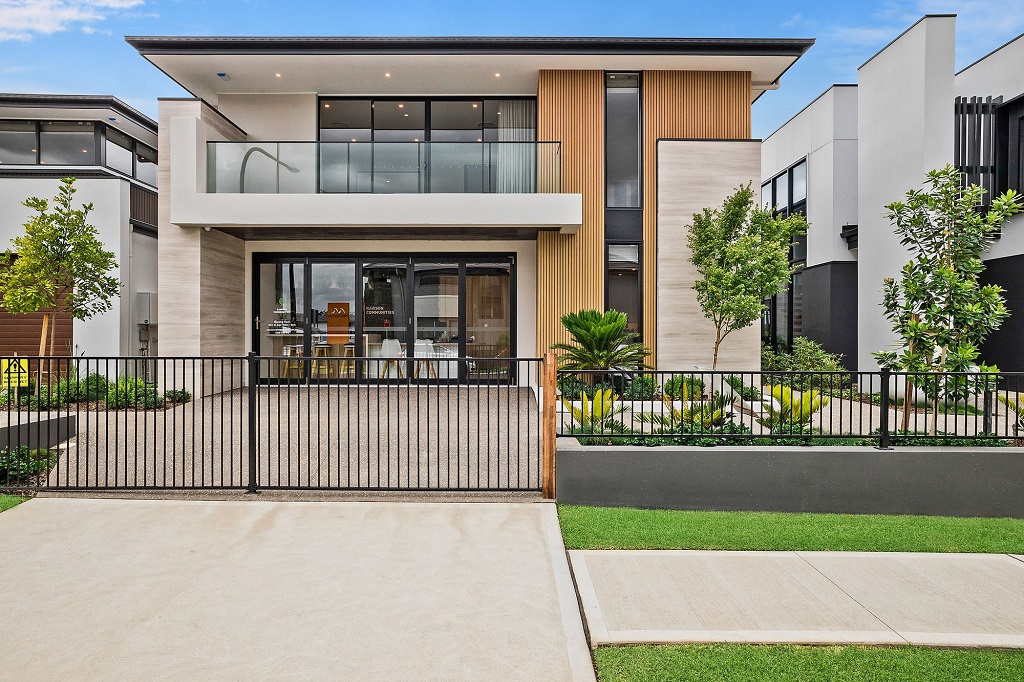
Modern exterior design is characterized by clean lines, minimalist forms, and a focus on functionality. It embraces a contemporary aesthetic that celebrates simplicity and often incorporates innovative materials like glass, steel, and concrete. Modern homes typically feature flat roofs, large windows, and open floor plans that maximize natural light and create a sense of spaciousness.
Key Characteristics of Modern Exterior Design:
- Clean Lines and Minimalist Forms: Modern homes prioritize simplicity and avoid excessive ornamentation. The focus is on clean lines, geometric shapes, and a streamlined silhouette.
- Large Windows and Open Floor Plans: Modern design emphasizes natural light and indoor-outdoor connections. Large windows and open floor plans blur the boundaries between interior and exterior spaces.
- Innovative Materials: Modern homes often incorporate cutting-edge materials like glass, steel, and concrete. These materials create a sleek and contemporary look while offering durability and energy efficiency.
- Neutral Color Palettes: Modern exteriors typically feature neutral color palettes, such as white, gray, black, and beige. These colors create a sense of calm and sophistication.
- Landscaping: Modern landscaping complements the clean lines of the home with minimalist plantings, geometric hardscaping, and low-maintenance features.
Classic Exterior Design: Timeless Elegance and Traditional Charm
Classic exterior design draws inspiration from historical architectural styles, such as Georgian, Victorian, and Colonial. It emphasizes symmetry, balance, and ornate details, creating a timeless and elegant appearance. Classic homes often feature pitched roofs, symmetrical facades, and decorative elements like columns, cornices, and window shutters.
Key Characteristics of Classic Exterior Design:
- Symmetry and Balance: Classic homes are designed with a sense of balance and proportion. Symmetrical facades, centered doorways, and evenly spaced windows create a harmonious and visually appealing exterior.
- Ornate Details: Classic design incorporates decorative elements like columns, cornices, moldings, and window shutters. These details add visual interest and complexity to the facade.
- Natural Materials: Classic homes often feature natural materials like brick, stone, and wood. These materials create a warm and inviting atmosphere and contribute to the home’s timeless appeal.
- Rich Color Palettes: Classic exteriors often feature rich color palettes, such as deep blues, greens, and reds. These colors add depth and character to the facade.
- Landscaping: Classic landscaping complements the traditional architecture with lush plantings, formal gardens, and manicured lawns.
Read More Also: Top 5 Tips for Sticking to Your Home Renovation Budget
Choosing the Right Style for Your Home
When deciding between modern and classic exterior design, consider the following factors:
- Your Personal Preferences: Ultimately, the best style for your home is one that reflects your personal taste and preferences. If you prefer a clean and contemporary look, modern design may be the right choice. If you prefer a more traditional and elegant style, classic design may be a better fit.
- Your Home’s Architecture: The existing architecture of your home can influence your design choices. If your home has a modern architectural style, a modern exterior design may be the most cohesive option. If your home has a traditional architectural style, a classic exterior design may be more appropriate.
- Your Neighborhood’s Aesthetic: Consider the overall aesthetic of your neighborhood when making your decision. If your neighborhood is predominantly modern, a modern exterior design may blend in seamlessly. If your neighborhood is predominantly classic, a classic exterior design may be more in keeping with the surrounding homes.
- Your Budget: Modern materials and construction techniques can be more expensive than traditional materials and methods. If you’re on a tight budget, a classic design may be a more affordable option.
Conclusion
Whether you choose a modern or classic exterior design, the most important thing is to create a home that reflects your unique personality and style. By carefully considering your preferences, your home’s architecture, your neighborhood’s aesthetic, and your budget, you can make an informed decision that will enhance your home’s curb appeal and create a lasting impression.