









Your refrigerator is the unsung hero of your kitchen, quietly working 24/7 to keep your food fresh and your drinks cold. But like any appliance, it can experience wear and tear, leading to malfunctions and ultimately, a breakdown. Knowing how to spot the signs of a failing fridge can save you from a kitchen catastrophe (imagine a fridge full of spoiled food!) and potentially costly repairs down the line. To stay informed about appliance care and troubleshooting, you can also explore Wozazimbabwe blog for helpful tips and insights.
So, how can you tell if your fridge is truly broken and not just having a minor hiccup? Here’s a comprehensive guide to help you diagnose the problem:
The Temperature Test: Feeling the Heat (or Lack Thereof)
The most obvious sign of a broken fridge is a change in temperature.
- Too Warm: If your milk is spoiling quickly, your produce is wilting, or your leftovers are getting that funky smell, your fridge might not be cooling properly. Use a refrigerator thermometer to get an accurate reading. The ideal temperature for your fridge should be between 35°F (2°C) and 38°F (3°C).
- Too Cold: On the flip side, if everything in your fridge is freezing, it’s another sign of trouble. This could indicate a problem with the thermostat or a refrigerant leak. Additionally, if you’ve been putting metal in the fridge, such as certain containers or utensils, it might not be the cause of freezing, but it’s worth considering how these items can affect the temperature and efficiency of your refrigerator.
Listen Closely: Strange Noises from the depths
Your fridge should operate with a gentle hum. If you start hearing unusual sounds, it’s time to pay attention.
- Excessive humming, buzzing, or clicking: This could indicate a problem with the compressor, the motor that circulates refrigerant.
- Hissing or gurgling: These sounds might point to a refrigerant leak.
The Visual Inspection: What’s Going on Inside and Out?
A quick visual check can reveal a lot about your fridge’s health.
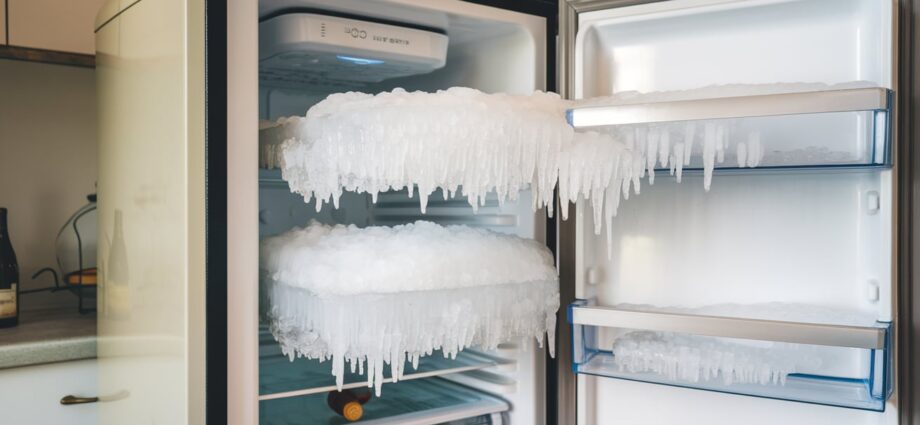
- Frost buildup: A thin layer of frost is normal in some fridges, but excessive ice buildup on the walls or coils suggests a problem with the defrost system.
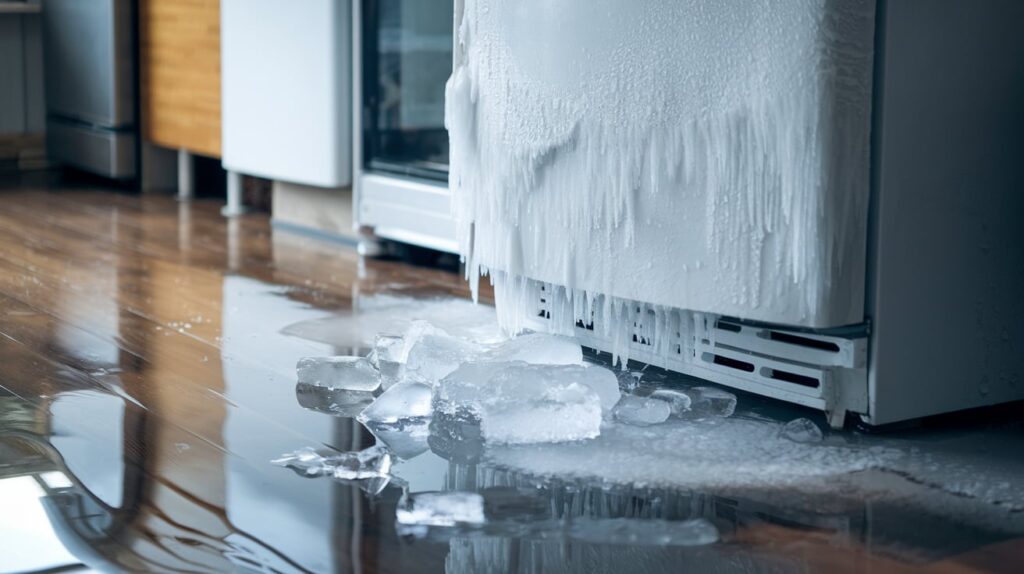
- Condensation: Condensation on the outside of the fridge can be normal in humid environments, but excessive moisture or puddles of water around the base could indicate a faulty door seal or a blocked drain.
- Back of the fridge: Carefully check the back of your fridge. Is it excessively hot? This could be a sign that the condenser coils are dirty or malfunctioning, which is crucial for the proper functioning of popular kitchen appliances.
The Door Seal Test: Keeping the Cold In
A good door seal is crucial for maintaining the cold temperature inside your fridge. To test it:
- The dollar bill test: Close the door on a dollar bill. If you can easily pull it out, the seal is weak and needs replacing.
- Visual inspection: Check the seal for any cracks, tears, or mold.
- The Light Test: Is it Always On?
While a working light doesn’t guarantee a functioning fridge, a light that’s out could indicate a power supply issue.
Food Spoilage: A Telltale Sign
If your food is spoiling prematurely even when stored properly, it’s a clear indication that your fridge isn’t maintaining the correct temperature.
The Age Factor: Is it Time to Retire?
The average lifespan of a refrigerator is around 10-15 years. If your fridge is nearing the end of its life expectancy and showing multiple signs of trouble, it might be more cost-effective to replace it rather than invest in expensive repairs.
What to Do if You Suspect Your Fridge is Broken

If you’ve noticed one or more of these signs, it’s time to take action:
- Check the obvious: Before you panic, make sure the fridge is plugged in, the thermostat is set correctly, and the vents aren’t blocked.
- Clean the condenser coils: Dirty coils can reduce cooling efficiency. Unplug the fridge and gently vacuum the coils located at the back.
- Call a professional: If the problem persists, it’s best to call a qualified appliance repair technician. They have the expertise and tools to diagnose and fix the issue safely.
Read Also: Create Your Own Outdoor Kitchen in No Time
Preventing Future Fridge Failures
- Regular cleaning: Clean the interior and exterior of your fridge regularly to prevent mold and bacteria growth.
- Check the door seal: Inspect the door seal periodically and replace it if necessary.
- Don’t overload: Overcrowding your fridge can restrict airflow and strain the compressor.
- Give it space: Ensure there’s adequate space around the fridge for proper ventilation.
By being attentive to the failing fridge signs and taking proactive steps, you can keep your fridge running smoothly and avoid the inconvenience and expense of a major breakdown.