










Understanding Photocatalytic Roofing Technology
Homeowners today are increasingly seeking sustainable solutions that combine functionality with environmental responsibility. Photocatalytic roofing tiles represent a groundbreaking innovation in the construction industry. These advanced materials use titanium dioxide coatings that activate when exposed to sunlight. The process breaks down pollutants, organic matter, and harmful substances on contact. Roof Master Construction has recognized this technology as a game-changer for residential and commercial properties alike.
The science behind these tiles is fascinating yet straightforward. When ultraviolet rays hit the photocatalytic surface, they trigger a chemical reaction. This reaction produces molecules that decompose dirt, bacteria, and air pollutants. Additionally, the tiles remain cleaner for longer periods compared to traditional roofing materials. Therefore, property owners spend less time and money on maintenance while contributing to cleaner air quality in their communities.
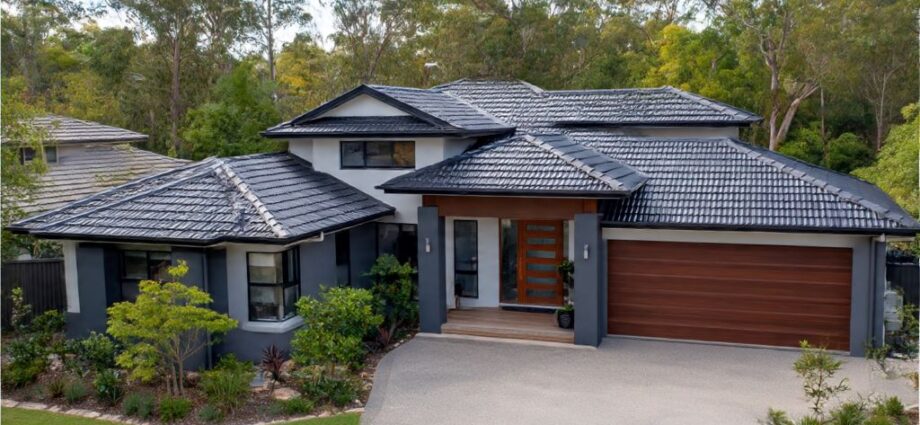
Modern homeowners appreciate how photocatalytic tiles complement contemporary modern roof design aesthetics. These tiles come in various colors and styles that suit different architectural preferences. However, their benefits extend far beyond visual appeal. The integration of environmental technology with sleek design makes them an attractive option for forward-thinking property owners.
Environmental Benefits of Photocatalytic Roofing
The environmental advantages of photocatalytic roofing tiles are substantial and measurable. Each square meter of these tiles can neutralize nitrogen oxides equivalent to removing one car from the road daily. This air-purification capability transforms roofs into active pollution fighters. Moreover, buildings in urban areas particularly benefit from this technology since they face higher pollution levels.
Research from environmental agencies shows that photocatalytic surfaces can reduce smog formation significantly. The tiles break down harmful compounds like volatile organic compounds and carbon monoxide. Consequently, neighborhoods with multiple photocatalytic roofs experience improved air quality. Cities worldwide are beginning to recognize this potential for urban renewal.
Furthermore, these tiles contribute to reducing the urban heat island effect. The reflective properties of photocatalytic coatings help deflect solar radiation rather than absorbing it. Therefore, buildings stay cooler naturally during summer months. This cooling effect reduces energy consumption for air conditioning systems. Property owners see lower utility bills while reducing their carbon footprint simultaneously.
Self-Cleaning Properties and Maintenance Advantages
One of the most attractive features of photocatalytic roofing tiles is their self-cleaning capability. The photocatalytic process breaks down organic materials like moss, algae, and lichen before they can establish growth. Rain then washes away the decomposed particles naturally. Traditional roofs require periodic cleaning treatments that involve harsh chemicals and manual labor.
Homeowners save considerable amounts on maintenance costs over the roof’s lifetime. Conventional roofing materials may need professional cleaning every few years. However, photocatalytic tiles maintain their appearance with minimal intervention. The ongoing chemical reactions prevent staining from bird droppings, tree sap, and industrial fallout. Additionally, this self-maintenance feature extends the roof’s aesthetic appeal and structural integrity.
The hydrophilic properties of these tiles enhance their cleaning efficiency. Water spreads across the surface evenly rather than forming droplets. This sheeting action carries away loosened dirt particles more effectively. Therefore, even light rainfall contributes to keeping the roof clean. Property owners in regions with regular precipitation see the most dramatic maintenance reductions.
Economic Value and Long-Term Investment Returns
While photocatalytic roofing tiles typically cost more upfront than standard materials, the long-term financial benefits are compelling. The extended lifespan of these tiles often exceeds traditional options by 10 to 15 years. Reduced maintenance expenses accumulate into significant savings over decades. Moreover, energy efficiency improvements translate to lower monthly utility costs.
Property values often increase when homeowners install advanced roofing technologies. According to the National Association of Realtors, eco-friendly home improvements can boost resale values substantially. Prospective buyers increasingly prioritize sustainable features when house hunting. Therefore, photocatalytic roofing becomes an investment rather than merely an expense.
Insurance companies in some regions offer premium discounts for properties with durable, low-maintenance roofing systems. The tiles’ resistance to algae and moss growth prevents moisture-related damage that plagues conventional roofs. Consequently, the risk of leaks and structural problems decreases markedly. These factors combine to create a favorable total cost of ownership calculation.
Health Benefits for Building Occupants
The air-purifying capabilities of photocatalytic tiles extend health benefits to everyone near the building. Reduced outdoor pollutants mean cleaner air entering homes through ventilation systems. People with respiratory conditions like asthma often experience fewer symptoms in areas with better air quality. Additionally, the antibacterial properties of the photocatalytic surface reduce harmful microorganism growth.
Indoor air quality improves when outdoor pollution levels decrease around the property. The tiles actively break down allergens and irritants before they enter living spaces. Families with children or elderly members particularly appreciate these health advantages. Moreover, reduced mold and mildew growth on the roof prevents spores from infiltrating the home.
Studies have linked improved air quality to better cognitive function and overall wellbeing. Workers in commercial buildings with photocatalytic roofing report increased productivity and reduced sick days. Therefore, the investment in this technology pays dividends beyond simple environmental metrics. The health benefits create value that extends to quality of life improvements for occupants.
Installation Considerations and Compatibility
Installing photocatalytic roofing tiles requires skilled professionals familiar with the technology. The tiles themselves install similarly to standard roofing materials. However, proper orientation and exposure to sunlight maximize their effectiveness. Contractors must consider sun angles, shading from trees, and local climate conditions during planning.
These tiles work with various roof designs and structural systems. They suit both new construction projects and roof replacement scenarios. However, the existing roof structure must support the weight of the new materials. Professional assessment ensures compatibility before installation begins. Additionally, proper ventilation systems complement the photocatalytic tiles’ temperature-regulating properties.
Homeowners should verify that installers understand photocatalytic technology specifications. Improper installation can compromise the tiles’ self-cleaning and air-purification capabilities. Warranties typically require certified installation to remain valid. Therefore, choosing experienced contractors becomes crucial for achieving optimal performance and longevity.

Durability and Weather Resistance
Photocatalytic roofing tiles demonstrate exceptional durability against harsh weather conditions. The titanium dioxide coating resists degradation from ultraviolet radiation better than conventional materials. These tiles withstand extreme temperatures, from scorching summer heat to freezing winter conditions. Moreover, they resist cracking and warping that commonly affects traditional roofing products.
Wind resistance is another significant advantage of quality photocatalytic tiles. Manufacturers design them to meet or exceed local building codes for wind uplift. Storm damage claims decrease when properties use these robust roofing materials. Additionally, the tiles’ resistance to moisture infiltration prevents ice dam formation and water damage.
The photocatalytic coating maintains its effectiveness throughout the tiles’ lifespan. Unlike painted surfaces that fade and degrade, the titanium dioxide integrates into the tile material itself. Therefore, the self-cleaning and air-purification properties persist for decades. This longevity makes photocatalytic tiles one of the most reliable roofing options available today.
Color Options and Aesthetic Flexibility
Modern photocatalytic roofing tiles come in an impressive array of colors and styles. Manufacturers recognize that environmental benefits alone do not satisfy all homeowners’ needs. The tiles replicate the appearance of traditional materials like clay, slate, and architectural shingles. Therefore, property owners need not sacrifice aesthetic preferences for environmental performance.
The color retention of photocatalytic tiles surpasses conventional roofing materials significantly. The self-cleaning properties prevent discoloration from algae, pollution, and weathering. Roofs maintain their original appearance for much longer periods. Additionally, some manufacturers offer custom color matching for specific architectural requirements.
Contemporary architectural trends favor clean lines and minimalist designs. Photocatalytic tiles support these aesthetic goals while providing functional benefits. The smooth, clean surfaces complement modern exterior palettes and materials. However, they also work beautifully with traditional home styles when appropriate colors and profiles are selected.
Comparison with Traditional Roofing Materials
When compared to asphalt shingles, photocatalytic tiles offer superior longevity and environmental performance. Asphalt shingles typically last 15 to 20 years before requiring replacement. Photocatalytic options often exceed 50 years of service life. Moreover, asphalt contributes to urban heat islands and requires petroleum-based production.
Metal roofing shares some benefits with photocatalytic tiles, including durability and energy efficiency. However, metal lacks the active air-purification capabilities of photocatalytic technology. Additionally, metal roofs can be noisy during rainstorms and may require specialized installation. Photocatalytic tiles provide quieter operation while delivering environmental benefits metal cannot match.
Clay and concrete tiles offer traditional aesthetics and reasonable durability. Nevertheless, they accumulate moss, algae, and stains that require periodic cleaning. Photocatalytic tiles eliminate this maintenance burden while matching or exceeding the lifespan of traditional tile materials. Therefore, they represent an evolution of time-tested roofing concepts enhanced with modern technology.
Future Developments in Photocatalytic Technology
The photocatalytic roofing industry continues advancing with exciting innovations on the horizon. Researchers are developing enhanced coatings that work effectively even in lower light conditions. These improvements will benefit properties in regions with less intense sunlight. Additionally, scientists are exploring photocatalytic materials that can generate small amounts of electricity while purifying air.
Integration with smart home systems represents another promising development area. Future photocatalytic roofs may include sensors that monitor air quality improvements and self-cleaning effectiveness. Homeowners could receive real-time data about their roof’s environmental impact. Moreover, these systems might alert property owners when maintenance becomes necessary despite the self-cleaning properties.
Manufacturing processes are becoming more efficient and environmentally friendly. Companies are reducing the carbon footprint associated with producing photocatalytic tiles. As production scales increase, costs continue declining toward parity with premium traditional materials. Therefore, these advanced tiles will become accessible to broader markets in coming years.
Conclusion
Photocatalytic roofing tiles represent a significant advancement in sustainable building materials. They combine environmental benefits, reduced maintenance requirements, and long-term economic advantages. The air-purification capabilities actively combat pollution while self-cleaning properties eliminate costly maintenance cycles. Additionally, these tiles offer exceptional durability, diverse aesthetic options, and potential health benefits for building occupants.
Property owners investing in photocatalytic roofing contribute to cleaner communities while protecting their investments. The technology aligns with modern values of environmental responsibility without compromising functionality or appearance. As manufacturing advances and costs decline, photocatalytic tiles are becoming increasingly accessible. Therefore, they represent a smart choice for homeowners planning roof replacements or new construction projects.
The future of roofing technology clearly includes photocatalytic materials as a standard rather than an innovation. Early adopters benefit from immediate advantages while positioning their properties at the forefront of sustainable design. Whether motivated by environmental concerns, economic calculations, or aesthetic preferences, photocatalytic roofing tiles deliver comprehensive benefits worth serious consideration.
Frequently Asked Questions
How long do photocatalytic roofing tiles last?
Photocatalytic roofing tiles typically last 50 years or more with minimal maintenance. The titanium dioxide coating integrates into the tile material rather than sitting on the surface. This integration ensures the photocatalytic properties remain effective throughout the tile’s lifespan. Additionally, the tiles resist weathering, UV damage, and physical wear better than conventional materials.
Do photocatalytic tiles work in cloudy climates?
Photocatalytic tiles function in cloudy conditions, though less efficiently than in direct sunlight. The tiles need ultraviolet light to activate the photocatalytic process, and UV rays penetrate cloud cover. However, areas with consistent heavy cloud cover may experience reduced air-purification effectiveness. Even in these conditions, the tiles still provide self-cleaning benefits and superior durability compared to traditional options.
Are photocatalytic roofing tiles more expensive than traditional materials?
The initial cost of photocatalytic tiles exceeds standard roofing materials by approximately 20 to 40 percent. However, the total cost of ownership often favors photocatalytic options when accounting for longevity and reduced maintenance. Property owners save money on cleaning, repairs, and early replacement costs. Additionally, energy savings from improved thermal performance offset the higher upfront investment over time.
Can photocatalytic tiles be installed on existing roof structures?
Most existing roof structures can accommodate photocatalytic tiles with proper assessment and preparation. Professional contractors evaluate the structural capacity to ensure it supports the new materials’ weight. Some older structures may require reinforcement before installation proceeds. The installation process resembles traditional tile roofing methods, making conversion relatively straightforward for experienced contractors.
Do photocatalytic roofing tiles require special maintenance?
Photocatalytic tiles require minimal maintenance compared to conventional roofing materials. The self-cleaning properties eliminate the need for regular washing or chemical treatments. However, annual inspections remain advisable to check for physical damage from storms or falling debris. Property owners should ensure that overhanging tree branches do not constantly shade the tiles, as sunlight exposure maximizes their effectiveness.
Related Topics:
A Guide to Green Roofs and Their Benefits