








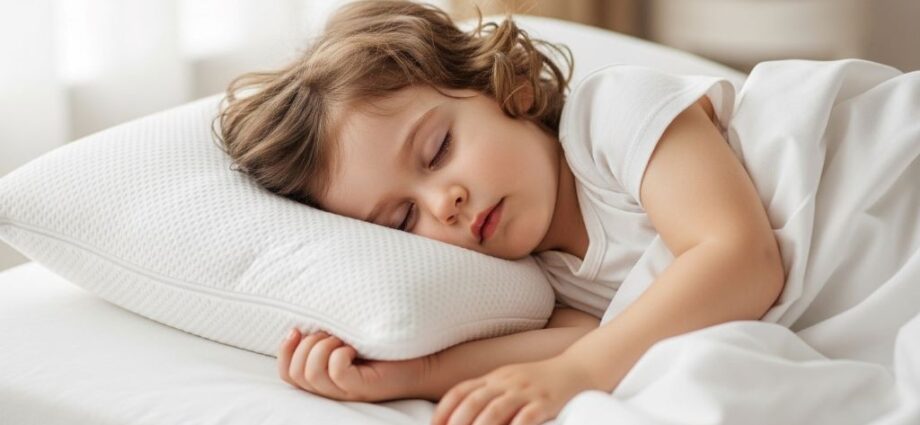
Watching your child struggle with nighttime allergies can be heartbreaking. Constant sneezing, congestion, and interrupted sleep affect not only their rest but also their mood, focus, and overall health. While many parents focus on cleaning routines and air purifiers, they often overlook one of the most critical factors: the pillow their child sleeps on every night.
Pillows harbor dust mites, mold spores, pet dander, and other allergens that trigger reactions in sensitive children. Traditional pillows can accumulate these irritants over time, creating a nightly exposure that worsens allergy symptoms. However, choosing the right hypoallergenic pillow can dramatically reduce these triggers and help your child breathe easier.
This comprehensive guide will walk you through everything you need to know about selecting a pillow that protects your child from allergens. You’ll learn about materials, maintenance requirements, and features that make a real difference. By the end, you’ll have the knowledge to make an informed decision that improves your child’s sleep quality and overall health.
Understanding Children’s Allergy Triggers
Before selecting a pillow, it’s important to understand what causes your child’s symptoms. Allergies occur when the immune system overreacts to substances that are typically harmless. In the bedroom environment, several common allergens can disrupt your child’s sleep.
Dust mites are microscopic creatures that thrive in warm, humid environments. They feed on dead skin cells that naturally shed from our bodies. Pillows provide an ideal habitat for these organisms, and their droppings contain proteins that trigger allergic reactions. Even if you can’t see them, millions of dust mites may be living in a traditional pillow.
Mold and mildew develop in damp conditions. Children who drool during sleep or live in humid climates face higher risks of mold growth in their pillows. These fungi release spores that become airborne, causing respiratory irritation and allergic responses.
Pet dander consists of tiny flakes of skin shed by animals. If you have pets, their dander easily transfers to pillows through contact or airborne dispersal. Additionally, pollen from outside can cling to hair and clothes, eventually settling into bedding materials.
Chemical sensitivities also affect many children. Some pillow materials contain flame retardants, formaldehyde, or other chemicals that trigger reactions. Understanding these various triggers helps you choose a pillow that addresses your child’s specific sensitivities.
Key Features of an Allergy Free Pillow Kids Can Use Safely
When shopping for pillows designed to minimize allergic reactions, certain features distinguish effective options from standard products. Understanding these characteristics ensures you select a pillow that truly protects your child.
Tightly woven fabric covers create a barrier that prevents allergens from penetrating the pillow. The weave must be tight enough to block dust mites, which measure about 0.3 millimeters in length. Look for covers with a thread count of at least 300 and a pore size smaller than 10 microns.
Antimicrobial treatments inhibit the growth of bacteria, mold, and mildew. These treatments can be either chemical or natural, depending on the manufacturer. Natural options include silver ions or tea tree oil extracts, which provide protection without potentially irritating chemicals.
Breathability matters more than many parents realize. A pillow that traps heat and moisture creates an environment where allergens thrive. Materials that allow air circulation help regulate temperature and reduce humidity, making the pillow less hospitable to dust mites and mold.
Easy washability is essential for maintaining an allergen-free sleeping environment. Some pillows can be machine washed regularly, while others require only the cover to be washed. The ability to clean your child’s pillow frequently prevents allergen buildup.
Certifications from independent organizations provide assurance that a pillow meets specific standards. Look for certifications like CertiPUR-US for foam products or OEKO-TEX Standard 100 for textiles, which verify that materials are free from harmful substances.
Material Options and Their Benefits
Different pillow materials offer varying levels of protection against allergens. Each type has unique properties that may work better for certain children depending on their specific sensitivities and sleep preferences.
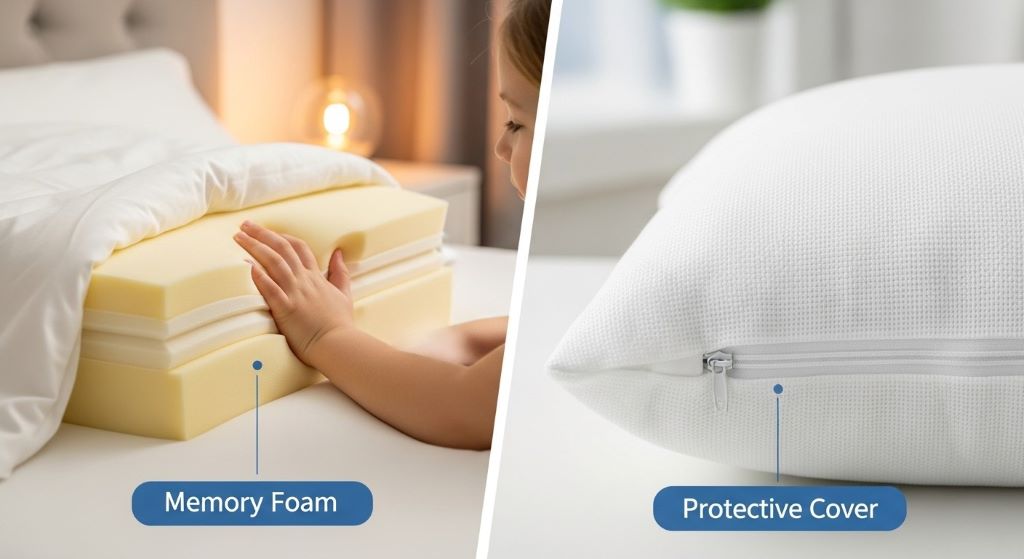
Memory foam provides excellent support while naturally resisting dust mites. The dense structure of memory foam makes it difficult for these organisms to penetrate and establish colonies. However, some children may be sensitive to the chemical smell that new memory foam emits, though this typically dissipates within a few days.
Latex pillows offer natural resistance to dust mites and mold. Natural latex comes from rubber trees and contains properties that repel common allergens. It’s also naturally breathable, helping to regulate temperature and moisture. Nevertheless, check that your child doesn’t have a latex allergy before choosing this option.
Polyester fill can be hypoallergenic when specifically designed for that purpose. High-quality synthetic fills are engineered to resist allergen penetration and can be washed frequently. They’re typically more affordable than natural alternatives, making them accessible for budget-conscious families.
Buckwheat hulls provide a unique alternative that naturally resists dust mites. These pillows allow exceptional airflow and can be adjusted by adding or removing hulls. The natural composition means no chemical treatments, though some children may find the rustling sound distracting at first.
Microfiber fills mimic the softness of down without the allergen risks associated with feather pillows. Quality microfiber is tightly woven to prevent allergen accumulation and typically machine washable. This material works well for children who prefer a softer, more traditional pillow feel.
The Importance of Dust Mite Resistant Pillow Design
Dust mite resistance stands as one of the most critical factors in pillow selection for allergic children. These microscopic creatures cause more allergic reactions than any other indoor allergen, making dust mite resistant pillow options essential for symptom management.
Physical barriers work by creating an impenetrable shield between your child and dust mites. Specialized covers use extremely tight weaves that block mites while still allowing the pillow to breathe. These covers should encase the entire pillow with a secure zipper closure to prevent any gaps.
Material selection plays an equally important role. Certain materials naturally deter dust mites through their composition or structure. Dense foams and synthetic fills that don’t provide food sources for mites create an inhospitable environment for these organisms.
Temperature and moisture control help prevent dust mite populations from thriving. Mites prefer warm, humid conditions similar to what they find in traditional down or feather pillows. Materials that wick away moisture and allow heat to dissipate create conditions where dust mites cannot survive in large numbers.
Regular maintenance remains crucial even with resistant materials. No pillow is completely immune to dust mite colonization over time. Therefore, combining a dust-mite-resistant pillow with proper cleaning routines provides the most effective protection for your child.
Age-Appropriate Pillow Selection
Children’s needs change as they grow, and pillow selection should account for developmental stages. What works for a toddler differs significantly from what suits a preteen.
Toddlers transitioning from cribs need smaller, flatter pillows. Their developing necks require less elevation than adult pillows provide. Look for pillows specifically sized for toddlers, measuring approximately 13 by 18 inches. The filling should be soft but supportive, and the pillow should be completely washable.
School-age children can use slightly larger pillows as their bodies grow. Consider pillows measuring around 16 by 22 inches. At this stage, you can also assess whether your child sleeps on their side, back, or stomach, as sleeping position affects the ideal pillow thickness.
Preteens and teenagers need pillows that provide proper support for their nearly adult-sized frames. Standard size pillows work well for this age group. Additionally, older children may have stronger preferences about pillow firmness and feel, so involving them in the selection process increases the likelihood they’ll use the pillow consistently.
Weight considerations also matter. Heavier children may compress pillows more quickly, requiring firmer materials or more frequent replacement. Conversely, lighter children need softer pillows that don’t push their heads into unnatural positions.
Pillow Protectors and Covers
Even the best hypoallergenic pillow benefits from an additional protective layer. Pillow protectors serve as an extra barrier against allergens while extending the life of the pillow itself.
Zippered encasements provide the most comprehensive protection. These covers completely seal the pillow, preventing allergens from entering or escaping. The zipper should have small teeth and ideally include a fabric flap that covers the zipper track to prevent any gaps.
Waterproof protectors defend against moisture from drool, sweat, or accidents. However, ensure the waterproof layer is breathable to prevent heat buildup. Modern waterproof protectors use technology that blocks liquids while allowing air and water vapor to pass through.
Removable covers that can be washed frequently make maintenance easier. Look for covers that can withstand hot water washing, as temperatures above 130 degrees Fahrenheit kill dust mites effectively. Covers that tumble dry on high heat provide additional mite-killing power.
Natural fiber covers made from organic cotton or bamboo offer chemical-free protection. These materials are naturally breathable and gentle on sensitive skin. However, they must have a tight enough weave to provide adequate allergen blocking.
Layering strategy can maximize protection. Using both an allergen barrier cover and a softer, washable pillowcase gives you the best of both worlds. The barrier cover stays on the pillow long-term, while the outer pillowcase gets washed with regular bedding.
Maintenance and Cleaning Guidelines
Proper care of your child’s pillow is just as important as choosing the right one initially. Consistent maintenance prevents allergen accumulation and extends the pillow’s effective lifespan.
Washing frequency depends on the pillow type and your child’s specific sensitivities. Generally, machine-washable pillows should be cleaned every three to six months. Pillow covers and cases need washing weekly along with other bedding. Children with severe allergies may benefit from even more frequent cleaning.
Hot water washing kills dust mites and removes accumulated allergens effectively. Use water heated to at least 130 degrees Fahrenheit when washing pillow covers and cases. Add a hypoallergenic detergent free from dyes and fragrances that could irritate sensitive skin.
Drying thoroughly prevents mold and mildew growth. Whether air drying or using a dryer, ensure the pillow is completely dry before your child uses it. Damp pillows create ideal conditions for mold growth and dust mite reproduction.
Sunlight exposure can naturally sanitize pillows that shouldn’t be machine washed. UV rays kill dust mites and help eliminate moisture. Place the pillow in direct sunlight for several hours, flipping it to expose all sides.
Replacement schedules vary by pillow type. Memory foam pillows typically last two to three years, while synthetic fill pillows may need replacement every one to two years. Signs that it’s time for a new pillow include visible discoloration, persistent odors, or increased allergy symptoms despite proper cleaning.
Creating an Allergen-Free Sleep Environment
While the right pillow forms the foundation of better sleep for allergic children, it works best as part of a comprehensive approach to bedroom allergen control.
Bedding selection matters beyond just the pillow. Choose hypoallergenic mattress covers, sheets, and blankets. Avoid comforters filled with down or feathers, opting instead for synthetic alternatives that can be washed in hot water.
Temperature and humidity control significantly impact allergen levels. Maintain bedroom temperature between 68 and 72 degrees Fahrenheit. Use a dehumidifier to keep humidity below 50 percent, as dust mites struggle to survive in drier conditions.
Air purification helps remove airborne allergens. HEPA filters capture particles as small as 0.3 microns, including pollen, pet dander, and mold spores. Place the air purifier near your child’s bed for maximum effectiveness.
Minimizing clutter reduces allergen hiding places. Dust mites and other allergens accumulate in stuffed animals, books, and knickknacks. Keep these items to a minimum in the bedroom, and wash any stuffed animals regularly in hot water.
Flooring choices affect allergen levels significantly. Hard floors like wood or tile are easier to keep allergen-free than carpeting. If carpet is unavoidable, vacuum frequently with a HEPA-equipped vacuum cleaner.
Budget Considerations and Value
Hypoallergenic pillows range widely in price, from budget-friendly options under twenty dollars to premium products costing over one hundred dollars. Understanding what drives these price differences helps you make a smart investment.
Budget options typically use simpler materials and constructions. They may provide basic allergen resistance through synthetic fills and standard weaves. These pillows work adequately for children with mild sensitivities or as temporary solutions while you save for higher-quality options.
Mid-range pillows offer better materials, tighter weaves, and often include special treatments or certifications. They balance cost with performance, providing solid allergen protection without premium pricing. Most families find this range offers the best value for long-term use.
Premium pillows feature advanced materials, extensive certifications, and superior construction. They often include innovative fabrics, multiple protective layers, and warranties. While expensive upfront, they may last longer and provide better allergen control for children with severe sensitivities.
Calculate cost per year of use rather than just the purchase price. A sixty-dollar pillow lasting three years costs twenty dollars per year. A twenty-dollar pillow requiring annual replacement costs the same over time but may provide inferior protection.
Consider the cost of poor sleep and allergy symptoms. Missed school days, reduced focus, and potential medical visits add hidden costs to inadequate allergen control. Investing in a quality pillow may actually save money by reducing these indirect expenses.
Signs Your Child Needs a New Pillow
Recognizing when your child’s current pillow no longer provides adequate protection helps you maintain effective allergen control. Several indicators suggest it’s time for a replacement.
Increased allergy symptoms despite consistent cleaning routines signal that the pillow may be harboring allergens too deeply embedded to remove. If your child experiences more sneezing, congestion, or itchy eyes upon waking, the pillow could be the culprit.
Visible staining or discoloration indicates accumulated sweat, drool, and oils that attract dust mites. While some staining is normal, excessive discoloration suggests deep-seated contamination that washing cannot fully address.
Odors that persist after washing indicate mold, mildew, or bacterial growth within the pillow. These smells suggest the pillow has retained moisture and created an environment where allergens thrive.
Loss of support affects both comfort and health. A pillow that has compressed significantly no longer provides proper spinal alignment. Poor support can cause neck pain and restless sleep, compounding the problems caused by allergies.
The fold test reveals whether a pillow has lost its resilience. Fold the pillow in half. If it stays folded rather than springing back to shape, the filling has deteriorated and the pillow should be replaced.
Special Considerations for Severe Allergies
Children with severe allergies require extra attention when selecting and maintaining pillows. Their heightened sensitivity demands more rigorous approaches to allergen control.
Medical-grade pillow covers provide the highest level of protection. These covers meet specific standards for allergen blocking and often require prescriptions. They cost more than standard hypoallergenic covers but offer superior protection for severely allergic children.
Multiple barrier layers create redundant protection. Using both a medical-grade encasement and a standard hypoallergenic cover provides extra security against allergen exposure. This approach offers peace of mind for parents of highly sensitive children.
Consultation with allergists helps identify specific triggers. Allergy testing can reveal exactly what your child reacts to, allowing you to choose pillows that specifically address those allergens. Your allergist may also provide specific product recommendations based on clinical experience.
Documentation from manufacturers becomes important for severe cases. Keep records of pillow specifications, certifications, and cleaning instructions. This information helps track what works and what doesn’t, and may be necessary for medical or insurance purposes.
Emergency replacement pillows ensure continuous protection. Keep a backup pillow that meets your child’s requirements. If the primary pillow needs deep cleaning or replacement, you can immediately substitute the backup without interrupting allergen protection.
Conclusion
Selecting the right hypoallergenic pillow for your child requires careful consideration of materials, design features, and maintenance requirements. An allergy free pillow kids can use comfortably combines physical barriers, allergen-resistant materials, and proper breathability to create a sleeping environment that minimizes triggers.
Understanding the importance of dust mite resistant pillow construction helps you identify products that provide genuine protection rather than just marketing claims. Look for tight weaves, antimicrobial treatments, and materials that naturally repel common allergens. Additionally, consider your child’s age, sleeping position, and specific sensitivities when making your choice.
Remember that even the best pillow requires proper maintenance to remain effective. Regular washing, appropriate drying, and timely replacement ensure continued protection. Moreover, combining a quality pillow with other allergen-reduction strategies creates a comprehensive sleep environment that supports your child’s health.
By investing time in research and selecting a pillow that truly meets your child’s needs, you can significantly reduce nighttime allergy symptoms. Better sleep leads to improved mood, focus, and overall quality of life for your child. Therefore, choosing the right pillow isn’t just about comfort—it’s an investment in your child’s health and wellbeing.
Frequently Asked Questions
At what age should children start using hypoallergenic pillows?
Children can transition to hypoallergenic pillows as soon as they move from a crib to a toddler bed, typically around 18 to 24 months. However, infants under 12 months should not use pillows at all due to safety concerns. If your child shows allergy symptoms, introducing a hypoallergenic pillow earlier in their toddler years can help manage reactions and establish healthy sleep patterns from the start.
Can I make a regular pillow hypoallergenic with just a special cover?
While a high-quality allergen barrier cover significantly reduces exposure, it cannot completely transform a pillow already contaminated with allergens. If you’re using an existing pillow, wash it thoroughly in hot water first if possible, then add the barrier cover. However, for children with moderate to severe allergies, starting with a pillow specifically designed to resist allergens provides better protection than retrofitting an old pillow.
How do I know if my child’s pillow is causing their allergy symptoms?
Notice whether symptoms worsen at night or first thing in the morning. If your child wakes up congested, sneezing, or with itchy eyes but improves throughout the day, their pillow may be the culprit. Try having your child sleep without a pillow for a few nights or use a freshly washed backup. If symptoms improve, the original pillow likely harbors allergens and needs replacement or more thorough cleaning.
Are natural materials always better than synthetic for allergic children?
Not necessarily. While some natural materials like latex resist allergens well, others like down and feathers actually attract and trap allergens. Synthetic materials specifically engineered for allergen resistance often outperform natural alternatives. Focus on the pillow’s specific hypoallergenic properties and certifications rather than simply choosing natural over synthetic. The best choice depends on your child’s specific allergies and sensitivities.
How often should I replace my child’s hypoallergenic pillow?
Replace hypoallergenic pillows every one to three years, depending on the material and quality. Memory foam and latex pillows typically last longer, around two to three years, while polyester fill pillows may need replacement annually. However, replace any pillow sooner if it shows signs of deterioration, persistent odors, visible staining, or if your child’s allergy symptoms increase despite proper maintenance. Regular replacement ensures continued allergen protection.
Related Topics:
Best Pillow for Side Sleepers: Coop Home Goods Honest Review
How to Style a King Size Bedroom Set Easily