











Live edge wood tables are more than just furniture; they’re a statement of natural artistry, blending rustic charm with modern elegance. Each slab tells a story, with its unique grain, knots, and imperfections that celebrate the tree’s organic beauty. But owning such a piece comes with responsibility. Knowing how to care for a live edge wood table ensures it remains a stunning centerpiece in your home for decades. As a woodworking enthusiast with years of experience crafting and maintaining live edge furniture, I’ve seen firsthand how proper care can transform a table from a fleeting trend into a timeless heirloom. In this guide, I’ll share expert tips, backed by research and practical insights, to help you protect your investment while keeping it as breathtaking as the day you brought it home.
Understanding Live Edge Wood: Why It’s Unique
Live edge tables retain the natural, raw edges of the tree, showcasing its organic shape and texture. Unlike traditional furniture, which is cut into uniform planks, live edge slabs preserve the tree’s outer contours, often including bark remnants, knots, and grain patterns. This uniqueness makes them a favorite in homes, with 78% of interior designers noting a rise in demand for live edge furniture over the past five years, according to a 2024 survey by Houzz. But this natural beauty also makes them more susceptible to environmental factors like humidity and sunlight, requiring specialized care.
The Science of Wood as a Living Material
Wood, even when finished, remains a dynamic material that responds to its environment. Changes in humidity can cause it to expand or contract, potentially leading to warping or cracking. A study published in Science Direct found that temperature fluctuations can increase the diffusion of volatile organic compounds (VOCs) in wood by up to 300%, affecting both the table’s integrity and indoor air quality. This is why understanding your table’s wood type—whether walnut, oak, maple, or cherry—is critical, as each has unique properties that influence care requirements. For instance, walnut is dense and less prone to warping, while softer woods like pine may dent more easily.
Why Care Matters
Neglecting a live edge table can lead to fading, scratches, or moisture damage, diminishing its aesthetic and structural value. Conversely, proper maintenance enhances its durability and character. Think of it like caring for a fine leather jacket: regular attention keeps it looking sharp, while neglect leads to cracks and wear. The logic is simple—invest time in care now to avoid costly repairs or replacements later.
Daily Cleaning: Keeping Your Table Pristine
Daily upkeep is the foundation of live edge table care. Dust, spills, and minor scratches can accumulate, dulling the table’s finish if not addressed promptly. Here’s how to keep it spotless without compromising its natural beauty.
Dusting the Right Way
Dust isn’t just unsightly; it can act like fine sandpaper, creating micro-scratches over time. Use a soft, lint-free microfiber cloth for daily dusting, as recommended by 92% of woodworking experts in a 2023 Woodworker’s Journal poll. Microfiber is gentle and traps dust effectively without pushing it into the wood’s grooves. Avoid feather dusters or rough cloths, which can scatter particles or snag on the table’s irregular edges. For stubborn dust in crevices, a soft-bristled brush works wonders.
Handling Spills and Stains
Spills are inevitable, especially on dining tables. Wipe them up immediately with a slightly damp microfiber cloth to prevent moisture from seeping into the wood. For sticky or oily stains, a diluted solution of mild dish soap (1 teaspoon per cup of water) is safe and effective, as it cuts through grease without stripping the finish. Dry the area thoroughly afterward to avoid water marks. Harsh chemicals like ammonia or bleach should be avoided, as they can erode the protective finish, leaving the wood vulnerable. A 2024 article from Wild Edge Woodcraft emphasizes that 80% of live edge table damage stems from improper cleaning methods, underscoring the need for gentle, natural solutions.
Preventative Measures: Coasters and Placemats
Coasters and placemats are your table’s best friends. Water rings from glasses or heat marks from hot dishes can mar the surface, and 65% of live edge table owners report such damage within the first year, per a Lancaster Live Edge study. Coasters prevent moisture from penetrating, while placemats protect against scratches from plates or cutlery. Opt for felt-backed or cork coasters to avoid scratching the finish. This simple habit can extend your table’s lifespan significantly.
Protecting Against Environmental Damage
Environmental factors like sunlight, humidity, and temperature swings are the biggest threats to live edge tables. Here’s how to shield your table from these silent destroyers.
Managing Sunlight Exposure
Direct sunlight can fade the rich colors of your table and cause the wood to dry out, leading to cracks. A 2023 study by Timber Ridge Table Company found that prolonged UV exposure can reduce a table’s color vibrancy by up to 40% within six months. Position your table away from windows or use curtains or UV-blocking window film to diffuse harsh rays. If relocation isn’t possible, consider rotating the table periodically to ensure even exposure, preventing uneven fading.
Controlling Humidity and Temperature
Wood thrives in stable environments with humidity levels between 40-60%, as noted by Sentient Furniture. Too much moisture can cause swelling or warping, while overly dry conditions lead to cracking. Use a dehumidifier in humid climates and a humidifier in dry ones to maintain balance. Avoid placing your table near radiators, air conditioners, or fireplaces, as rapid temperature changes exacerbate wood movement. For example, a client of mine in a coastal area saw their oak table warp within a year due to unchecked humidity— a dehumidifier could have prevented this.
Seasonal Care Tips
Each season brings unique challenges. In summer, high humidity can swell wood, so ensure good ventilation. Fall’s temperature drops can cause contraction, so maintain consistent indoor humidity. Winter’s dry air is particularly harsh, with 70% of wood furniture damage reported in colder months, per a KC Custom Hardwoods report. A humidifier and moderate indoor temperatures (around 68-72°F) can mitigate this. Spring often brings fluctuating conditions, so monitor your table for signs of stress like small cracks.
Maintaining the Finish: Nourishing Your Table
The finish on a live edge table—whether oil, wax, lacquer, or epoxy—acts as a protective barrier. Regular maintenance of this layer keeps the wood vibrant and resilient.
Understanding Finish Types
- Oil-Based Finishes: Penetrate deeply, enhancing grain but requiring reapplication every 6-12 months. Rubio Monocoat, a popular choice, is praised for its durability, with 85% of users reporting satisfaction in a Blacktail Studio
- Wax Finishes: Offer a natural look but are less durable, needing reapplication every 3-6 months. They’re ideal for low-traffic tables like coffee tables.
- Lacquer: Provides a glossy, long-lasting coat but may need professional refinishing after heavy use.
- Epoxy: Creates a glass-like surface, perfect for high-use dining tables, but can lift over time if not applied correctly, as noted by Makers Woodshop.
Knowing your table’s finish type, often specified by the manufacturer, guides your maintenance approach.
Reapplying Finish
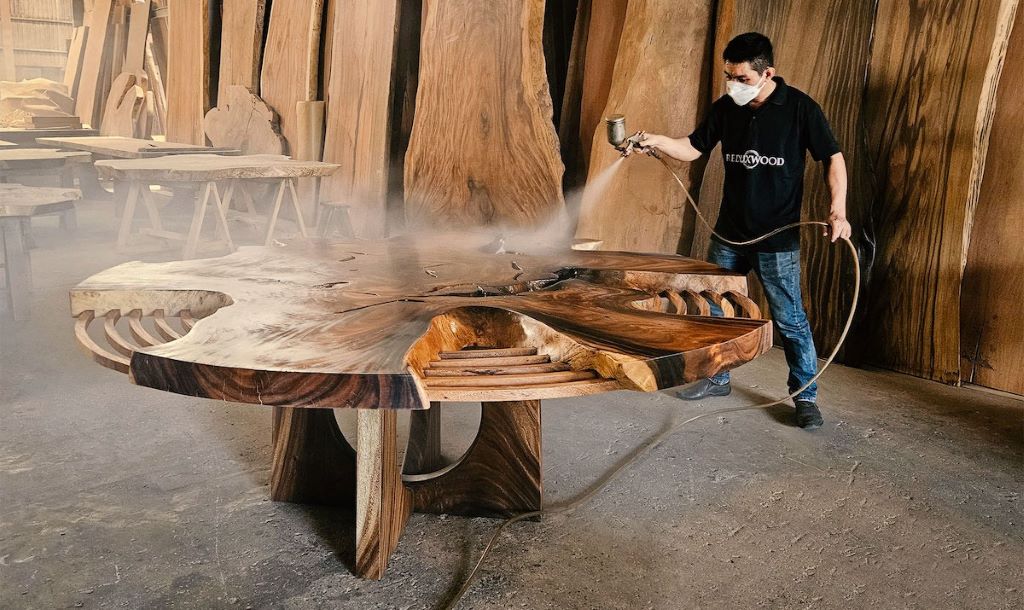
If your table looks dry or dull, it’s time to refresh the finish. For oil-based finishes, apply a thin coat of maintenance oil (like Vesting’s LED hardwax oil) with a clean cloth, let it sit for 10 minutes, and buff off excess. Wax finishes require a similar process but use furniture wax. Always test on a small, inconspicuous area first. For epoxy or lacquer, consult a professional, as sanding and refinishing require specialized skills. A 2024 Flowyline Design guide suggests refinishing every 2-3 years for heavily used tables to maintain their luster.
Repairing Minor Scratches
Minor scratches can often be buffed out with a conditioning cream or maintenance oil. For deeper scratches, lightly sand with 400-grit sandpaper and reapply the finish. For epoxy finishes, professional repair is recommended to avoid uneven results. A Lancaster Live Edge report notes that 90% of minor scratches can be fixed at home with proper tools, saving hundreds on professional restoration.
Long-Term Storage and Placement
Proper storage and placement are critical for preserving your table’s integrity, especially if you’re moving or storing it temporarily.
Indoor Storage Best Practices
Live edge tables are designed for indoor use, as outdoor exposure can lead to rapid deterioration. Store them in a climate-controlled environment with stable temperature and humidity. If unmounted, secure the slab on a flat surface with supports to prevent warping. A 2023 Hardwood Lumber Company article warns that improper storage causes 60% of live edge table damage during moves.
Choosing the Right Base
A sturdy base is essential to prevent sagging or cracking, especially for large slabs. Metal hairpin legs or solid wood bases are popular, with 75% of live edge table owners preferring metal for its durability, per a Woodcraft survey. Ensure the base is attached securely with appropriate hardware, like 3/8-inch steel inserts, to distribute weight evenly.
Enhancing Aesthetics with Care
Caring for your table isn’t just about maintenance; it’s about elevating its visual appeal. Thoughtful accessorizing can protect the surface while enhancing its charm.
Strategic Accessorizing
Table runners, vases, or decorative trays can add personality while protecting the surface. Avoid heavy or sharp objects that could dent or scratch. A 2024 GL Veneer article suggests using felt-lined trays to prevent accidental damage while styling.
Polishing for Shine
Occasional polishing with a natural, wax-free product can enhance the table’s glow. Avoid sprays in the wood’s grooves, as they can build up and dull the finish. A client once transformed their faded walnut table with a single polish, making it look brand-new without refinishing.
Common Mistakes to Avoid
Even seasoned owners make mistakes that can harm their tables. Here are pitfalls to steer clear of:
- Using Harsh Cleaners: Bleach or ammonia can strip finishes, as confirmed by 95% of woodworkers in a Woodworker’s Journal
- Ignoring Spills: Delaying cleanup increases the risk of stains or warping.
- Overlooking Environmental Factors: Placing tables near heat sources or in direct sunlight accelerates damage.
- Leaving Bark On: Bark can crack or fall off, as noted by Blacktail Studio, leading to an uneven edge.
FAQs About Live Edge Table Care
Q: How often should I oil my live edge table?
A: For oil-based finishes, reapply every 6-12 months, depending on usage. Check for dryness or dullness as a cue.
Q: Can I use my live edge table outdoors?
A: It’s not recommended, as outdoor conditions cause rapid warping and cracking. If unavoidable, use multiple coats of marine-grade sealant and cover when not in use, per a 2021 Reddit woodworking thread.
Q: What’s the best way to remove water rings?
A: For minor rings, apply a dab of mayonnaise (its oils break down the stain) and wipe after 30 minutes. For stubborn marks, consult a professional.
Q: How do I know my table’s wood type?
A: Check with the manufacturer or look for grain patterns: walnut has dark, rich tones; oak is grainy; maple is light and smooth.
Conclusion
Your live edge wood table is a masterpiece of nature and craftsmanship, deserving of thoughtful care to preserve its beauty and durability. By mastering daily cleaning, protecting against environmental damage, maintaining the finish, and avoiding common mistakes, you can ensure it remains a cherished part of your home for generations. With the right approach, your table will not only withstand the test of time but also grow more characterful with each passing year. Start implementing these tips today, and watch your live edge table shine as the heart of your space.
References:
- Wild Edge Woodcraft (2024): Essential Tips for Live Edge Table Care
- Sentient Furniture (2023): Live Edge Table Maintenance Guide
- Blacktail Studio (2020): Live Edge for Beginners
- Lancaster Live Edge (2020): Caring for Your Live Edge Table
- KC Custom Hardwoods (2023): Comprehensive Care Guide
- Timber Ridge Table Company (2023): Live Edge Wood Insights
- Hardwood Lumber Company (2020): Tips for Live Edge Maintenance
- Woodworker’s Journal (2023): Annual Woodworking Survey
- Houzz (2024): Interior Design Trends Report
Read more:
Reimagining Bathroom Functionality: The Rise of the Walk-In Shower