






Choosing the right vacuum cleaner can feel overwhelming. There are hundreds of models on the market, each promising the best results. However, if you know what to look for, the decision becomes much easier. Whether you are cleaning a cozy apartment or a large office space, this guide will walk you through everything you need to know.
Why the Right Vacuum Cleaner Matters
A vacuum cleaner is not just a household tool. It plays a major role in keeping your environment healthy and hygienic. Dust, allergens, pet hair, and debris can build up quickly. A wrong purchase means wasted money and poor results.
Therefore, understanding your specific needs before buying is essential. A model that works well for a small home may not perform well in a busy commercial setting. Knowing this from the start saves you time and frustration.
Understanding Different Types of Vacuum Cleaners
Before diving into a vacuum comparison, it helps to understand the main types available today.
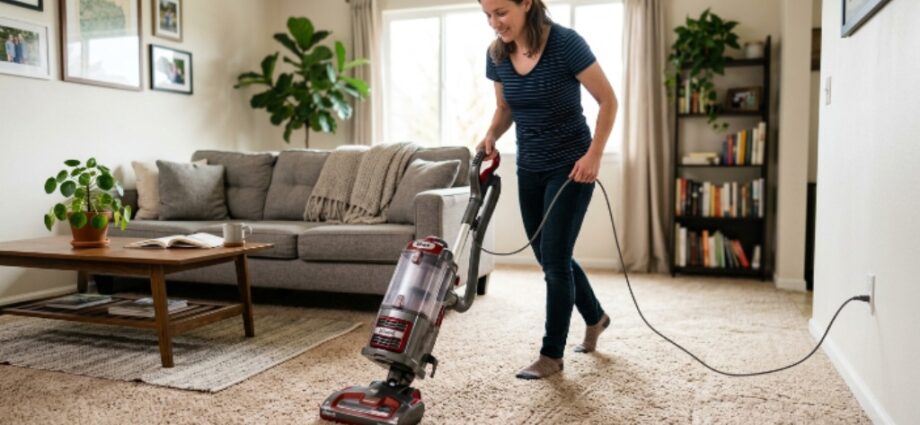
Upright vacuums are popular for large carpeted areas. They are powerful and easy to push. Most models come with attachments for furniture and corners.
Canister vacuums offer more flexibility. They work well on both hard floors and carpets. Additionally, they tend to be quieter than upright models, making them a good choice for offices.
Stick vacuums are lightweight and cordless. They are ideal for quick, everyday cleaning. However, they may lack the suction power needed for deep cleaning.
Robot vacuums work automatically. You can schedule them to clean while you are away. They are great for maintenance cleaning but are not a replacement for deep cleaning sessions.
Commercial vacuums are built for heavy-duty use. They handle large spaces and tough debris. If you run a business, these models are worth the investment.
Key Features to Consider Before Buying
When doing your product selection, focus on the features that matter most to your situation. Not every feature is useful for every buyer.
Suction power is one of the most important factors. Look at the motor wattage or airflow rating. Higher suction means better dirt pickup, especially on carpets.
Filtration system matters a great deal if anyone in your home or workplace has allergies. HEPA filters trap tiny particles like dust mites and pollen. They are highly recommended for sensitive environments.
Bagged vs. bagless is another key decision. Bagged models tend to be cleaner to empty and better for allergy sufferers. Bagless models are more convenient but require regular filter cleaning.
Cord length and mobility affect how freely you can move around. A longer cord means fewer outlet changes. Cordless models offer ultimate freedom but have limited battery life.
Noise level is often overlooked. For home use, a quieter model creates less disruption. For business use, especially in hotels or offices, low noise is almost a requirement.
Weight and ergonomics matter if you are cleaning for long periods. A heavy vacuum causes fatigue quickly. Look for models with comfortable handles and easy maneuverability.
Vacuum Cleaners for Home Use
For home use, your needs depend on your floor types, pets, and household size. Start by assessing your floors. If you have mostly carpet, choose a vacuum with strong suction and a motorized brush roll. If you have mostly hard floors, a gentler suction setting and a soft brush attachment will protect your surfaces.
Pet owners need special attention when doing a vacuum comparison. Pet hair can clog filters and tangle in brush rolls quickly. Look for models specifically designed for pet hair. These usually come with tangle-free brush rolls and stronger filtration.
Additionally, think about storage. If your home is small, a compact or foldable model saves space. Wall-mounted charging stations for cordless models are also a great space-saving option.
Following good cleaning tips can also extend the life of your vacuum. Empty the dustbin or replace bags regularly. Clean or replace filters every three to six months. Check the brush roll for tangled hair or debris after each use.
Vacuum Cleaners for Business Use
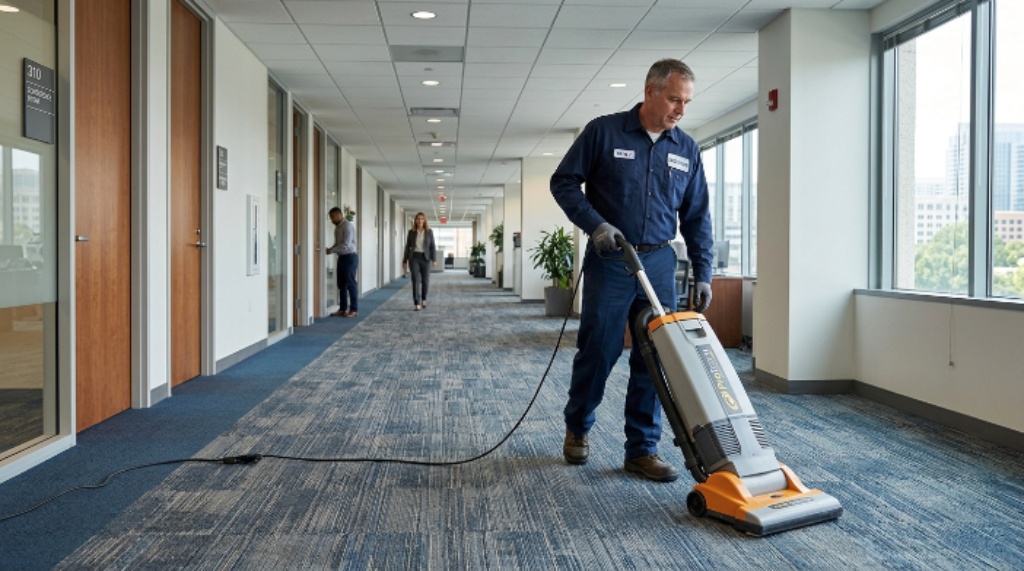
Commercial environments have very different demands. Offices, hotels, restaurants, and retail stores need machines that can handle heavy daily use without breaking down.
For businesses, durability is the top priority. Commercial vacuums are built with stronger motors and sturdier bodies. They also tend to have larger dustbins, which means fewer stops to empty during a cleaning session.
Noise level is especially important in commercial settings. Hotels and offices need quiet machines so staff can clean without disturbing guests or workers. Many commercial models are designed with noise-reduction technology.
Furthermore, consider the type of debris your business deals with. A restaurant may need a vacuum that handles food crumbs and liquid spills. A construction site needs a wet-dry vacuum that can handle heavy debris and even water.
The cost of a commercial vacuum is higher than a home model. However, the long-term value is greater. A reliable machine reduces downtime, repair costs, and the need for frequent replacement.
How to Set Your Budget
Budget is always part of the product selection process. Vacuum cleaners range from under $50 to over $1,000. The right price depends on your needs.
For basic home use, a model between $100 and $300 is usually sufficient. Mid-range models offer a good balance of performance and durability.
For homes with special needs, like allergy sufferers or pet owners, spending between $300 and $600 is a smart investment. These models offer advanced filtration and stronger performance.
For business use, budget at least $500 to $1,500 or more. Commercial-grade machines are built to last and handle daily heavy-duty use. Think of it as a long-term investment rather than a one-time expense.
Brands Worth Considering
Several brands consistently perform well across both home and commercial categories. Dyson is known for strong suction and innovative cordless designs. Miele is celebrated for durability and excellent filtration. Shark offers good value for home users. Hoover and Bissell are reliable budget-friendly options. For commercial use, Nilfisk and Tennant are trusted by many businesses worldwide.
However, always read reviews and check warranty terms before buying. A brand name alone does not guarantee the best fit for your specific needs.
Smart Cleaning Tips to Get the Most from Your Vacuum
Owning a good vacuum is only half the equation. Using it correctly matters just as much.
- Vacuum high-traffic areas at least twice a week.
- Use attachments to clean corners, baseboards, and upholstery.
- Move slowly over carpets to allow suction to lift deep dirt.
- Clean your vacuum after every few uses to maintain performance.
- Schedule a deep clean of filters and brush rolls monthly.
Following these cleaning tips ensures your vacuum performs at its best for years to come.
Conclusion
Buying the right vacuum cleaner requires careful thought. You need to consider your space, floor types, budget, and specific cleaning needs. A thorough vacuum comparison helps you narrow down your choices. For home use, focus on suction, filtration, and ease of use. For business use, prioritize durability, noise level, and capacity.
Good product selection is not about buying the most expensive model. It is about finding the one that fits your exact needs. Additionally, maintaining your vacuum with smart cleaning tips will extend its life and keep your space consistently clean.
Take your time, do your research, and invest wisely. The right vacuum cleaner will make every cleaning session faster, easier, and more effective.
Frequently Asked Questions
What is the difference between a home vacuum and a commercial vacuum?
Home vacuums are designed for lighter, less frequent use. Commercial vacuums are built for heavy-duty, daily cleaning across large areas. They have stronger motors, larger dustbins, and more durable parts.
How often should I replace my vacuum cleaner?
With proper care, a good vacuum can last 8 to 10 years. However, if suction drops significantly, repairs become frequent, or parts are no longer available, it is time to replace it.
Are HEPA filters worth the extra cost?
Yes, especially if anyone in your household or workplace has allergies or asthma. HEPA filters trap 99.97% of particles as small as 0.3 microns, including dust, pollen, and pet dander.
Is a cordless vacuum as powerful as a corded one?
Modern cordless vacuums have improved significantly. However, corded models still generally offer more consistent suction for heavy-duty tasks. Cordless models are best for quick, everyday cleaning.
What should I look for in a vacuum for pet hair?
Look for tangle-free or self-cleaning brush rolls, strong suction, and a high-quality filtration system. Some brands offer vacuum models specifically designed for homes with pets.
Related Topics:
How to Stop Night Sweats with the Right Cooling Pillow
How to Select the Best Toddler Travel Pillow for Long Trips