




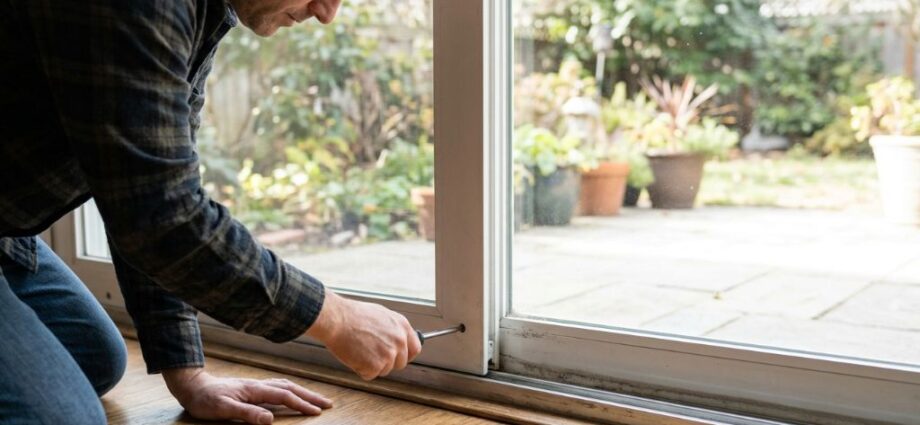
You adjust a sliding patio door by turning the roller screws near the bottom corners of the panel. These screws raise or lower the door to fix dragging or gaps. Most adjustments take less than fifteen minutes with a basic screwdriver.
A sticking or rattling slider is one of the most common complaints homeowners deal with. The good news is that the fix is usually simple and doesn’t require calling a professional. This guide walks through exactly how to get your door gliding smoothly again.
Common Signs Your Door Needs Adjusting
A door that drags across the track is the clearest sign something’s off. You might also notice gaps at the top or bottom that weren’t there before. Rattling when the wind blows is another frequent symptom.
Difficulty locking the door often ties back to the same root cause. If the panel has shifted slightly, the latch won’t line up correctly anymore. All of these issues usually point to the same simple fix.
What You Need Before You Start
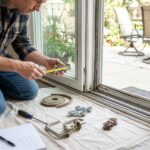
Gather a Phillips or flathead screwdriver, depending on your door’s hardware. Keep a vacuum or soft brush nearby for cleaning the track. A clean rag and light lubricant round out the toolkit.
Having everything ready before you begin saves time and frustration. Most doors use similar adjustment mechanisms, so this toolkit works for the vast majority of brands. Double check your screws before starting, since sizes can vary slightly.
Clean The Track First
Debris buildup is often mistaken for a mechanical problem. Dirt, leaves, and sand collect in the track over time. This buildup alone can cause dragging without any actual misalignment.
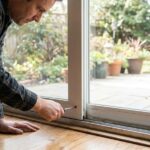
Vacuum the track thoroughly, then wipe it down with a damp cloth. Check for any bent or damaged sections while you’re at it. A clean track sometimes solves the problem entirely on its own.
Locate The Roller Adjustment Screws
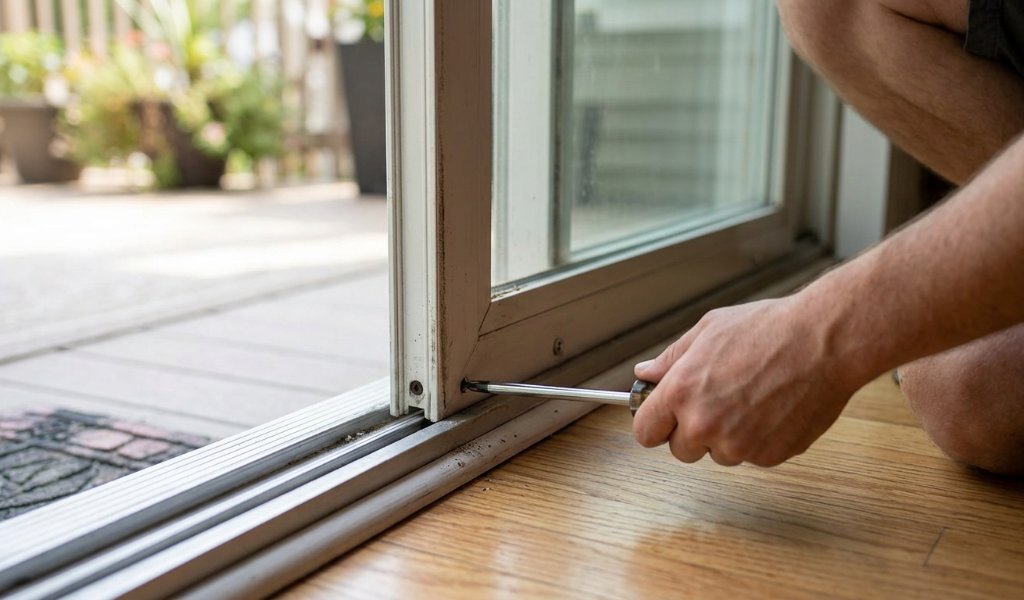
Roller adjustment screws sit near the bottom corners of the sliding panel. They’re usually accessible from the front or side of the door frame. Some models hide them behind a small plastic cap.
Look along the bottom edge for small holes or visible screw heads. Consult your door’s manual if you can’t spot them right away. Most manufacturers place them in similar, predictable locations.
Raise Or Lower The Door Panel
Turning the screw clockwise typically raises the panel slightly. Turning it counterclockwise lowers it back down. Small adjustments go a long way, so turn gradually.
Test the door after each small turn rather than making big changes at once. Slide it open and closed to check for smoother movement. Repeat on both sides until the panel sits level and glides evenly.
Here’s a quick troubleshooting guide based on what you’re seeing:
- Door drags on one side: raise that side slightly with the roller screw
- Gap at the top: lower the panel a small amount
- Gap at the bottom: raise the panel a small amount
- Door won’t stay closed: check alignment after adjusting height
Fix A Door That Won’t Lock Properly
Locking issues usually follow directly from height misalignment. Once the panel sits at the correct level, the latch typically lines up again. Test the lock after every adjustment you make.
If the latch still doesn’t catch, check for a bent strike plate. A worn or shifted strike plate sometimes needs minor repositioning too. This is a quick fix once the panel height is correct.
When Adjusting Isn’t Enough
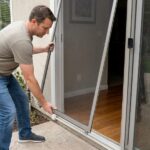
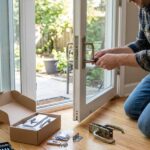
Sometimes the rollers themselves are too worn to hold any adjustment. If the door keeps slipping back out of alignment, the rollers may need replacing. This is common in older doors that have seen heavy daily use.
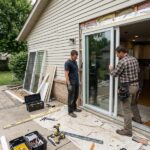
A bent track or warped frame won’t respond to roller adjustments either. In these cases, the structural issue needs addressing directly. If the frame itself is damaged, it may be time to look at replacement patio doors rather than continuing to chase small fixes.
Quick Seasonal Maintenance
Temperature swings cause frames to expand and contract throughout the year. This means doors often need a small tune-up each season. Checking alignment twice a year keeps problems from building up.
A few minutes of maintenance now prevents bigger headaches later. Lubricating the track and rollers during each check extends their lifespan. This simple habit keeps your door operating smoothly for years.
Frequently Asked Questions
How Do You Know Which Roller Screw To Turn?
Check both bottom corners, since most doors have adjustment screws on each side.
Can You Adjust A Sliding Door Without Removing It?
Yes, adjustments are made from the front without removing the panel.
How Often Should A Sliding Door Be Adjusted?
Most doors benefit from a quick check once or twice per year.
What If The Door Still Drags After Adjusting?
Worn rollers or a damaged track likely need repair or replacement.
Is It Normal For New Doors To Need Adjustment?
Yes, slight settling after installation is common and easily corrected.
Final Thoughts
Adjusting a sliding patio door is a quick, manageable fix that most homeowners can handle themselves. A few turns of the roller screws often solve dragging, gaps, and locking problems entirely. Regular seasonal checks keep your door running smoothly for the long haul.
If your door still struggles after adjusting it correctly, don’t ignore the warning signs. Get a professional opinion before small issues turn into costly repairs.