






Replacement patio doors fix drafts, fogging, and sticking that old units eventually develop. A well chosen door lowers energy bills and improves security right away. Most homeowners see a real difference within the first season after installation.
Patio doors take more daily abuse than almost any other opening in a home. They get walked through constantly, exposed to weather, and pushed against by wind and rain. Over time, seals fail, frames warp, and hardware wears down. This guide walks through every decision that goes into choosing replacement patio doors, from spotting the first warning signs to picking a style, material, and installer you can trust. Whether you’re dealing with a stubborn slider or planning a full backyard refresh, you’ll find clear, practical answers here.
Signs Your Patio Door Is Ready To Go
Not every problem means you need a brand new door. Some issues are cosmetic, while others point to deeper structural failure. Knowing the difference saves money and prevents wasted effort.
Drafts around the frame are often the first clue something’s wrong. Cold air leaking in during winter usually means the weatherstripping has worn out. If you feel a steady breeze near the edges, that’s a strong signal.
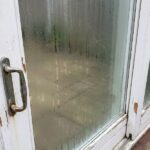
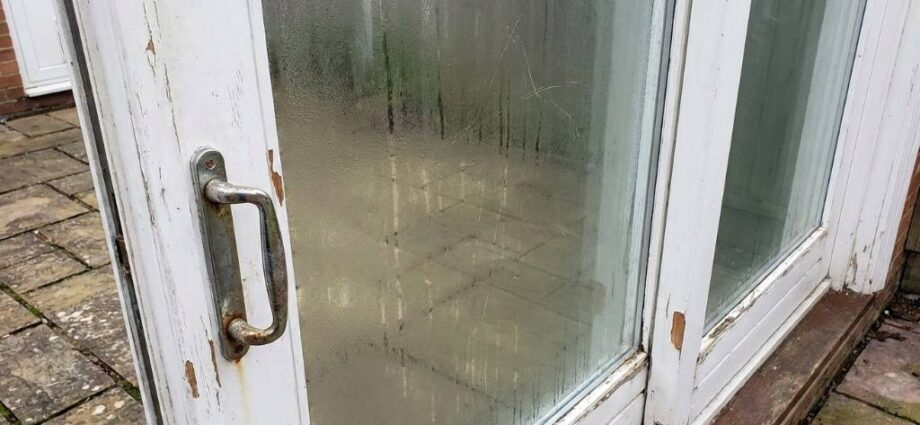
Condensation trapped between glass panes is another common warning sign. This happens when the seal on a double or triple pane unit breaks down. Once moisture gets inside, it won’t go away on its own.
Visible rot, warping, or rust along the frame tells a similar story. Wood frames swell and crack after years of rain exposure. Aluminum and steel frames can rust through if the finish wears off.
Security concerns matter just as much as comfort. Older locks and thin glass make a home more vulnerable. If the door feels flimsy when you push on it, that’s worth taking seriously.
Here are common red flags worth watching for:
- Persistent drafts near the frame or threshold
- Fog or moisture trapped between glass layers
- Visible rot, swelling, or rust on the frame
- A door that’s hard to lock or doesn’t latch fully
- Excessive noise coming through when closed
Not every sticking door needs full replacement right away. Sometimes a quick fix is all it takes, and learning how do you adjust a sliding patio door can solve the problem in under an hour. Rollers wear unevenly over time, which throws the panel out of alignment.
Cracked glass alone doesn’t always mean you need a whole new unit either. In many cases, patio door glass replacement addresses the issue without touching the frame. It’s worth getting this checked before assuming the worst.
Door Styles Compared: Sliding, Hinged, Folding, And Lift-And-Slide
Choosing a door style shapes how your space feels and functions. Each option has strengths depending on room layout and how you use your patio. Here’s how the main styles stack up against each other.
Sliding Doors
Sliding doors are the most common choice for good reason. They don’t swing into the room, which saves usable floor space. Most homes already have an opening sized for this style, making sliding patio door replacement a straightforward project for many owners.
They work well in smaller rooms where a swinging door would get in the way. Glass area tends to be larger too, which brings in more natural light. The tradeoff is that only half the opening can be used at once.
Hinged (French) Doors
Hinged doors swing open like traditional interior doors, often in pairs. They create a wider, more dramatic opening when both panels are open. Many homeowners like the classic look they bring to a space.
The downside is they need clearance to swing, both inside and outside. That makes them less ideal for tight patios or crowded rooms. They also tend to cost more than standard sliders.
Folding (Bi-Fold) Doors
Folding doors stack to one side, opening up nearly the entire wall. They’re popular for homes that want a true indoor-outdoor connection. Large gatherings and open floor plans benefit the most from this style.
Installation is more involved and pricier than other options. The track system needs careful setup to avoid future problems. Still, the payoff in usable open space is significant.
Lift-And-Slide Doors
Lift-and-slide doors are built for very large openings, sometimes spanning entire walls. A lift mechanism raises the panel slightly before it glides, reducing friction. This makes huge, heavy panels easy to operate smoothly.
They’re a premium option, both in price and performance. Energy efficiency and weather sealing tend to be excellent. Homes with wide, modern layouts are the best fit.
If you’re not sure which style suits your home, looking through patio door replacement ideas can help narrow things down. Seeing real examples often clarifies what will actually work in your space.
Frame Materials: Vinyl, Fiberglass, Aluminum, Wood, And Composite
The frame material affects durability, upkeep, insulation, and overall cost. There’s no single best choice for every home. It depends on climate, budget, and how much maintenance you’re willing to do.
Vinyl
Vinyl is affordable and requires almost no maintenance over time. It resists moisture well and won’t rot or rust. Color options are more limited compared to other materials.
It performs well in most climates and insulates reasonably. Over many years in intense heat, some vinyl frames can warp slightly. For budget-conscious buyers, it’s usually the starting point.
Fiberglass
Fiberglass holds up extremely well against temperature swings. It doesn’t expand or contract as much as vinyl or wood. Many manufacturers now offer wood-look finishes on fiberglass frames.
Costs sit above vinyl but below solid wood. Durability is excellent, often outlasting other materials by years. It’s a strong middle-ground choice for most homeowners.
Aluminum
Aluminum frames are slim, strong, and modern looking. They support large glass panels without needing thick framing. Coastal homes often choose aluminum for its rust resistance.
The tradeoff is lower natural insulation unless a thermal break is added. Without that feature, aluminum can feel cold to the touch in winter. Always ask about thermal break options when buying.
Wood
Wood offers a timeless, warm appearance that other materials struggle to match. It can be stained or painted to match nearly any home style. Insulation performance is naturally strong too.
Maintenance is the biggest downside, requiring regular refinishing. Exposure to moisture can cause swelling or rot if neglected. It suits homeowners who enjoy upkeep or live in milder climates.
Composite
Composite blends wood fibers with polymers for added strength. It resists rot better than solid wood while keeping a similar look. Pricing usually falls between fiberglass and solid wood.
It’s a solid pick for people who want wood’s appearance without constant care. Performance in humid or rainy regions tends to be reliable. Composite continues to gain popularity each year.
Quick comparison:
- Vinyl: budget-friendly, low maintenance, limited colors
- Fiberglass: durable, stable, mid-range cost
- Aluminum: slim, strong, needs thermal break for insulation
- Wood: classic look, high upkeep, strong insulation
- Composite: rot-resistant, wood-like appearance, moderate cost
Glass, Energy Ratings, And Safety
Glass choice affects comfort, energy bills, and safety just as much as the frame does. Understanding your options helps you ask the right questions when shopping. It’s one of the most overlooked parts of the buying process.
Double And Triple Glazing
Double pane glass has two layers with a gas-filled gap between them. Triple pane adds a third layer for even better insulation. Colder climates usually benefit most from triple glazing.
The extra layer reduces heat loss significantly during winter. It also helps block outside noise more effectively. The cost difference is worth considering against your region’s weather patterns.
Low-E Coatings And Gas Fills
Low-E coatings reflect heat while still allowing light through. This keeps interiors cooler in summer and warmer in winter. Most quality doors now include this coating as standard.
Argon or krypton gas often fills the space between panes. These gases insulate better than regular air. Together with Low-E coating, they significantly improve energy performance.
Tempered And Laminated Glass
Tempered glass breaks into small, rounded pieces instead of sharp shards. This makes it far safer for homes with kids or pets. Most building codes require tempered glass for patio doors.
Laminated glass adds a layer that holds shattered pieces together. It’s more resistant to break-ins and reduces outside noise further. Homes in storm-prone areas often choose this upgrade.
When Glass Fails Separately
Sometimes the frame stays solid while only the glass unit fails. In these cases, patio door glass replacement can solve fogging or cracking issues directly. It’s typically much cheaper than swapping the entire door.
A glazier can usually assess this in a single visit. If the frame shows no damage, replacing just the glass unit makes sense. This keeps costs down while still fixing the core problem.
Measuring Your Opening And Planning The Swap
Accurate measurements prevent delays, extra costs, and installation headaches. Even small errors can throw off an entire order. Taking time here pays off later.
Width And Height
Measure the rough opening at three points: top, middle, and bottom. Use the smallest width and height measurements for ordering. Framing can shift slightly over time, so don’t assume it’s perfectly square.
Write down both the rough opening and the actual frame size. Manufacturers usually need both numbers to build an accurate unit. Double-check everything before placing an order.
Wall Depth And Sill Condition
Wall depth determines what frame thickness will fit properly. Thicker walls may need jamb extensions to bridge the gap. Check this early so there are no surprises during installation.
Inspect the sill for soft spots, rot, or uneven settling. A damaged sill needs repair before the new door goes in. Skipping this step often leads to leaks later.
Permits And Local Rules
Many areas require permits for exterior door replacements. Rules vary by city, so checking local requirements avoids fines. Your installer should know what’s required in your area.
Some neighborhoods also have restrictions through homeowners associations. It’s worth confirming before purchasing a specific style or color. A quick phone call can prevent costly mistakes.
Common Ordering Mistakes
People often order the wrong swing direction or panel configuration. Double-check which side the active panel should be on. Mixing this up means delays and possible return fees.
Another frequent error is forgetting to measure for trim and casing. These small details add up if ignored. A careful walkthrough with your installer helps catch issues early.
What Replacement Costs Look Like
Costs vary widely depending on material, size, and labor in your area. Having a general range helps you budget realistically. Hidden costs often surprise first-time buyers, so it helps to know what’s coming.
Price Ranges By Material And Style
Vinyl sliding doors tend to sit on the lower end of the price spectrum. Wood and lift-and-slide doors sit at the higher end. Aluminum and fiberglass usually fall somewhere in the middle.
Here’s a general cost breakdown by type:
- Vinyl sliding doors: affordable, entry-level pricing
- Fiberglass or aluminum: mid-range, better durability
- Wood or composite: higher cost, premium look
- Lift-and-slide or folding walls: top of the range, largest openings
Labor And Installation Fees
Labor costs depend on complexity, local rates, and whether structural work is needed. Simple swaps cost less than openings requiring reframing. Always get at least two or three quotes before deciding.
Hidden Costs To Expect
Sill repair, trim replacement, and disposal fees often get left out of initial quotes. Painting or staining afterward adds further cost too. Ask your installer for a full breakdown upfront.
Ways To Save Without Cutting Corners
Buying during off-peak seasons sometimes brings better pricing. Bundling multiple door or window projects together can reduce per-unit costs. Choosing a slightly smaller or simpler configuration also helps control spending.
Replacing a few worn components first is often far cheaper than swapping the whole unit. Checking patio door replacement parts availability for your current door can reveal a cheaper fix. It’s always worth exploring before committing to a full purchase.
Repair Or Replace: A Simple Decision Guide
Deciding between repair and replacement comes down to a few clear factors. Age, damage severity, and cost comparison all play a role. Walking through each one makes the decision easier.
How Old Is The Door
Most patio doors last between fifteen and twenty-five years depending on material. If your door is within that range and still structurally sound, repair often makes sense. Beyond that age, replacement usually becomes the smarter long-term choice.
What’s Actually Damaged
Minor issues like a worn latch or sticky track rarely justify full replacement. A simple patio door lock replacement can resolve security concerns without major expense. Structural damage to the frame is a different story entirely.
Compare Repair Cost To Replacement Cost
If repair costs climb close to half the price of a new door, replacement becomes more sensible. Multiple small repairs add up faster than people expect. Getting quotes for both options side by side clears up the decision quickly.
Quick Decision Checklist
- Door is under 15 years old with no frame damage: repair
- Rollers, handles, or hardware are worn: check patio door replacement parts first
- Glass is foggy but frame is solid: consider glass-only replacement
- Frame shows rot, warping, or rust: full replacement
- Multiple issues stacking up at once: full replacement likely cheaper long term
Hiring A Pro Or Doing It Yourself
This decision depends on your skill level, available time, and the door’s complexity. Some installs are manageable for confident DIYers. Others really do need professional hands.
What DIY Requires
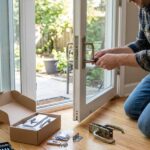
You’ll need basic carpentry tools, patience, and a helper for lifting heavy panels. Sill repair and leveling require precision most beginners underestimate. Mistakes here lead to drafts and leaks later.
When Hiring A Pro Makes Sense
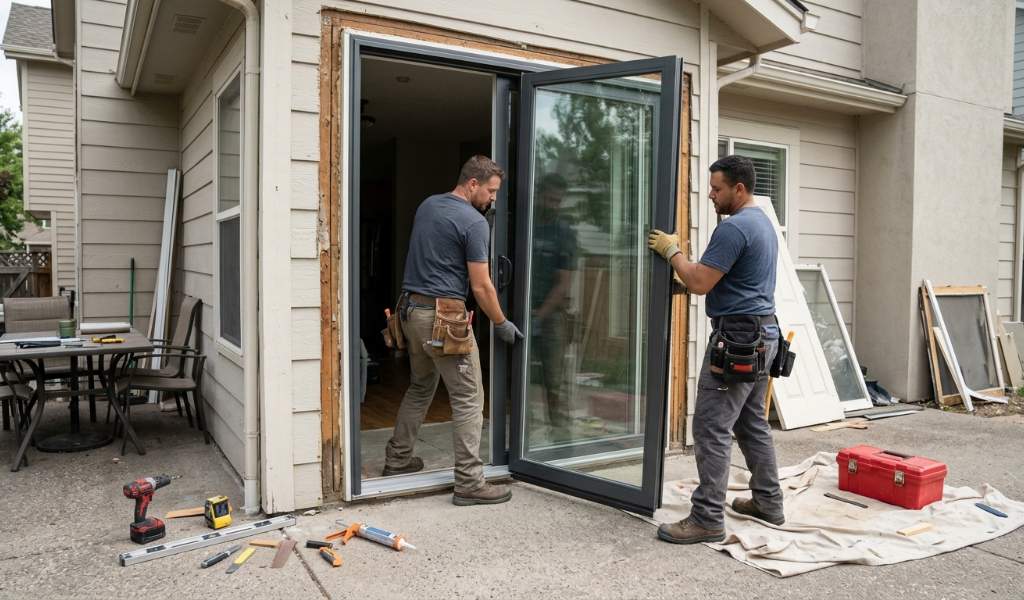
Larger doors, structural changes, or unusual openings call for professional installation. Warranty terms on many doors require professional installation to stay valid. This alone makes hiring worthwhile for many buyers.
How To Vet An Installer
Always confirm licensing and insurance before signing anything. Ask for written quotes that break down labor and materials separately. A written warranty on labor protects you if problems surface later.
Red Flags To Watch For
Be cautious of installers who refuse written estimates or rush you into decisions. Unusually low quotes sometimes mean corners will be cut. Always check recent reviews before making a final choice.
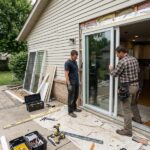
How Installation Works, Start To Finish
Understanding the installation process helps you know what to expect on the day. It also helps you spot problems early if something seems off. Here’s the general sequence most installers follow.
Preparing The Opening
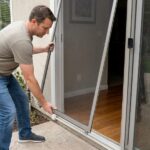
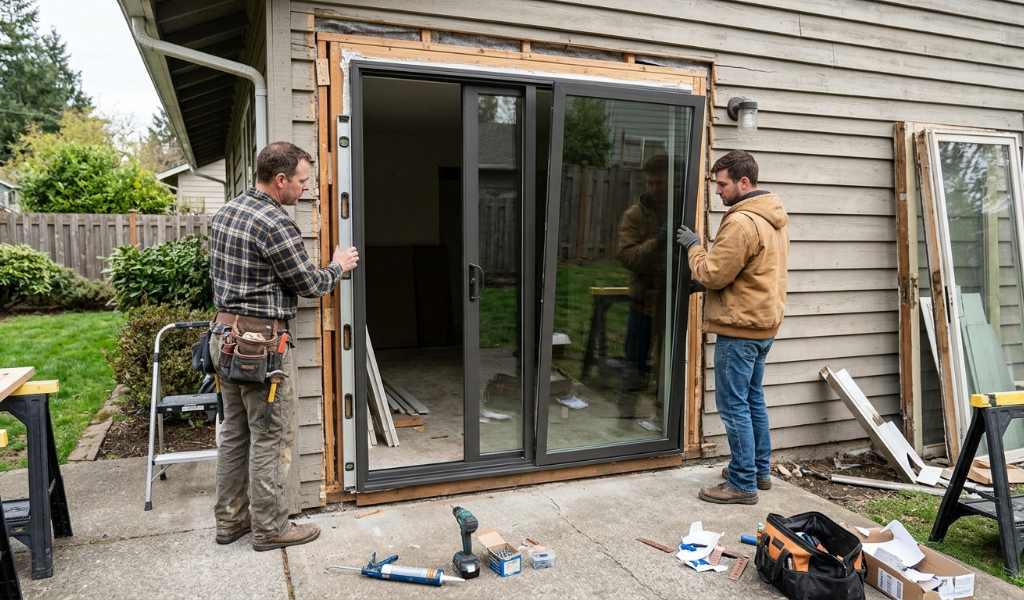
Before removal begins, any screen panel needs to come off first. Knowing how to remove patio screen door panels safely makes this step much smoother for everyone involved. Once that’s clear, the old door frame can be taken out.
Checking And Repairing The Sill
With the old unit removed, installers inspect the sill for rot or unevenness. Any damage gets repaired before the new frame goes in. Skipping this step is a common cause of future leaks.
Setting The New Frame
The new door frame gets leveled, shimmed, and secured into the opening. Flashing is applied to direct water away from the frame. Precision here determines how well the door performs for years.
Sealing And Insulating
Gaps around the frame get filled with insulation and sealant. This step is critical for both energy efficiency and keeping moisture out. A rushed sealing job often leads to drafts later.
Final Adjustments And Trim
Once secured, the panel gets tested for smooth operation and proper locking. Trim and casing are installed to finish the look. A final walkthrough confirms everything operates as expected.
Keeping Your New Doors In Good Shape
Regular upkeep extends the life of any patio door significantly. A few simple habits prevent most common problems. It doesn’t take much time each season.
Cleaning The Tracks
Dirt and debris in the track cause dragging and uneven movement. A quick vacuum and wipe-down every few months keeps things smooth. This single habit prevents a large share of future issues.
Lubricating Moving Parts
Rollers and hinges benefit from light lubrication once or twice a year. Use a silicone-based spray rather than heavy oil, which attracts dust. This keeps operation quiet and smooth.
Checking Seals And Weatherstripping
Inspect weatherstripping each season for cracking or gaps. Replacing worn strips is inexpensive and prevents drafts. Catching this early saves on energy costs down the line.
Seasonal Tune-Ups
Even well-built doors shift slightly with seasonal temperature changes. Revisiting how do you adjust a sliding patio door once a year keeps everything aligned properly. This small routine check prevents bigger problems from developing.
Choosing A Supplier And Reading The Warranty
The supplier you choose matters almost as much as the door itself. Warranty terms, lead times, and return policies vary widely between companies. A little research upfront avoids frustration later.
What To Look For In Coverage
Look for warranties covering both the frame and the glass separately. Some companies offer lifetime coverage on certain components. Always read the fine print on what voids coverage.
Lead Times And Availability
Custom sizes often take longer to manufacture than standard dimensions. Ask about realistic timelines before committing to a purchase date. Planning around busy seasons helps avoid long waits.
Return And Service Policies
Confirm what happens if a door arrives damaged or doesn’t fit correctly. Reliable suppliers offer clear service policies for these situations. This protects your investment if something goes wrong.
Frequently Asked Questions
How Long Do Replacement Patio Doors Typically Last?
Most quality doors last between fifteen and twenty-five years with proper care.
Can I Replace Just The Glass Instead Of The Whole Door?
Yes, if the frame is sound, glass-only replacement is often possible and cheaper.
What’s The Average Cost To Replace A Patio Door?
Costs vary widely by material, but vinyl sliders tend to sit at the lower end.
Do I Need A Permit To Replace A Patio Door?
In many areas yes, so check local building requirements before starting the project.
How Do I Know If My Door Needs Repair Or Full Replacement?
Minor hardware issues usually mean repair, while frame rot or warping means replacement.
Final Thoughts
Choosing the right replacement patio doors comes down to understanding your home’s needs clearly. Style, material, glass type, and budget all work together toward one decision. Taking time upfront leads to a door that performs well for years.
Start by assessing your current door’s condition honestly. From there, compare a few styles and materials that fit your climate and budget. When you’re ready, get quotes from trusted local installers to move forward confidently.