

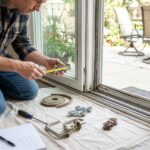
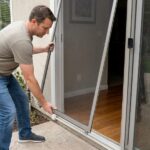
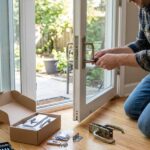

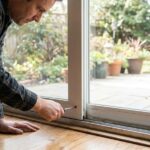
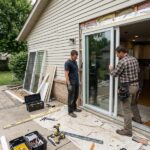


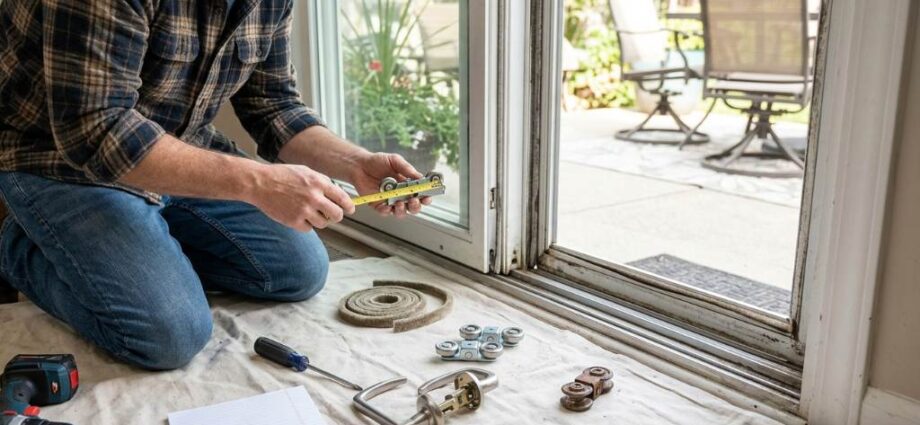
Patio door replacement parts include rollers, tracks, handles, locks, and weatherstripping. Most of these components can be ordered once you identify your door’s brand and model. Matching parts correctly is the key to a smooth, lasting fix.
A patio door rarely fails all at once. Usually, one or two components wear out first while the rest of the door remains perfectly functional. Knowing which parts are replaceable can save significant money compared to a full door swap.
Most Common Parts That Wear Out
Rollers take the brunt of daily use and tend to fail first. Constant sliding motion wears down their bearings over several years. This leads to dragging, sticking, or uneven movement.
Handles and locks see heavy use too, especially on frequently opened doors. Loose or sticky handles often mean internal components have worn out. Locks can fail from both mechanical wear and simple age.
Weatherstripping degrades faster than most other parts due to constant compression. Sun exposure and temperature swings accelerate this wear. Worn weatherstripping is a leading cause of drafts and energy loss.
Rollers And Tracks
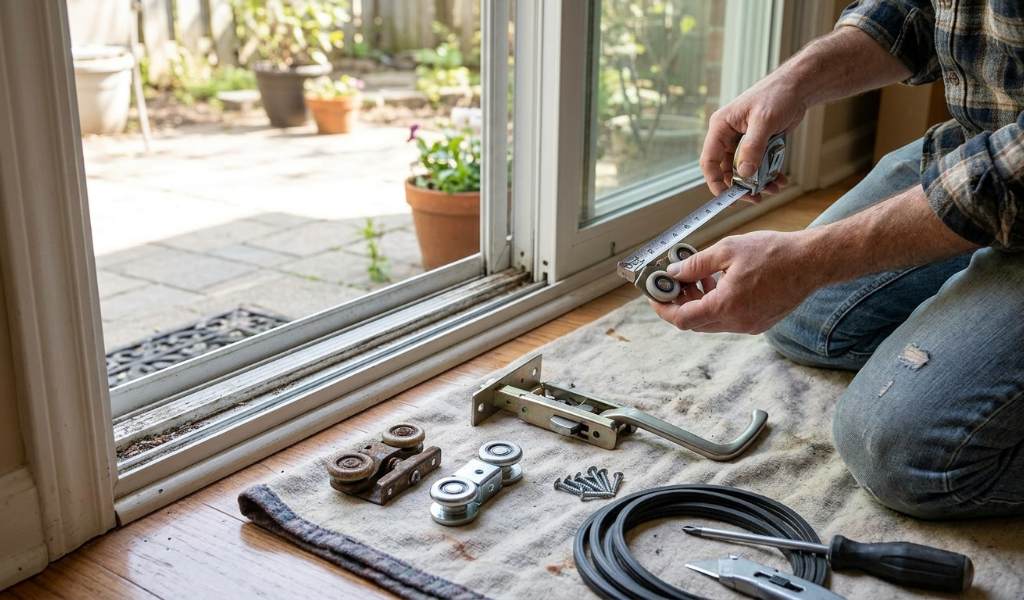
Rollers sit at the bottom corners of the sliding panel and bear its full weight. Over time, their wheels flatten or their bearings seize up. This causes the dragging sensation many homeowners notice first.
Tracks can also wear down, developing grooves or becoming bent from repeated stress. A damaged track affects roller performance even after replacement. Inspecting both together gives a clearer picture of what’s actually failing.
Replacement rollers are widely available and typically straightforward to install. Most swap in using a few screws near the bottom edge. Matching wheel size and mounting style to your original hardware matters most.
Handles, Latches, And Strike Plates
Handles connect directly to the internal latch mechanism inside the door edge. A loose handle often means the connecting screws have simply worked free. Tightening them first can sometimes solve the issue without full replacement.
Strike plates receive the latch when the door closes and locks. These can shift slightly over time due to frame settling. Replacing a worn strike plate is inexpensive and often overlooked.
When ordering handle sets, pay attention to the spindle length and mounting hole spacing. Mismatched dimensions are a common reason replacement parts don’t fit correctly. Taking careful measurements beforehand avoids this frustration.
Weatherstripping And Seals
Weatherstripping lines the frame to block drafts and moisture. It compresses every time the door closes, which gradually wears it down. Cracking, flattening, or visible gaps mean it’s time for a replacement strip.
Most weatherstripping peels away and reattaches using adhesive backing or a simple track slot. Measuring the full perimeter length ensures you order enough material. Cutting slightly longer pieces is safer than coming up short.
Fresh weatherstripping often makes a noticeable difference in comfort and energy bills. It’s one of the cheapest fixes available for a drafty door. Many homeowners are surprised how much impact this small part has.
How To Find Your Brand And Model
Check for a manufacturer stamp along the top or side of the door frame. Many brands include a small metal or plastic tag with model information. This single detail makes ordering parts dramatically easier.
If no stamp is visible, look between the glass panes for a spacer tag. These often include manufacturing codes useful for identification. A flashlight helps when the tag is small or faded.
When no markings exist at all, measure key dimensions carefully instead. Note the roller size, track width, and overall frame depth. Bring these measurements to a hardware specialist for help matching parts.
Where To Buy: OEM Vs Universal
Original equipment manufacturer parts guarantee an exact match to your existing hardware. These are the safest choice when available, though sometimes pricier. Many manufacturers sell parts directly or through authorized dealers.
Universal parts work across multiple brands and are often more affordable. They require more careful measuring to ensure proper fit. For simple components like rollers, universal options often work just fine.
Specialty hardware stores and online retailers both carry a wide range of options. Reading reviews and checking return policies helps avoid costly mismatches. When parts are discontinued or the frame is warped beyond simple fixes, replacement patio doors become the more practical long-term choice.
Price Ranges And Fitting Tips
Rollers and handles tend to sit at the lower end of the price range. Weatherstripping is similarly affordable and easy to source. Locks and complete hardware sets cost somewhat more depending on brand.
Here’s a quick summary of typical part categories:
- Rollers: affordable, essential for smooth sliding motion
- Handles and locks: moderate cost, directly affects security
- Weatherstripping: inexpensive, major impact on energy efficiency
- Strike plates: very low cost, often overlooked during repairs
Always test fit before fully securing any new part. A quick dry fit catches sizing issues before they become permanent problems.
Frequently Asked Questions
How Do I Know Which Replacement Part I Need?
Identify the specific symptom first, such as dragging, drafts, or a loose handle.
Are Universal Parts As Reliable As OEM Parts?
For simple components like rollers, universal parts generally work just as well.
How Long Do Replacement Rollers Typically Last?
Quality rollers usually last ten to fifteen years under normal use.
Can I Replace Weatherstripping Myself?
Yes, most weatherstripping installs easily without professional help or special tools.
What If My Door’s Parts Are No Longer Manufactured?
Universal alternatives often work, though full replacement may eventually be more practical.
Final Thoughts
Replacing individual parts is often the smartest first step before considering a full door swap. Identifying your door’s brand and measuring carefully makes ordering much simpler. Small fixes like new rollers or weatherstripping can dramatically improve performance.
If your door is showing multiple signs of wear at once, start by sourcing the right parts today. A little research now can save you from a much bigger expense later.