
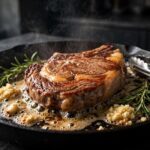
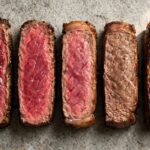
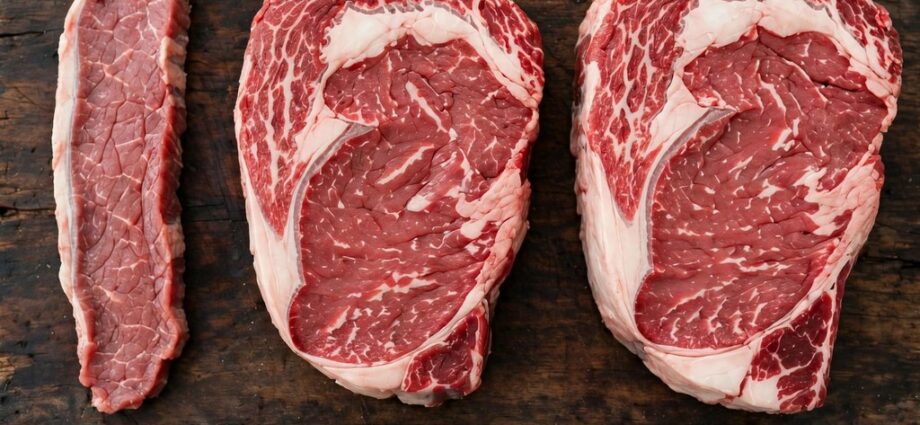
Steak thickness controls cooking time more than almost any other factor. Thin steaks cook in minutes, while thick cuts need much longer heat exposure. Therefore, you should match your timing to thickness first, then adjust for cut and method.
Thickness changes heat travel, so thicker steaks need more time at the center. Use a steak cooking chart as your starting guide for each thickness range. However, always measure the thickest part before you choose a time. Additionally, that single measurement prevents most overcooking mistakes at home.
Thin steaks suit fast, high heat cooking methods. Meanwhile, thick steaks benefit from gentler, longer cooking approaches. Finally, one-inch steaks sit between these two extremes.
Why Steak Thickness Changes Cooking Time
Heat moves from the outside of a steak toward its center. Consequently, a thicker steak keeps its center cool for much longer. For example, doubling thickness more than doubles the time heat needs. Therefore, small thickness differences can change your result sharply.
Thin Steak Thickness Cooking Time: Fast Heat, Short Times
Thin steaks measure under three quarters of an inch thick. They cook best over very high heat for short periods. Additionally, a hot pan or grill sears the surface quickly. Meanwhile, the center reaches doneness before the outside dries out.
Use short intervals and flip thin steaks often during cooking. For example, flip every minute to promote even browning across both sides. However, avoid walking away, since thin steaks overcook in seconds. Therefore, keep your thermometer close and check early.
One-Inch Steak Thickness Cooking Time Reference
One-inch steaks form the baseline for most cooking time guides. They balance a browned crust with a juicy, tender center. Additionally, their timing feels predictable across common cooking methods. For example, many guides quote times for one-inch steaks first.
Thick-Cut Steak Thickness Cooking Time Guide
Thick-cut steaks measure one and a half inches or more. They need gentler heat to cook the center without burning the outside. Additionally, a two-stage method works especially well for thick cuts. For example, start with indirect heat, then finish with a hot sear.
Low, steady heat lets the center warm gradually and evenly. Meanwhile, a final sear builds crust without adding much interior heat. Furthermore, this approach reduces the gray band under the surface. Consequently, thick steaks stay pinker and juicier throughout.
How Different Cuts Change the Timing
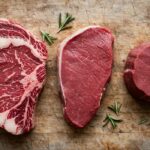
Cut affects cooking time because fat, muscle, and thickness vary together. Tender cuts cook faster than tougher, denser cuts do. Additionally, marbling insulates meat and slows heat movement slightly. Therefore, compare cuts of similar thickness for fair timing.
Tender Cuts Cook Quickly
Tender cuts, such as filet mignon, need less cooking time overall. Their fine texture heats evenly and stays tender with gentle handling. Additionally, they dry out quickly when cooks overshoot the target temperature. Consequently, pull tender cuts early and rest them briefly.
Marbled Cuts Need Time for Fat to Render
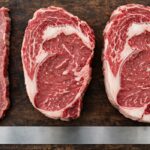
Marbled cuts, such as ribeye, carry fat throughout the muscle. That fat needs time to soften and baste the meat. Additionally, slightly longer cooking improves flavor and texture noticeably. Meanwhile, the fat protects the meat from drying out.
Lean Cuts Demand Careful Timing
Lean cuts, such as sirloin, contain less fat for protection. They cook faster than marbled cuts of equal thickness. Additionally, they toughen quickly once they pass medium doneness. Therefore, watch lean cuts closely and avoid overcooking them.
Steak Thickness Cooking Time Across Methods
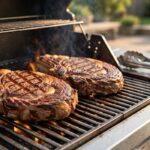
- Grilling: Use high heat for thin steaks and two-zone heat for thick cuts. Additionally, move thick steaks away from direct flames.
- Pan searing: Sear quickly, then lower heat or finish thick steaks in the oven. Meanwhile, keep the pan hot for a strong crust.
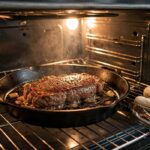
- Oven roasting: Roast thick steaks slowly for even doneness from edge to center. Furthermore, check temperature early to avoid overcooking.
- Reverse searing: Warm thick steaks gently first, then sear briefly at the end. Finally, rest briefly before slicing and serving.
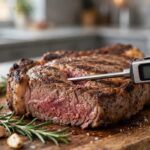
Check your target doneness before you pull any steak from heat. Consult a steak doneness temperature chart to match pull temperatures to your preference. Additionally, remember carryover cooking after you remove the steak. Consequently, pull steaks a few degrees below your final target.
How to Adjust for Doneness
Doneness targets stay the same regardless of steak thickness overall. Rare steaks pull around 120 to 125 degrees Fahrenheit. Meanwhile, medium-rare steaks pull around 130 to 135 degrees. Furthermore, medium steaks pull around 135 to 145 degrees Fahrenheit.
Medium-well steaks pull around 145 to 155 degrees Fahrenheit. Well-done steaks pull at 155 degrees Fahrenheit or higher. However, the food safety minimum remains 145 degrees with rest. Therefore, rare and medium-rare cooking involves a personal choice.
Thicker steaks show larger carryover rises than thin steaks do. For example, a thick steak may rise five degrees during resting. Additionally, thin steaks rise less because they hold less heat. Consequently, adjust your pull temperature for thickness every time.
Common Thickness Mistakes
Many cooks guess thickness instead of measuring it accurately. As a result, they follow times meant for a different thickness. Additionally, uneven steaks cook unevenly from one end to another. Therefore, measure the thickest point and plan around it.
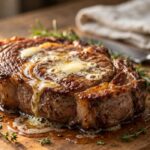
Skipping the rest causes the most avoidable disappointment after cooking. Use a steak grilling time chart to plan grill times accurately. Juices need time to settle before slicing begins. Additionally, carryover heat finishes the center during resting time.
Frequently Asked Questions
How long should I cook a thick steak?
A thick steak needs longer, gentler cooking with a two-stage method.
How long do you cook a one-inch steak?
A one-inch steak usually needs several minutes per side, depending on heat and target doneness.
Does steak thickness affect cooking time more than cut?
Thickness usually matters most, although cut, fat content, and cooking method also change total time significantly.
Should thick steaks rest longer than thin steaks?
Yes, thick steaks need a longer rest because they hold more heat.
What temperature should steak reach before resting?
Steak should reach at least 145 degrees Fahrenheit, then rest before slicing for safety and juiciness.
Conclusion
Thickness sets your cooking time, while cut and method refine it. Thin steaks need fast heat, one-inch steaks follow standard timing, and thick cuts need patience. Additionally, measuring thickness and checking temperature prevent most mistakes. Consequently, you can cook every steak with greater confidence now.
Start with your next steak by measuring its thickest point today. Then choose your method, set your target temperature, and rest the steak properly. Finally, try this thickness-first approach tonight and enjoy a perfectly cooked steak.