
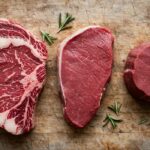

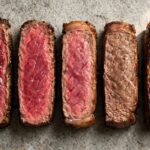
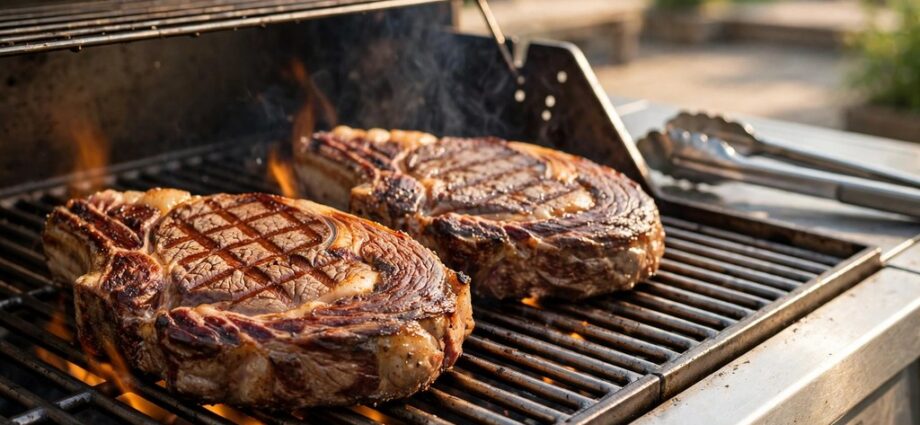
Grill a one-inch steak with the steak grilling time chart for medium-rare results every time. Thicker steaks need longer cooking times and a two-zone heat setup. Use this chart to match thickness, doneness, and grill heat with confidence. Meanwhile, learn the basic timing rules below for consistently juicy steak.
First, preheat your grill fully before you place any steak on the grates. Next, pat each steak dry and season it generously just before grilling. Additionally, keep a reliable thermometer nearby to check doneness accurately every time. Finally, rest every steak briefly after grilling so juices redistribute evenly throughout the meat.
Prepare Your Grill for Steak with the Grilling Time Chart
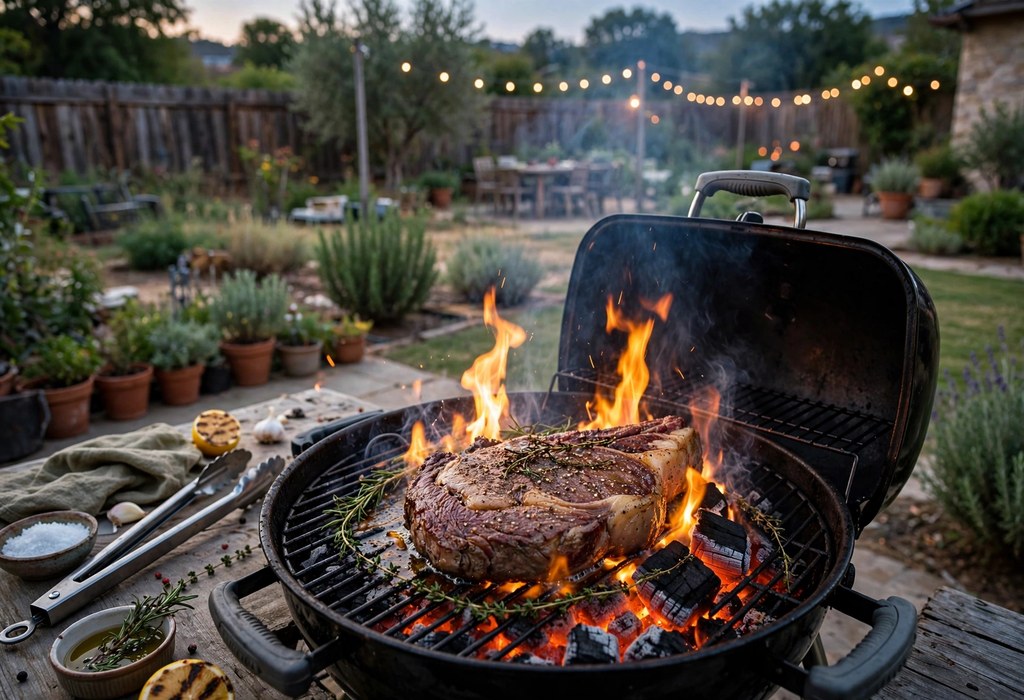
Start with clean grates and a hot grill for strong sear marks. Moreover, brush the grates lightly with oil before you add the steaks. For example, consult the steak cooking chart when you plan timing for different cuts. Consequently, your steak sears quickly instead of sticking to dirty grates.
Create two heat zones by banking coals on one side only. Similarly, set one gas burner high and leave another burner low. Use the hot zone for searing and the cooler zone for finishing thicker steaks. Therefore, you control heat easily without moving steaks off the grill entirely.
- High heat: Preheat gas grills to 450 to 500 degrees Fahrenheit.
- Clean grates: Scrub grates thoroughly before every grilling session starts.
- Oil lightly: Brush oil onto grates rather than onto steak surfaces directly.
- Two zones: Keep one hot zone and one cooler zone ready always.
Steak Grilling Time Chart by Thickness
Here is the chart below:
| Steak thickness | Rare | Medium-rare | Medium | Medium-well |
|---|---|---|---|---|
| ½ inch | 1–2 min/side | 2 min/side | 2–3 min/side | 3 min/side |
| ¾ inch | 2–3 min/side | 3–4 min/side | 4 min/side | 4–5 min/side |
| 1 inch | 3–4 min/side | 4–5 min/side | 5–6 min/side | 6–7 min/side |
| 1½ inches | 5–6 min/side | 6–7 min/side | 7–8 min/side | 9–10 min/side |
| 2 inches | Sear, then indirect heat | Sear, then indirect heat | Sear, then indirect heat | Sear, then indirect heat |
Thin steaks cook fast, so watch them closely from start to finish. For example, grill a half-inch steak for two to three minutes per side. Additionally, aim for medium-rare doneness by pulling thinner steaks earlier than thicker cuts. Check temperature early because thin steaks overcook within seconds on high heat.
Grill a one-inch steak for four to five minutes per side for medium-rare. Next, add one minute per side for medium doneness and firmer texture. For rare results, reduce cooking time to three to four minutes per side. Similarly, well-done steaks need six to seven minutes per side on direct heat.
Thick steaks need a different approach because direct heat alone burns exteriors quickly. First, sear a one-and-a-half-inch steak for three minutes per side over high heat. Then, move it to indirect heat and check the steak doneness temperature chart for pull temperatures. Finally, finish thick steaks indirectly for four to six additional minutes per side.
A two-inch steak often needs eight to ten minutes of indirect finishing time. Moreover, flip thick steaks only once or twice to preserve juices and heat. Use a thermometer at the thickest point and avoid cutting steaks open repeatedly. Consequently, thick steaks stay juicy inside while developing a crisp exterior crust.
How to Get Perfect Sear Marks with the Steak Grilling Time Chart
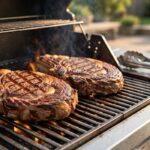
Dry surfaces sear best, so pat steaks completely dry before grilling starts. Place steaks on screaming-hot grates and leave them untouched for two minutes. Next, rotate each steak forty-five degrees to create crosshatch grill marks. For example, rotate steaks once on each side for even diamond patterns.
Avoid pressing steaks with a spatula because pressing squeezes juices onto the fire. Similarly, avoid moving steaks constantly since movement prevents proper crust formation. Let crusts form naturally before flipping, and flip only when steaks release easily. Therefore, patience rewards you with darker marks and juicier steak centers.
Direct Heat Versus Indirect Heat on the Steak Grilling Time Chart
Searing Over Direct Heat
Direct heat cooks steaks quickly over flames or glowing coals below the grates. Use direct heat for steaks up to one inch thick and for initial searing. Moreover, keep the lid closed between flips to maintain steady high temperatures.
Indirect Heat for Thick Steaks on the Steak Grilling Time Chart
Indirect heat cooks steaks gently without flames touching meat surfaces directly. Move thick steaks away from direct flames after searing both sides thoroughly. Additionally, close the lid and let trapped heat finish cooking steaks evenly. Finally, check temperatures frequently because indirect heat still cooks steaks steadily.
How to Control Flare-Ups
Flare-ups happen when fat drips onto flames and ignites suddenly below steaks. First, trim excessive exterior fat before grilling to reduce dripping fat significantly. Next, move steaks immediately to the cooler zone when flames flare up. Never spray water onto grease fires because water spreads burning fat dangerously.
Keep the lid closed during flare-ups to starve flames of oxygen quickly. Meanwhile, watch steaks closely through the vent instead of opening the lid repeatedly. For indoor timing comparisons, consult the pan-seared steak cooking times alongside this grilling guide. Consequently, you prevent charred exteriors while keeping steaks juicy and flavorful.
- Trim fat: Remove thick exterior fat before steaks reach the grill.
- Move steaks: Shift steaks to indirect heat during sudden flare-ups.
- Close lid: Close the lid quickly to reduce oxygen for flames.
- Stay ready: Keep tongs nearby for fast and safe steak moves.
How to Rest Steak After Grilling with the Time Chart
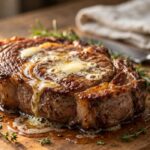
Rest steaks for five to ten minutes before slicing into juicy centers. Place steaks on a warm plate and tent them loosely with foil. Meanwhile, internal temperatures rise three to five degrees during resting time. Therefore, pull steaks slightly before your target temperature for perfect results.
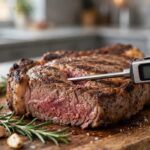
Remember the minimum safe temperature reaches 145 degrees Fahrenheit for steak. For example, pull medium-rare steaks at 130 to 135 degrees Fahrenheit before resting. Similarly, pull medium steaks at 135 to 145 degrees Fahrenheit for firmer centers. Finally, pull rare steaks at 120 to 125 degrees Fahrenheit for cooler red centers.
Pull medium-well steaks at 145 to 155 degrees Fahrenheit for mostly firm centers. Well-done steaks need 155 degrees Fahrenheit or higher for fully firm centers. Additionally, use a thermometer every time because color alone misleads even experienced grillers.
Frequently Asked Questions
How Long Should I Grill a 1-Inch Steak?
Grill a one-inch steak for four to five minutes per side for medium-rare doneness.
How Long Do I Grill a Steak for Medium-Rare?
Grill thin steaks briefly, and grill one-inch steaks for four to five minutes per side.
What Temperature Should I Pull Steak Off the Grill?
Pull medium-rare steak at 130 to 135 degrees Fahrenheit before resting it briefly.
How Do I Prevent Flare-Ups While Grilling Steak?
Trim excess fat, use two heat zones, and move steaks away from sudden flames.
How Long Should Steak Rest After Grilling?
Rest every grilled steak for five to ten minutes before slicing and serving.
Fire Up the Grill With the Steak Grilling Time Chart
Now you know exactly how long to grill steaks by thickness and doneness. Next, fire up your grill this weekend and test these timing guidelines. Share this chart with fellow grillers and enjoy juicier steaks at every cookout. Finally, grab your thermometer, light the grill, and cook your best steak yet.