
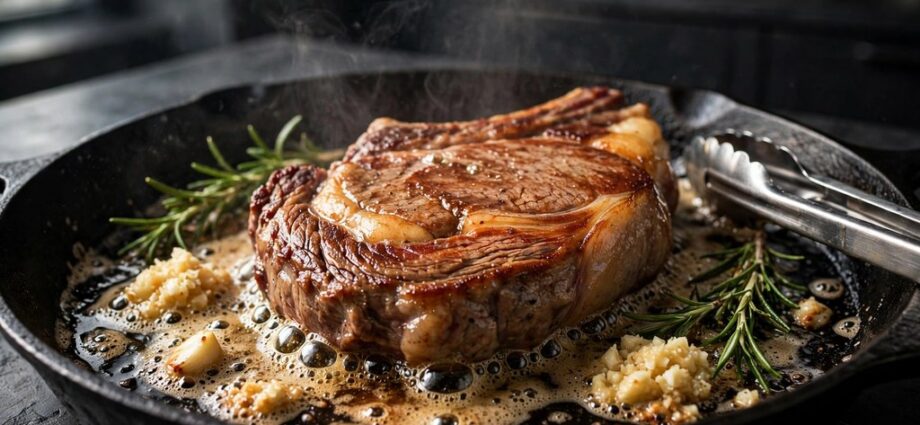
Pan-seared skillet steak cooking times need a very hot skillet and a dry surface. For example, a one-inch steak reaches medium-rare after about four minutes per side. Additionally, thicker steaks need gentler heat after searing to cook evenly inside.
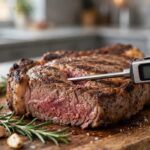
First, pat the steak dry and season it generously before cooking begins. Next, heat oil in a heavy skillet until the oil shimmers lightly. Finally, sear the steak, baste it with butter, and rest it before slicing. Meanwhile, use a thermometer to check doneness and avoid guessing by color alone.
Moreover, pan searing suits weeknight cooking because it delivers fast, reliable results. Therefore, this guide explains skillet choice, timing, crust, basting, and smoke control clearly.
Choose the Right Skillet for Steak Cooking Times
A heavy skillet holds heat steadily and browns steak evenly across the surface. For example, cast iron stores heat well and creates a deep, even crust. Additionally, carbon steel offers similar heat retention with a lighter feel in hand. Therefore, match your pan to the steak cooking chart doneness you want.
Cast Iron Delivers the Best Crust
Cast iron retains heat through the full sear and recovers heat quickly. First, preheat cast iron gradually over medium heat for several minutes. Next, raise the heat to high shortly before you add oil. Finally, check the surface heat with a water droplet test carefully.
Preheat and Prepare the Steak for Skillet Cooking Times
First, remove steak from the refrigerator about thirty minutes before cooking. Next, pat both sides completely dry with paper towels. Additionally, dry surfaces brown faster and splatter less in hot oil. Therefore, never skip drying, even when time feels short.
Next, heat the empty skillet over medium-high heat for three minutes. Then add a thin layer of high smoke point oil. For example, avocado oil or refined grapeseed oil tolerates high searing heat. Finally, wait until oil shimmers and flows easily across the pan.
Skillet Steak Cooking Times by Thickness and Doneness
Cooking time depends mainly on thickness, starting temperature, and target doneness. For example, a one-inch steak cooks faster than a thick cut. Additionally, cold steak needs extra time compared with room temperature steak. Therefore, always measure thickness before you choose a cooking time.
For a quick reference across methods, consult the steak cooking chart before you start cooking today. Additionally, use that chart alongside a thermometer for reliable results every time.
A one-inch steak needs about three to four minutes per side for medium-rare. Next, check the center temperature early to avoid overcooking the steak. Furthermore, a medium steak needs about four to five minutes per side. Finally, well-done steak needs longer cooking and gentler heat after searing.
A one-and-a-half-inch steak needs about five to six minutes per side for medium-rare. Meanwhile, reduce heat slightly after the first sear for thick cuts. Additionally, flip thick steak every two minutes for even cooking throughout. Therefore, thick cuts develop crust without burning the exterior surface.
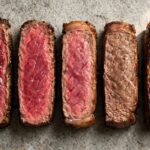
Use these pull temperatures as a reliable guide during cooking. Rare steak pulls at about 120 to 125 degrees Fahrenheit. Medium-rare steak pulls at about 130 to 135 degrees Fahrenheit. Medium steak pulls at about 135 to 145 degrees Fahrenheit.
Medium-well steak pulls at about 145 to 155 degrees Fahrenheit. Well-done steak pulls at 155 degrees Fahrenheit or higher. Additionally, the USDA minimum internal temperature for steak is 145 degrees Fahrenheit. Finally, rest every steak after cooking for the safest, juiciest result.
Skillet Steak Cooking Time Adjustments for Different Cuts
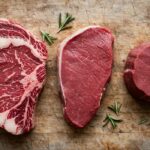
Ribeye cooks quickly because intramuscular fat renders during high heat searing. Similarly, strip steak sears evenly thanks to its uniform thickness. However, filet mignon needs careful timing because it dries out easily. Consequently, pull filet slightly early and rest it fully before slicing.
Build a Golden Crust with Skillet Steak Cooking Times
A great crust starts with a dry surface and very high heat. First, lay steak away from your body to reduce splatter. Next, press steak lightly so the full surface contacts the pan.
Additionally, leave steak undisturbed during the first sear for browning. Finally, lift one corner briefly to check crust color.
Butter Basting Adds Richness
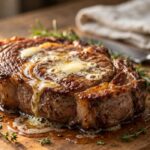
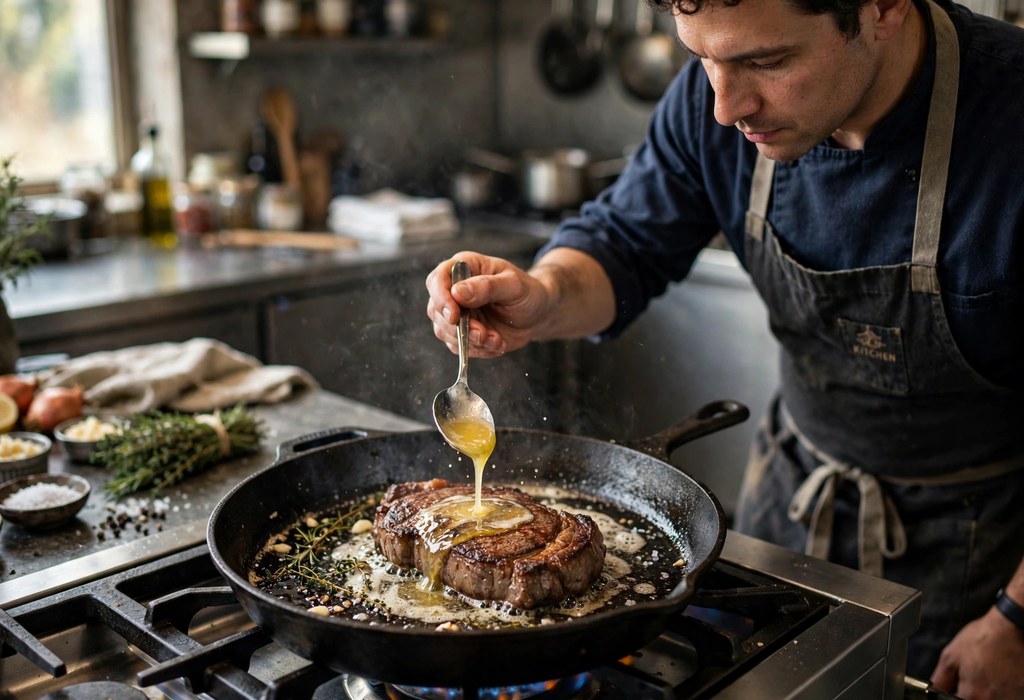
Butter basting spoons hot butter over steak during the final cooking minutes. First, add butter after the second flip for best flavor. Next, tilt the pan slightly and spoon butter continuously over steak.
Additionally, add garlic and thyme with butter for aromatic depth. Finally, baste for about one minute before removing steak.
- Butter timing: Add butter during the final minute of cooking. Additionally, butter adds richness without softening the crisp crust.
- Spoon technique: Tilt the pan and spoon butter steadily over steak. Furthermore, steady basting cooks the top gently and evenly.
Manage Smoke and Splatter During Skillet Steak Cooking
High heat searing creates smoke, so ventilate the kitchen before cooking starts. First, turn on the range hood at its highest setting. Next, open a nearby window for extra airflow during searing.
Additionally, choose oil with a high smoke point for cleaner cooking. Finally, keep paper towels nearby for quick splatter cleanup.
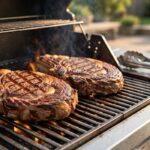
If you later cook outdoors, check the steak grilling time chart for outdoor timing guidance. Meanwhile, keep stovetop timing separate because grills heat steak differently. Additionally, outdoor heat varies with wind and grate distance.
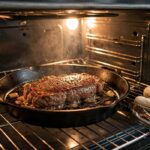
For thick steaks, review the steak cooking time chart for the oven as a reference. Additionally, pan searing still creates the crust before any gentle finish. Furthermore, a thermometer guides both stages accurately every time.
Rest and Slice for Juiciness After Skillet Steak Cooking Times
Resting lets juices redistribute and lets temperature rise slightly after cooking. For example, carryover heat typically raises temperature by three to five degrees. Additionally, resting for five to ten minutes suits most steaks well. Therefore, tent steak loosely and wait before slicing into it.
Frequently Asked Questions
How hot should a skillet be for steak?
Heat the skillet until oil shimmers lightly and a water droplet dances briefly.
How long do you pan sear a one-inch steak?
Sear a one-inch steak for about three to four minutes per side for medium-rare.
Should you use oil or butter first when searing steak?
Use high smoke point oil first, then add butter later for basting flavor.
How do you keep steak from sticking to the pan?
Preheat a heavy pan fully, dry the steak well, and add oil before steak.
How long should pan-seared steak rest before slicing?
Rest pan-seared steak for five to ten minutes before slicing and serving.
Conclusion
Pan-seared steak rewards preparation, high heat, and careful timing every time. First, choose a heavy skillet and preheat it thoroughly before cooking. Next, sear steak confidently, baste with butter, and check temperature accurately. Finally, rest steak fully and slice it against the grain.
Now heat your skillet, season your steak, and cook with confidence tonight. Additionally, share this method with a friend who loves great steak. Therefore, start with one steak, master the timing, and enjoy a golden crust.