
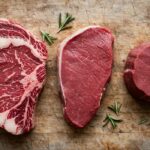






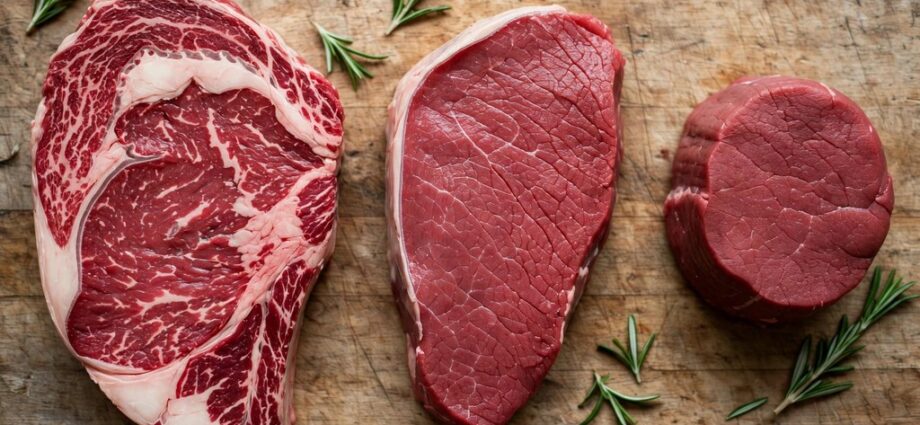
Ribeye wins for rich flavor, filet mignon wins for tenderness, and sirloin wins for everyday value. Ribeye carries heavy marbling, so it tastes buttery and juicy after a hot sear. Filet mignon stays extremely tender, however it offers a milder flavor than the other cuts.
Sirloin sits between the two cuts for tenderness and flavor in the steak cooking chart. It costs less than ribeye and filet mignon in most cases. Therefore your best choice depends on your budget, your flavor preference, and your cooking method. Finally, this guide compares all three cuts side by side for a clear decision.
Ribeye Sirloin Filet Mignon Tenderness Compared
Filet mignon ranks as the most tender steak of the three cuts. It comes from a muscle that does very little work during movement. Therefore it feels soft, smooth, and almost buttery when you slice it. Ribeye follows next for tenderness, however its texture feels slightly firmer and more varied.
Sirloin feels firmer than both ribeye and filet mignon overall. Its muscle works harder, so its fibers stay denser and more structured. Nevertheless proper slicing against the grain improves its tenderness noticeably. Additionally a short rest after cooking keeps its juices inside the meat.
Tenderness also changes with thickness and cooking control. In addition, a thick filet mignon forgives small timing errors better than thin cuts. Meanwhile a thin sirloin can turn tough quickly under high heat. Consequently you should match your cooking care to each cut.
Ribeye Sirloin Filet Mignon Marbling and Flavor
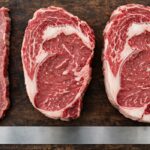
Ribeye leads clearly for marbling and rich beef flavor. Thin streaks of fat run through the meat and melt during cooking. As a result the steak tastes juicy, savory, and deeply beefy throughout. Filet mignon, by contrast, contains very little visible fat inside the meat.
Sirloin offers moderate marbling and a straightforward beef taste. Moreover, it delivers more flavor than filet mignon in most comparisons. However it never reaches the buttery richness of a well marbled ribeye. Therefore sirloin suits cooks who want balance rather than extreme richness.
Fat also affects how each steak handles heat and seasoning. Ribeye fat bastes the meat naturally as it renders in the pan. Filet mignon needs added fat, for example butter or oil, for richer flavor. Similarly sirloin benefits from a bold rub or a simple pan sauce.
Ribeye Sirloin Filet Mignon Thickness and Shape
Ribeye and sirloin often arrive as wide, flat steaks with even thickness. Thicker steaks need more time, so check the steak cooking times by thickness before cooking. By contrast, filet mignon usually comes as a thick, round medallion instead. Its compact shape cooks evenly, however its center heats more slowly.
Thickness matters because heat must reach the center without overcooking the outside. A steak near one inch thick sears quickly and evenly. Meanwhile a steak near two inches thick needs gentler heat after searing. Consequently thick cuts reward patience and careful temperature checks.
Shape also changes how you handle each steak in the pan. Ribeye spreads wide, so it needs a pan large enough for full contact. Sirloin holds a fairly even shape, therefore it sears predictably across the surface. Filet mignon stands tall, so you may sear its sides briefly too.
Best Cooking Approach for Ribeye Sirloin Filet Mignon
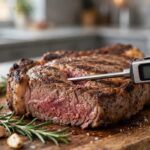
First, all three cuts share the same safe minimum internal temperature. Cook each steak to at least 145 degrees Fahrenheit, then rest it briefly. For exact pull temperatures, check the steak doneness temperature chart during your cook. Remember carryover heat typically adds three to five degrees after cooking.
Typical pull temperatures guide rare, medium rare, and higher doneness levels. Rare usually pulls near 120 to 125 degrees Fahrenheit for a cool center. Medium rare pulls near 130 to 135 degrees, while medium reaches 135 to 145 degrees. Medium well pulls near 145 to 155 degrees, and well done exceeds 155 degrees.
Cooking Ribeye
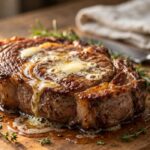
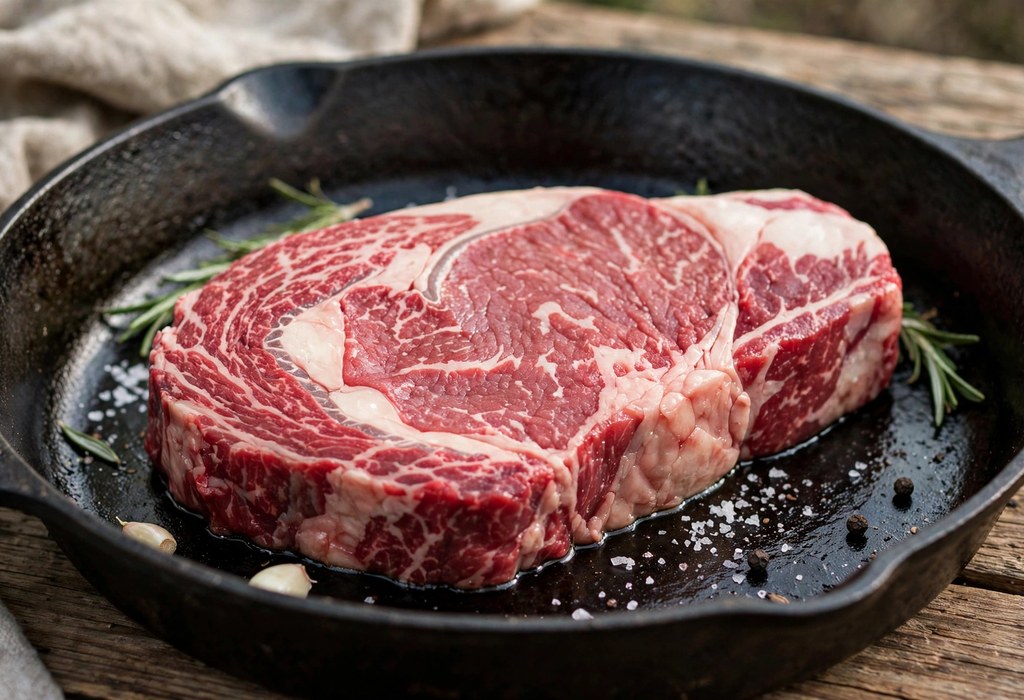
Ribeye shines with a hard, fast sear over high heat. Its marbling melts quickly and creates a crisp, flavorful crust. Additionally the rendered fat keeps the interior juicy during cooking. Finally, rest the steak for five to ten minutes before slicing it.
Cooking Sirloin
Sirloin needs a hot sear plus close attention to timing. Its leaner meat dries out quickly when you cook it too long. Therefore pull it early and let carryover heat finish the job. In addition, a five to ten minute rest protects its juices well.
Cooking Filet Mignon
Filet mignon benefits from a gentle sear and careful temperature control. Butter basting suits its mild flavor, and the steak cooking chart helps plan the cook. However, avoid overcooking it because its lean meat turns dry beyond medium. Rest it for five to ten minutes, then slice it thickly.
How to Choose Between Ribeye Sirloin Filet Mignon
Choose ribeye when flavor matters most and richness sounds appealing. Pick filet mignon when tenderness matters most for a special meal. Save sirloin for weeknight meals with solid flavor and a friendlier price. Therefore, let your occasion, budget, and taste preference guide the final call.
- Flavor first: Pick ribeye for a rich, juicy steak. Moreover, it rewards bold seasoning and high heat.
- Tenderness first: Pick filet mignon for the softest bite. It suits special dinners and gentle cooking.
- Value first: Pick sirloin for everyday meals and balanced flavor. In addition, it cooks quickly and slices easily.
- Crowd pleasing: Pick ribeye or sirloin for varied tastes. Filet mignon suits guests who prefer mild flavor.
Think about your cooking setup before you buy any cut. A thick filet mignon needs patience, while a thin sirloin needs speed. Additionally consider your side dishes, since rich ribeye pairs with lighter sides. Finally trust your own taste, because the best steak fits your meal.
Frequently Asked Questions
Which Steak Is Most Tender?
Filet mignon is the most tender cut because its muscle does very little work.
Which Steak Has the Most Flavor?
Ribeye has the most flavor thanks to its heavy marbling and rendered fat.
Which Cut Is Best for Beginners?
Sirloin suits beginners best because it cooks quickly and costs less.
Should I Choose Ribeye or Sirloin for Weeknights?
Sirloin works better for weeknights because it cooks fast and tastes balanced.
How Thick Should Each Steak Be?
Aim for steaks about one to one and a half inches thick.
Conclusion
Ribeye, sirloin, and filet mignon each shine in a different way. Ribeye brings flavor, filet mignon brings tenderness, and sirloin brings value. Next, pick the cut that matches your meal, then cook it with confidence. Start tonight by choosing one cut and trying the approach above.