







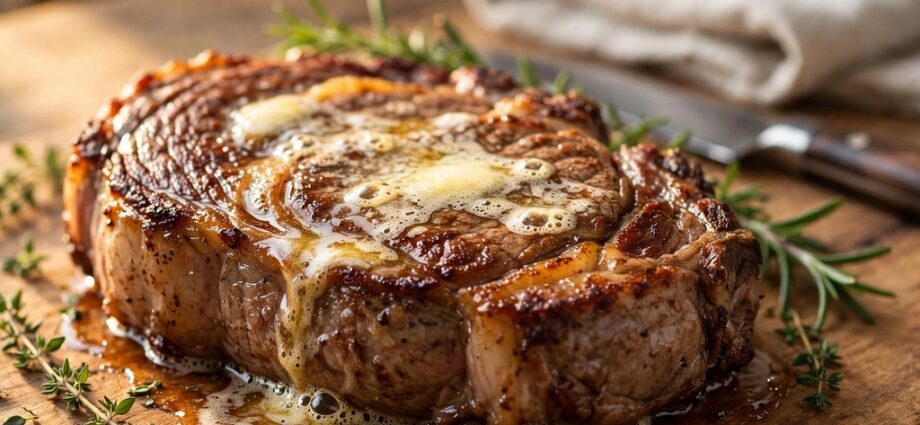
Plan how long to rest steak: five to ten minutes works for most steaks before slicing. Thicker cuts need closer to ten minutes for even juice distribution. Shorter rests keep thinner steaks warm without cooling them too much.
Resting lets heat move from the outer layers toward the center. Additionally, muscle fibers relax during this pause and release less juice. Therefore, each slice stays tender, moist, and full of flavor. Meanwhile, carryover cooking raises the internal temperature by a few degrees.
First, plan the rest into your cooking time from the start. Next, pull the steak slightly before it reaches your target doneness. Finally, let it sit undisturbed while you prepare plates and sides.
Why Resting Makes Steak Juicier and How Long to Rest Steak
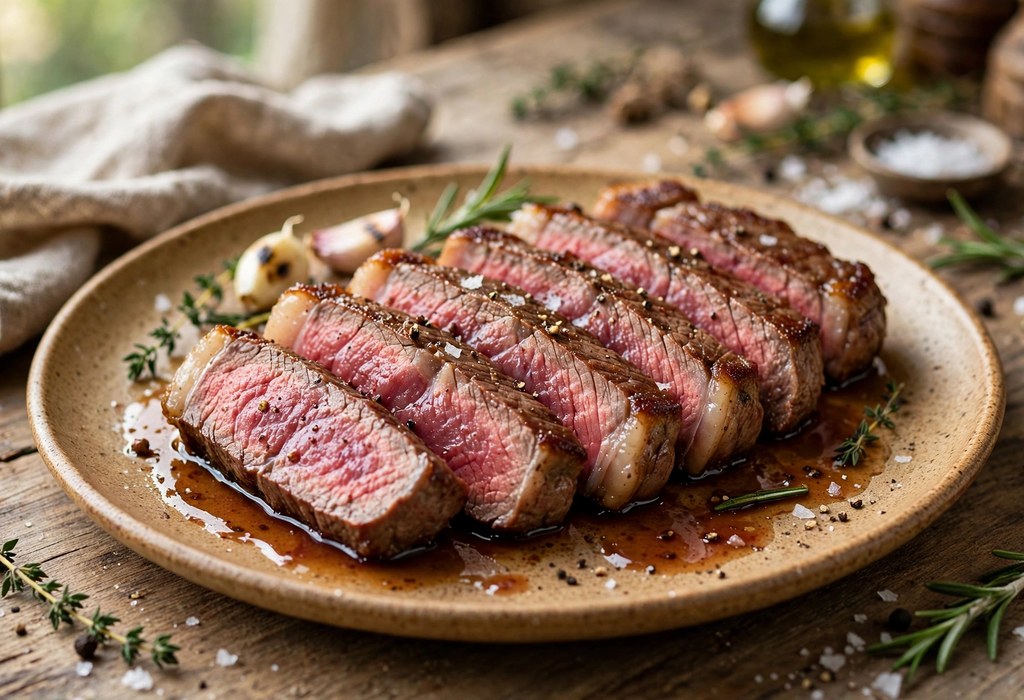
Heat tightens muscle fibers during cooking and squeezes juice toward the center. Cutting too soon lets that juice escape onto the cutting board. Resting gives fibers time to relax and reabsorb moisture more evenly. As a result, slices stay juicy instead of drying out when you follow the steak cooking chart.
Resting also improves texture across the whole steak. For example, the outer layers cool slightly while the center finishes cooking. Consequently, each bite feels more even and tender. Moreover, rested steak holds its juices when you slice it.
Resting also makes seasoning flavors taste more balanced. For example, salt and rendered fat distribute more evenly during rest. Similarly, rested slices show a more even color from edge to center. Finally, the steak feels less rushed and more carefully prepared.
How Long Should Steak Rest?
Rest thin steaks for about five minutes after cooking. Rest steaks around one inch thick for five to eight minutes. Check the steak cooking chart for doneness targets before you plan the rest period. Thick steaks benefit from a full ten minutes of rest.
Large roasts rest longer, but individual steaks rarely need extra time. Additionally, a longer rest can cool a thin steak too much. Therefore, match the rest to thickness rather than weight alone. Keep the steak in a warm spot during the rest.
How Long to Rest Steak by Thickness
- Thin steaks under one inch: Rest them for five minutes before slicing. Additionally, serve them promptly to keep them warm.
- Steaks about one inch thick: Rest them for six to eight minutes. Furthermore, check firmness gently without cutting into the meat.
- Thick steaks over one inch: Rest them for eight to ten minutes. Consequently, carryover heat finishes the center gently.
- Extra thick steaks: Rest them for ten minutes and check temperature before slicing. Moreover, keep them tented loosely during the whole rest.
Carryover Cooking and Pull Temperatures
Carryover cooking continues after steak leaves the heat source. Residual heat moves inward and raises the internal temperature further. For example, most steaks rise three to five degrees during rest. Thick cuts may rise slightly more because they hold more heat.
Pull steak a few degrees below your target doneness. Consult the steak doneness temperature chart when you plan pull temperatures for different doneness levels. Rare steaks often pull near 120 to 125 degrees Fahrenheit. Medium-rare steaks often pull near 130 to 135 degrees Fahrenheit.
Medium steaks often pull near 135 to 145 degrees Fahrenheit. Medium-well steaks often pull near 145 to 155 degrees Fahrenheit. Well-done steaks reach 155 degrees Fahrenheit or higher. The USDA recommends a minimum internal temperature of 145 degrees Fahrenheit plus a rest.
Tenting Versus Covering
Loose tenting with foil keeps heat in without trapping too much steam. However, tight wrapping softens a crisp sear quickly. Therefore, tent foil loosely and leave gaps for steam to escape. Meanwhile, a warm plate helps maintain serving temperature.
Do not cover steak with a tight lid during rest. For example, trapped steam can make the crust soggy. Instead, rest steak on a warm cutting board or plate. Additionally, keep it away from cold drafts and surfaces.
How to Rest Steak Step by Step
First, transfer steak from heat to a warm plate. Next, insert a thermometer into the thickest part if needed. Then, tent foil loosely over the steak without sealing edges. Finally, set a timer and let the steak rest undisturbed.
Use the rest time to finish sides and warm plates. Moreover, avoid slicing test pieces during the rest period. Early cuts release juices and reduce moisture in later slices. Consequently, patience during rest protects flavor and texture.
Slicing After Resting
Slice steak only after the full rest period ends. Cut against the grain for shorter fibers and tender bites. For example, look for lines in the meat and cut across them. Additionally, use a sharp knife for clean, even slices.
Thick slices stay warmer than very thin slices. Keep a printable steak cooking chart nearby to record rest times for future meals. Serve slices promptly after cutting to preserve warmth. Furthermore, spoon any board juices over the sliced steak.
Arrange slices slightly overlapping on a warm platter. Moreover, pour collected juices over slices before serving. Finally, serve side dishes promptly so steak stays warm. As a result, the meal feels complete and satisfying.
Common Mistakes About How Long to Rest Steak
Skipping rest ranks among the most common steak mistakes. Cutting early drains juices and leaves drier slices behind. Similarly, resting on a cold surface cools steak too fast. Therefore, warm the resting plate before you transfer steak.
Resting too long also creates a problem for thin steaks. Thin steaks cool quickly and lose serving warmth during long rests. Consequently, keep thin steak rests short and purposeful. In addition, tent thin steaks loosely to retain warmth.
Frequently Asked Questions
How Long Should Steak Rest After Cooking?
Rest most steaks for five to ten minutes after cooking.
Does Steak Continue Cooking While Resting?
Yes, carryover heat typically raises internal temperature by three to five degrees.
Should You Cover Steak While It Rests?
Tent foil loosely over steak to retain warmth without softening the crust.
What Happens If You Cut Steak Too Soon?
Juices escape onto the board, so slices turn drier and less flavorful.
How Do You Know When Resting Ends?
Use a timer and slice only after the planned rest period ends.
Conclusion
Resting transforms good steak into juicy, tender steak. Plan five to ten minutes of rest for most cuts. Pull steak early, tent it loosely, and wait patiently. Consequently, every slice delivers moisture, tenderness, and rich flavor.
Try this rest method with your next steak tonight. First, choose your target doneness and pull temperature. Next, time the rest carefully and slice against the grain. Finally, share your juiciest result with fellow steak lovers.