




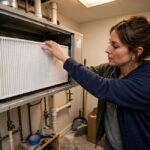
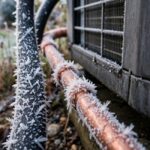
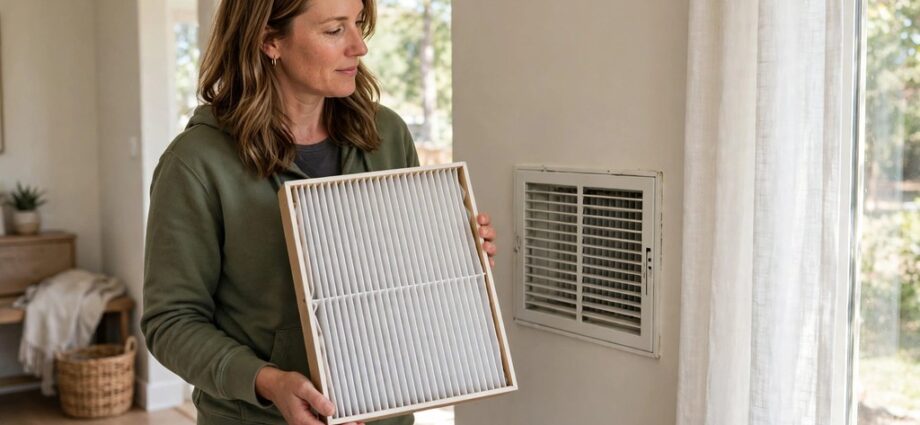
A complete hvac maintenance checklist helps homeowners prepare heating and cooling systems each season. Additionally, simple routine checks protect comfort, airflow, and equipment life throughout the year. For example, filter care and outdoor cleaning prevent many common performance problems.
Also, homeowners can handle several visual checks and cleaning tasks safely themselves. Meanwhile, certified technicians handle refrigerant and detailed electrical testing during tune-ups. Therefore, this seasonal guide separates homeowner tasks from professional tune-up knowledge clearly. Guides explaining an hvac contractor role also describe certification, safety controls, and testing knowledge.
Next, each season brings different demands for cooling and heating equipment. Still, a consistent routine keeps small issues visible before they affect daily comfort.
Spring HVAC Maintenance Checklist Steps
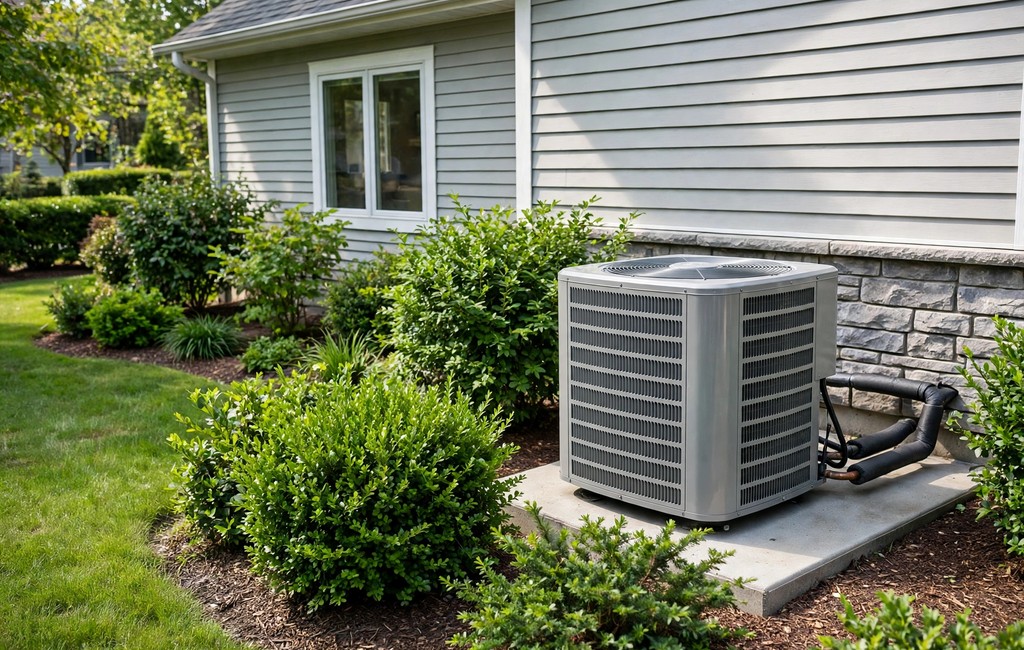
Spring preparation restores cooling performance after months of quiet winter operation. Additionally, early checks reveal winter damage before hot weather increases system demand. For example, homeowners can clear debris and test cooling before summer heat arrives.
- Power safety: Also, turn system power off before cleaning any outdoor component.
- Cooling test: Next, run cooling briefly and note weak airflow or warm air.
- Vent check: Additionally, open supply vents and remove dust from register covers.
- Drain check: Finally, pour clean water through the condensate drain and watch flow.
HVAC Maintenance Checklist for Filters
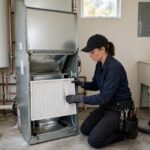
Clean filters support strong airflow and protect indoor equipment from dust buildup. Homeowners learning how often to change hvac filter schedules often match replacement timing to household conditions. Therefore, busy homes with pets usually need more frequent filter attention.
- Monthly inspection: Also, hold each filter toward light and check visible dust.
- Replacement rhythm: Typically, households replace standard filters every one to three months.
- Correct fit: Next, match arrow direction and size markings with the old filter.
- Condition notes: Finally, record replacement dates and note unusual dust or odors.
HVAC Maintenance for Outdoor Units
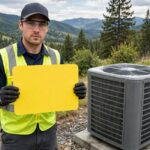
Outdoor condensers need open space and clean surfaces for efficient heat release. Additionally, keeping about two feet of clearance around the condenser helps airflow. In contrast, shrubs and stored items trap heat and restrict air movement.
- Debris removal: Also, clear leaves, grass clippings, and twigs from the unit.
- Coil rinsing: Next, spray outdoor coils gently with a garden hose from outside.
- Fence clearance: Still, keep fences and plantings outside the recommended clearance zone.
- Fin care: Finally, straighten only accessible bent fins carefully with a fin comb.
Thermostat, Vents, and Registers
Thermostat checks confirm the system responds accurately to temperature settings each season. For example, weak batteries often cause blank screens or inconsistent temperature readings. Similarly, closed vents create pressure and reduce comfort in distant rooms.
- Battery swap: Also, replace thermostat batteries yearly or whenever the warning appears.
- Screen test: Next, adjust temperature settings and confirm the system starts promptly.
- Register opening: Additionally, open registers fully and vacuum dust from each cover.
- Furniture placement: Finally, move furniture away from registers and return air grilles.
Fall HVAC Maintenance Checklist Steps
Fall preparation shifts attention from cooling coils toward burners, blowers, and airflow. However, heating systems still need clean filters and open vents for balanced warmth. Over time, early fall checks prevent rushed decisions during the first cold snap.
- Heating test: Also, run heating briefly in fall and note delayed ignition sounds.
- Flue view: Next, inspect visible flue sections for rust, gaps, or loose joints.
- Detector check: Additionally, test smoke and carbon monoxide detectors near sleeping areas.
- Supply stock: Finally, store spare filters and batteries in one dry location.
Condensate Drain and Ductwork Checks
Condensate drains remove moisture that cooling coils collect during humid weather operation. A clogged condensate drain can trigger a safety float switch that shuts the system down. Homeowners researching hvac duct cleaning basics also learn how visible duct damage affects airflow.
- Drain flushing: Also, flush the drain line with clean water during spring checks.
- Pan inspection: Next, inspect the drain pan for standing water or slime.
- Duct viewing: Additionally, inspect visible ductwork for damage or disconnected sections carefully.
- Seal spotting: Finally, look for dust streaks near joints that signal air leaks.
Listening for Unusual Noises
Healthy systems produce steady, familiar sounds during startup, operation, and shutdown cycles. In contrast, grinding or rattling often signals loose parts or worn components. Therefore, homeowners should note new noises and record when each sound occurs.
- Startup sounds: Also, listen during startup for clicks, hums, or repeated attempts.
- Running sounds: Next, note banging, squealing, or buzzing during steady operation.
- Shutdown sounds: Additionally, track sounds after shutdown because lingering noises reveal patterns.
- Location notes: Finally, record the room or component nearest each unusual sound.
HVAC Maintenance Checklist for Professional Tune-Ups
Annual tune-ups cover cooling once yearly and heating once yearly for many systems. Heat pumps often combine both checks into one annual visit each year.
Technicians check electrical connections, measure voltage, and test safety controls carefully. Additionally, technicians clean coils and verify refrigerant levels using specialized equipment. Federal law requires EPA Section 608 certification for technicians handling refrigerant.
- Electrical checks: Also, technicians tighten connections and inspect wires for visible damage.
- Coil cleaning: Next, technicians clean indoor and outdoor coils for better heat transfer.
- Refrigerant verification: Additionally, certified technicians verify refrigerant levels and inspect for leaks.
- Safety controls: Finally, technicians test safety controls, drains, and system starting cycles.
Building Your HVAC Maintenance Checklist Routine
A written routine turns scattered tasks into one repeatable seasonal habit. For example, homeowners can pair filter checks with monthly utility bill reviews. Over time, dated notes reveal patterns in dust, noise, and temperature balance. Finally, review your HVAC maintenance checklist each season and adjust dates as needed.
- Calendar reminders: Also, set seasonal reminders for spring and fall preparation tasks.
- Task grouping: Next, group indoor checks together and finish outdoor checks separately.
- Record keeping: Additionally, save filter sizes, battery types, and service notes together.
- Season review: Finally, review notes each season and adjust timing for household conditions.
Frequently Asked Questions
How often should homeowners replace a standard HVAC filter?
In practice, most households replace standard filters every one to three months.
How much clearance does an outdoor condenser need?
In practice, homeowners keep about two feet of clearance around the outdoor condenser.
What happens when a condensate drain line clogs?
As a result, a clogged drain can trigger a safety float switch that shuts the system down.
Why does a system make grinding or rattling noises?
Similarly, grinding or rattling often signals loose parts, worn components, or debris inside equipment.
What does a professional HVAC tune-up usually include?
For example, a tune-up includes electrical checks, coil cleaning, refrigerant verification, and safety testing.
Conclusion
A steady seasonal routine protects comfort, airflow, and equipment life all year. Additionally, simple checks help homeowners spot small changes before they grow larger. Finally, use this checklist each spring and fall to inspect every system area.
Check filters, vents, drains, and outdoor clearance on a regular seasonal schedule. Also, learn your thermostat, duct layout, and normal system sounds over time. Maintain written notes, compare each season, and inspect new changes promptly. Overall, this HVAC maintenance checklist keeps every seasonal task visible and simple. In practice, a written HVAC maintenance checklist prevents skipped filters and vents.