








A ductless mini split system heats and cools individual rooms efficiently without using any ductwork at all. It moves heat with refrigerant between indoor and outdoor units instead of generating heat directly inside. Therefore, each indoor handler delivers targeted comfort and steady temperatures for its assigned room or area. Homeowners therefore learn basics before discussing options with an hvac contractor during planning. For example, homeowners control one handler for one bedroom without affecting other rooms nearby.
An outdoor compressor unit connects to indoor handlers through one small opening in the wall. Additionally, inverter technology varies compressor speed to match changing demand inside the home throughout the day. This system also reverses operation to provide heating during winter and cooling during summer months.
The Main Parts of a Mini Split System

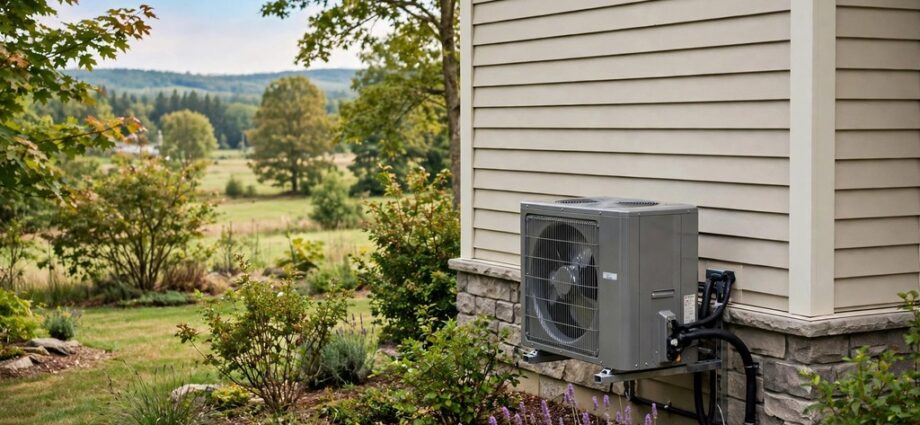
The outdoor unit houses the compressor and a fan on the exterior wall. Additionally, the compressor pressurizes refrigerant and sends it toward the indoor handlers. The unit also rejects absorbed heat outdoors during cooling operation each day.
Each indoor handler mounts high on a wall or near the ceiling. Inside, a coil and blower move conditioned air directly into the room. Handlers also include filters that capture dust before air circulates again. For example, a bedroom handler runs quietly and independently from living areas.
- Refrigerant lines: Carry refrigerant between outdoor and indoor units during operation.
- Power cable: Supplies electricity and also carries communication signals between units.
- Condensate drain: Removes moisture that handlers collect from indoor air during cooling.
- Small wall opening: Measures about three inches and holds the full conduit bundle.
How a Ductless Mini Split Moves Heat
The cycle starts when refrigerant absorbs heat at the indoor coil. Next, the compressor raises refrigerant pressure and temperature before circulation continues. The hot refrigerant also releases heat at the outdoor coil outside.
An expansion device lowers refrigerant pressure before the cycle repeats again. Therefore, refrigerant circulates continuously and carries heat from indoors to outdoors. This process also explains why mini splits move heat rather than create heat.
Heat moves through refrigerant rather than through long air ducts inside walls. Similarly, short refrigerant paths connect each handler directly to the outdoor unit. This direct path also reduces opportunities for conditioned air to leak away.
Ductless Mini Split Inverter Compressors Explained
Traditional compressors cycle fully on and fully off to maintain set temperatures. In contrast, inverter compressors vary speed smoothly across a wide operating range. They also ramp upward quickly when rooms need rapid heating or cooling.
A slower compressor maintains temperature with smaller swings throughout the day. As a result, rooms feel steadier and systems avoid repeated startup surges. Additionally, matching output to load reduces wasted energy during mild weather. Many models also carry SEER2 ratings well above federal minimums for central systems.
Inverter systems still respond quickly when outdoor temperatures change during the day. For example, a compressor speeds up after occupants open sun facing windows. It also slows down again once each room reaches its set temperature.
How the System Reverses for Heating
A reversing valve changes refrigerant direction inside the sealed system when needed. In heating mode, the outdoor coil absorbs heat from outside air instead. Meanwhile, the indoor coil releases that captured heat into the room.
Readers exploring heat pump vs furnace comparisons also notice mini splits reverse rather than switch systems. The same equipment therefore provides cooling in summer and heating in winter. However, output still depends on outdoor conditions and correct system sizing.
Zoning With Single and Multi Zone Layouts
Zoning means each handler controls temperature for one room or area. Occupants therefore set a bedroom cooler than a sunny kitchen during afternoons. Additionally, handlers operate independently and respond only when their zone needs conditioning.
A single zone layout pairs one outdoor unit with one indoor handler. In contrast, a multi zone layout connects several handlers to one outdoor unit. Each handler still keeps its own temperature setting and remote control.
Occupants also explore smart thermostat hvac controls to coordinate schedules across different zones. Some handlers also accept wireless controls and occupancy based schedule adjustments. In practice, zoning directs conditioning toward occupied rooms and away from empty spaces.
Where Mini Split Systems Fit Best
Mini splits suit homes without ducts because handlers deliver air directly indoors. Additionally, systems avoid duct losses that ENERGY STAR estimates at about 20 to 30 percent. Homeowners also choose them for targeted rooms that central systems serve poorly.
For example, additions and converted garages often lack connections to existing ductwork. Similarly, sunrooms and home offices benefit from independent temperature control throughout changing seasons. Over time, flexible placement also helps older homes keep their existing interior structure intact.
What Installation Involves at a Knowledge Level
Installation starts with mounting handlers and placing the outdoor unit carefully. Technicians next drill the small wall opening and route the conduit bundle. They also connect refrigerant lines, power wiring, and the condensate drain securely.
Crews then evacuate air and moisture by vacuuming the refrigerant lines thoroughly. Finally, certified technicians handle refrigerant charging because EPA Section 608 certification governs it.
Technicians also test handler airflow and verify condensate drainage after startup checks. They check refrigerant connections carefully and confirm each handler responds to controls. In practice, careful testing confirms the sealed system operates as designed initially.
Frequently Asked Questions
How does a ductless mini split system work?
It also moves heat with refrigerant between outdoor and indoor units to heat or cool rooms.
Can a ductless mini split heat a home in winter?
Yes, its reversing valve redirects refrigerant flow and therefore brings outdoor heat indoors during winter.
How many indoor handlers can one outdoor unit support?
One outdoor unit also supports several handlers in multi zone layouts, depending on system design.
Do mini splits need ducts or large wall openings?
No, handlers connect through one small opening and therefore need no ducts at all.
Who should handle refrigerant lines during installation?
Finally, certified technicians handle refrigerant work because EPA Section 608 certification covers refrigerant handling requirements.
Conclusion
A ductless mini split system links outdoor and indoor units without ductwork. It also moves heat, reverses for heating, and supports true room zoning. Therefore, understanding its parts and cycle clarifies where the technology fits best.
Readers can inspect wall space and room layouts before comparing system options. Additionally, learn how handlers, line sets, and controls work together before deciding. Maintain filters and check condensate drainage regularly to support steady operation over time.