










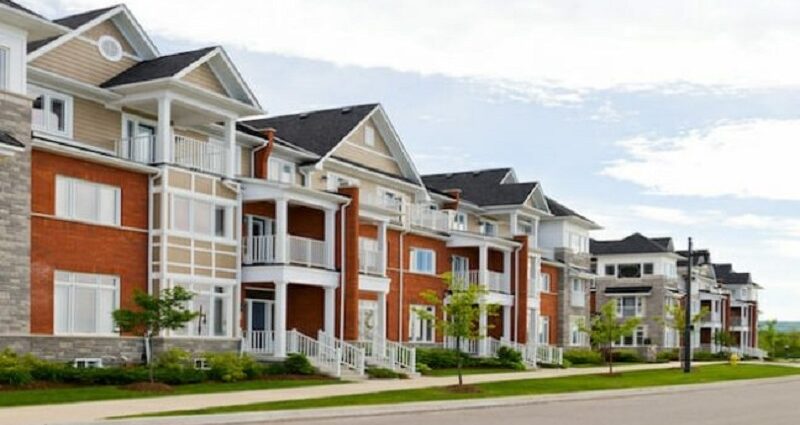
Welcome to our comprehensive guide on PUDs in real estate. If you’ve been exploring the world of real estate, you may have come across the term “PUD” and wondered, “What is a PUD in real estate?” Well, you’re in the right place! In this article, we’ll delve into the intriguing realm of Planned Unit Developments (PUDs) and uncover their hidden gems. Whether you’re a first-time homebuyer or an experienced investor, understanding the pros and cons of PUDs can be a game-changer in your real estate ventures. Join us as we navigate the captivating nuances of PUDs, shedding light on their benefits, potential drawbacks, and how they can shape your next real estate endeavor. So, let’s dive in and explore the fascinating world of PUDs together!
Pros of PUDs
Flexible design options
One of the major advantages of PUDs for rental property business is the flexibility they offer in terms of design. Unlike traditional housing developments, PUDs allow homeowners to customize their units according to their preferences and needs. Whether choosing specific finishes or making structural modifications, homeowners can create a space that truly reflects their personality. Additionally, PUDs often feature a variety of architectural styles, providing a diverse and aesthetically pleasing community.
Amenities and common areas
PUDs are known for their extensive amenities and well-maintained common areas. Homeowners can enjoy access to various facilities such as community pools, parks, playgrounds, and fitness centers. These amenities enhance the overall quality of life within the community, promoting a healthy and active lifestyle. Whether it’s taking a refreshing dip in the pool or hosting social gatherings in the clubhouse, PUD residents have a range of recreational options right at their doorstep.
Enhanced sense of community
One of the standout features of PUDs is the strong sense of community they foster. With shared spaces and amenities, residents can interact with their neighbors and build meaningful connections. Community events, such as holiday parties or neighborhood picnics, further promote social engagement and create a sense of belonging. Additionally, PUD residents often share the responsibility of maintaining the common areas, fostering a collective ownership mindset and strengthening the overall community spirit.
Maintenance and landscaping services
PUDs typically have a homeowner’s association (HOA) that takes care of the maintenance and landscaping of common areas. This relieves homeowners of the burden of individual upkeep, such as mowing lawns or maintaining shared facilities. The HOA ensures that the community remains well-maintained, creating an aesthetically pleasing environment for all residents to enjoy. This convenience allows homeowners to focus on other aspects of their lives while still enjoying a beautiful and well-kept neighborhood.

Cons of PUDs
Homeowner’s Association (HOA) fees
While PUDs offer numerous benefits, it’s important to consider the financial aspects, particularly the homeowner’s association fees. Homeowners are required to pay monthly or annual fees to the HOA, which contribute to the maintenance and management of the community. It’s crucial for potential buyers to fully understand the financial obligations associated with these fees, including any potential increases over time. Assessing one’s budget and financial capabilities is essential to ensure long-term affordability.
Rules and regulations
Living in a PUD means adhering to certain rules and regulations set by the homeowner’s association. These rules may include restrictions on property use, such as limitations on running a home business or renting out units. Additionally, homeowners must comply with architectural guidelines to maintain the overall aesthetics of the community. It’s important to thoroughly review and understand these rules before committing to a PUD to ensure they align with one’s lifestyle and preferences.
Lack of privacy
One aspect that some individuals may find challenging in PUDs is the proximity to neighbors. Living in close quarters with shared walls or nearby units means reduced privacy compared to single-family homes. Noise and privacy concerns can arise, especially in shared spaces such as community areas or parking lots. Prospective homebuyers who value solitude and a higher degree of privacy should consider whether a PUD suits their preferences and comfort levels.
Potential for disputes and conflicts
Living within a homeowner’s association community can sometimes lead to disputes and conflicts. Homeowners may have differing opinions or disagreements with HOA policies, which can create tension. Additionally, conflicts may arise between neighbors over shared resources or issues related to maintenance and community responsibilities. It’s important for homeowners to be aware of the potential for such situations and consider their ability to navigate and resolve conflicts effectively.
Financial Considerations
Mortgage options for PUDs
When financing a PUD purchase, it’s essential to understand the available mortgage options. Homebuyers can choose between conventional loans and Federal Housing Administration (FHA) loans. Each option has its own eligibility criteria and requirements, including down payment percentages and credit score considerations. Exploring these financing avenues and determining the most suitable option is crucial to secure favorable terms and conditions.
Resale value and marketability
PUDs’ resale value and marketability are important factors to consider for potential buyers. The affordability of a property is influenced by the HOA fees and the value they bring to the community. Higher HOA fees may impact affordability for some buyers. Additionally, it’s essential to assess the demand for PUD properties in the market. Factors such as location, amenities, and overall market conditions can influence the ease of selling a PUD property in the future.
Legal and Governance Aspects
Understanding the PUD declaration
To fully comprehend the legal and governance aspects of PUDs, homeowners need to understand the PUD declaration. This document outlines the rights and obligations of homeowners within the community. It also describes the governance structure, including the roles of the homeowner’s association, board of directors, and decision-making processes. Familiarizing oneself with these aspects is crucial for homeowners to participate effectively in the community’s governance and decision-making processes.
HOA governance and membership
The homeowner’s association plays a significant role in the governance of a PUD. Homeowners should be aware of the board of directors and how they are elected. Understanding the opportunities for homeowner participation, such as attending meetings, joining committees, or running for board positions, allows residents to actively contribute to the decision-making process and influence the community’s direction.
Evaluating PUDs
Location and surrounding amenities
When considering a PUD, evaluating its location and surrounding amenities is essential. Assessing the accessibility to schools, shops, services, and transportation options is crucial to meet one’s daily needs conveniently. Proximity to major thoroughfares ensures ease of commuting and accessibility to other parts of the city or region. Considering these factors helps determine whether a PUD’s location aligns with one’s lifestyle and requirements.
Reviewing the HOA documents
Thoroughly reviewing the homeowner’s association documents is vital before committing to a PUD. These documents, including covenants, conditions, and restrictions (CC&Rs), as well as bylaws and rules and regulations, provide detailed information about the community’s regulations, rights, and responsibilities. Understanding these documents ensures alignment with the community’s expectations and helps avoid any surprises or conflicts down the line.
Case Studies: Success Stories and Challenges
Highlighting successful PUD communities
Examining successful PUD communities can provide valuable insights into the benefits and potential of such developments. Highlighting positive experiences shared by homeowners within these communities can showcase the advantages and success stories. Additionally, exploring notable features and achievements of successful PUDs can serve as inspiration for future developments and inform potential homebuyers about what to look for in a well-executed PUD.
Examining challenges faced by PUDs
It’s equally important to examine the challenges faced by PUDs to gain a holistic understanding of this housing option. Legal disputes and litigation can arise due to disagreements over various aspects, such as HOA policies or property rights. Financial struggles and mismanagement within the homeowner’s association can also pose challenges to the overall well-being of a PUD. Examining these challenges provides a realistic perspective on the potential risks and issues that may arise.
Tips for Prospective PUD Homebuyers
Researching the developer’s track record
For prospective PUD homebuyers, conducting thorough research on the developer’s track record is essential. Evaluating the developer’s past projects and reputation provides insights into the quality of their work and the overall satisfaction of previous buyers. Additionally, assessing the developer’s financial stability and completion records ensures confidence in the project’s timely completion and long-term viability.
Attending HOA meetings and events
Attending homeowner’s association meetings and community events is an excellent way to gauge the dynamics within a PUD. It allows prospective buyers to get a feel for the community’s culture, meet existing residents, and understand the current issues and concerns that may affect their future living experience. This firsthand experience can provide valuable insights and help make an informed decision.
Reviewing the resale and rental policies
Reviewing the resale and rental policies within the PUD is crucial for individuals with future plans or investment intentions. Some PUDs may have restrictions on leasing or subletting units, which can impact flexibility and potential returns on investment. Understanding these policies helps align one’s long-term goals with the community’s guidelines.
Conclusion
PUDs offer a unique housing option that blends privacy, community, and convenience. Understanding the pros and cons of PUDs allows prospective homebuyers to make informed decisions based on their preferences and priorities. While PUDs provide flexibility, amenities, and a sense of community, they also come with financial considerations, rules and regulations, privacy concerns, and potential disputes. By thoroughly evaluating various aspects and considering personal circumstances, individuals can determine if PUD living aligns with their lifestyle and goals.
FAQs (Frequently Asked Questions)
Can I customize the interior of my PUD unit?
Yes, PUDs often allow homeowners to customize their individual units according to their preferences and needs.
Do I have to pay HOA fees if I live in a PUD?
Yes, PUD residents are typically required to pay homeowner’s association fees to cover the maintenance and management of common areas.
Can I rent out my PUD unit?
Rental policies vary among PUDs. Some may have restrictions on leasing or subletting units, so it’s important to review the community’s regulations.
What happens if I have a dispute with the homeowner’s association?
Disagreements with the homeowner’s association can be resolved through communication, negotiation, and following the established dispute resolution processes outlined in the HOA documents.
Are PUDs a good investment?
The investment potential of a PUD depends on various factors, including market demand, location, and the overall financial stability of the development. It’s recommended to conduct thorough research and consult with real estate professionals before making investment decisions.